
Reviewed · TOURS
Anti-tour Bogotá
A rebellious Bogotá story starts on a city sign. This tour mixes independence legends with hands-on food and drink, plus real conversations about peace and resistance. You’ll also move through the city using local rhythm, not just photo stops.
I love the chicha workshop, where you actually make and taste an ancient corn brew instead of just hearing the word. I also like how the tour connects La Trocha Casa de la Paz with human stories—meeting ex-combatants who are turning their past into something constructive. One possible drawback: the themes can feel intense if you only want classic sightseeing and light, neutral history.
In This Review
- Key things to know before you go
- Anti-tour Bogotá: why this route feels real, not staged
- La Pola monument: independence through one stubborn heroine
- Chorro de Quevedo and the chicha workshop: make it, taste it, understand it
- TransMilenio and the Gold Museum stop: using local transit like locals
- La Candelaria for Manu Chao’s former home: music as a map
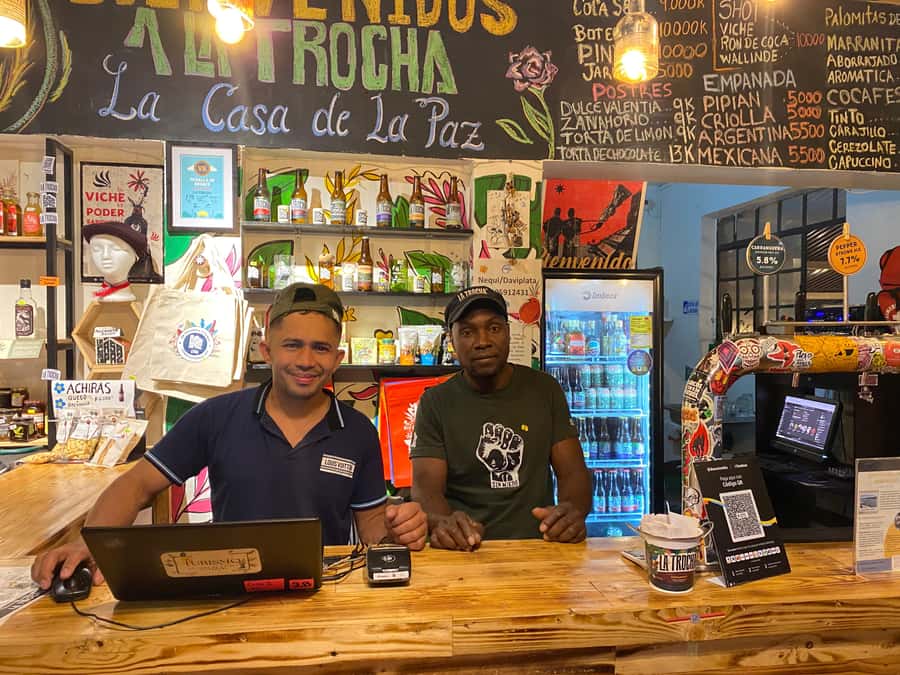
- La Trocha Casa de la Paz: viche tasting and conversations with ex-combatants
- Price and time: is $42 really value for Bogotá?
- Practical tips so the day feels easy, not stressful
- Who this Anti-tour Bogotá fits best
- Should you book Anti-tour Bogotá with chicha and viche?
- FAQ
- How long is the Anti-tour Bogotá?
- How much does it cost?
- What group size is it?
- Is the tour offered in English?
- What food or drink is included?
- Which special places are included?
- Where does the tour start?
- What should I bring?
- Is it possible to cancel or pay later?
Key things to know before you go
- Chicha workshop in Chorro de Quevedo: hands-on making, not a quick tasting
- Manu Chao’s former home in La Candelaria: music, street memory, and Bogotá culture
- Viche tasting at La Trocha Casa de la Paz: an ancestral sugarcane spirit with context
- Stories around Policarpa Salavarrieta (La Pola): independence told through places
- TransMilenio in the mix: local transit as part of the experience
- Small group (max 10): more time for questions and conversation
Booking a few days in the city? These are the Bogotá trips our readers open first.



Anti-tour Bogotá: why this route feels real, not staged
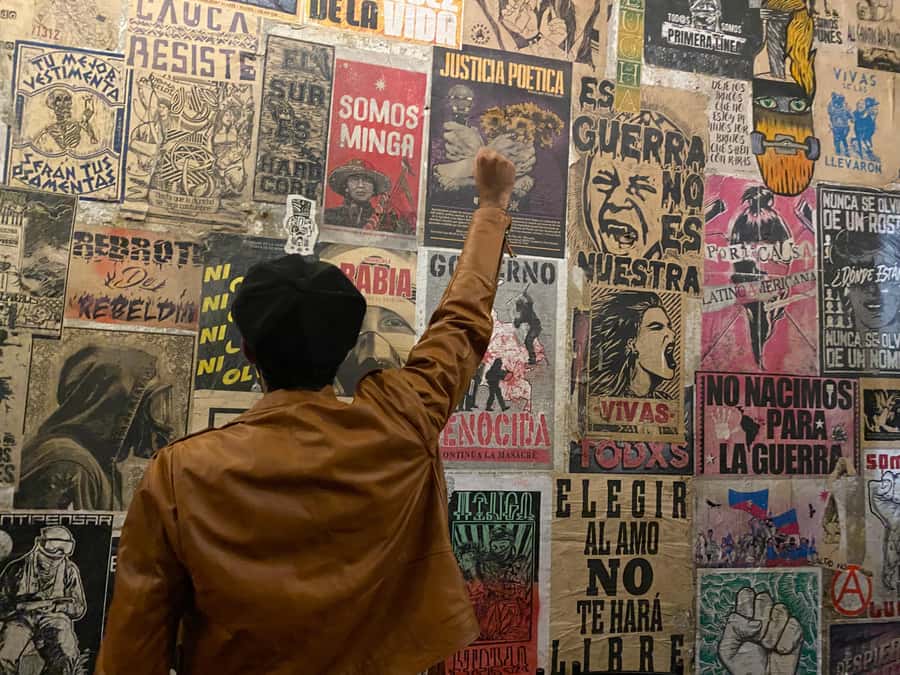
Bogotá has a way of surprising you. Not because it’s unfamiliar, but because it refuses to stay polite. This Anti-tour style route leans into the city’s contradictions: old legends next to everyday life, street art beside political memory, and food that’s tied to Indigenous identity.
What makes it worthwhile is that the tour doesn’t treat culture like a museum display. You’ll get practical moments—making chicha, tasting viche, walking through key historic corners—then you’ll get conversation. The result is a Bogotá that feels lived-in rather than packaged.
You’re also not spending all day in one neighborhood. The mix of plazas, transit, and two very different cultural stops gives you a broader view of the city’s personality in just 4 hours.
La Pola monument: independence through one stubborn heroine
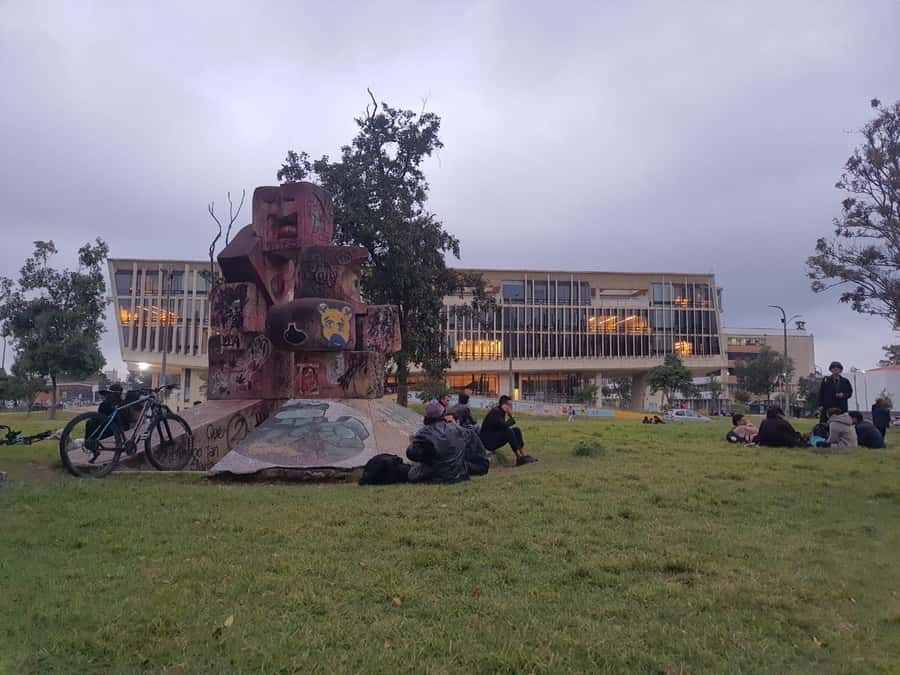
You start with a guided visit to the La Pola – Policarpa Salavarrieta monument. This isn’t the kind of lesson that stays in a textbook. The point here is to connect the name you might have heard in school with the feeling of a city that remembers its fighters.
Policarpa Salavarrieta is described as a revolutionary heroine whose bravery inspired Colombia’s fight for independence. On this tour, that becomes a walking anchor: you’re not just told what she did. You’re shown how those stories live in Bogotá’s public space, where monuments, street names, and local pride keep the past present.
A nice part of this opening is the time scale. The first guided stop is short, about 15 minutes, which helps you get your bearings without losing your energy for what’s ahead.
Chorro de Quevedo and the chicha workshop: make it, taste it, understand it
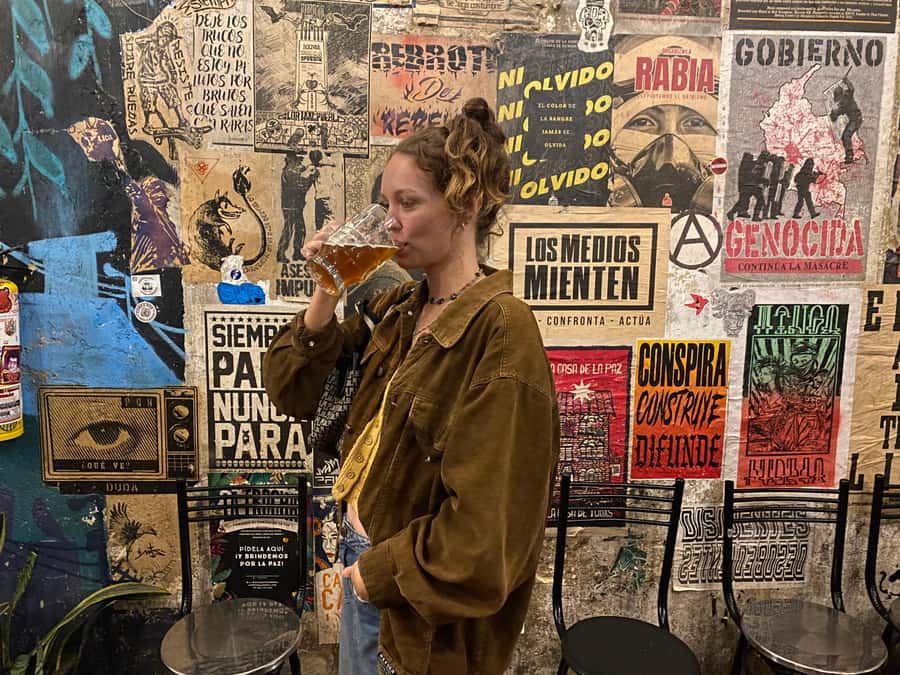
Next you head to Chorro de Quevedo Plaza, where the tour includes both guided explanation and a hands-on chicha workshop (about 1.5 hours). This is one of the strongest reasons to book.
Chicha here isn’t presented as a novelty. It’s framed as a traditional Indigenous corn brew—ancient, social, and tied to identity. When you help make it and then taste it, you understand why people treat it like more than a drink. You also notice how tradition survives in a modern city that changes fast.
The best guides keep the pace easy and the questions welcome. In past groups, guides like Andrés have been praised for being both informative and fun, especially around the workshop itself. That matters because a hands-on activity can go one of two ways: either it’s a quick production line, or it turns into a real learning moment. This format aims for the second.
Plan to keep your water handy and wear shoes you trust. You’ll be standing and moving enough that comfort matters more than you’d think.
TransMilenio and the Gold Museum stop: using local transit like locals
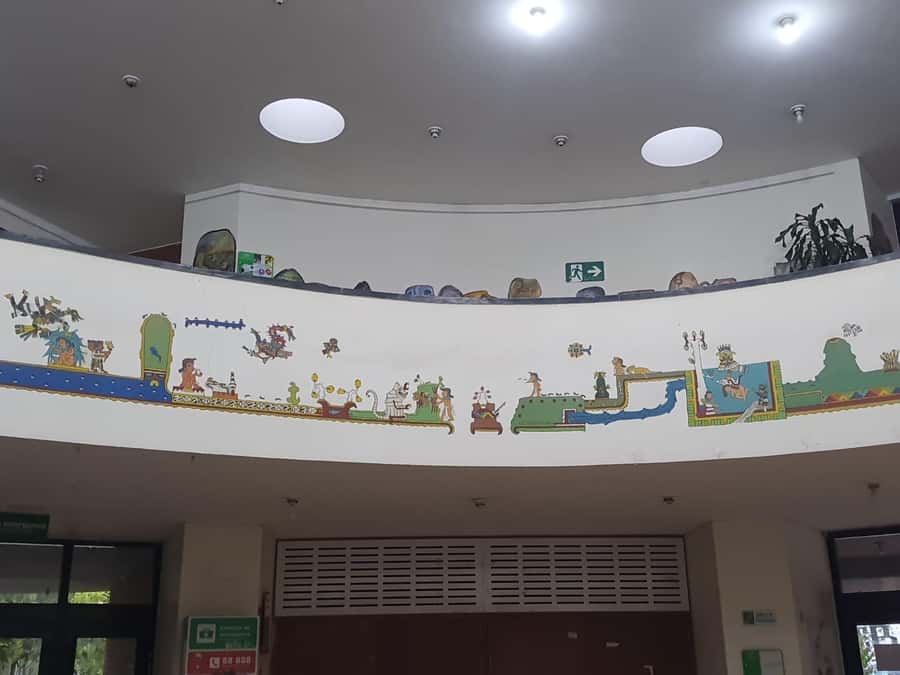
After Chorro de Quevedo, the tour uses Bogotá’s public transport system as part of the story. You’ll take TransMilenio, including a short transit segment, and you’ll stop at the Transmilenio Gold Museum area for a 30-minute guided visit.
Why include transit and a museum-adjacent stop? Because this tour isn’t only about what happened in the past. It’s also about how the city runs today—how people move, how culture gets preserved, and how Bogotá presents itself to itself.
The Gold Museum connection is useful if you want more than street-level storytelling. It gives you a brief window into Colombia’s artistic legacy, which helps you better appreciate why artisans and cultural spaces matter later on in the route.
If you’re the type who hates being rushed on transit, this part may feel a little more structured than the walking plazas. Still, with a total tour length of 4 hours, the schedule is built to keep things moving without turning it into a sprint.
- Bogota: Bicycle City Tour★ 4.9 · 2,156 reviews
- Zipaquirá: Salt Cathedral Group Tour with Pickup★ 4.8 · 1,606 reviews
- Bogotá: Guided La Candelaria Walking Tour★ 4.8 · 1,229 reviews
- Bogotá: Private City Tour, Monserrate, Emerald and Botero★ 4.9 · 798 reviews
La Candelaria for Manu Chao’s former home: music as a map
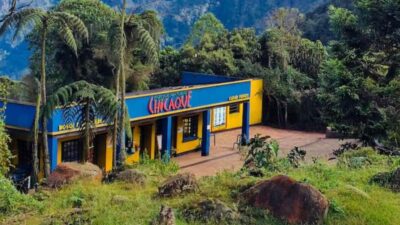
One of the later highlights is in La Candelaria, where you visit a stop tied to Manu Chao—his former home. This isn’t a generic “see the famous wall” moment. It’s framed as how a musician found inspiration in Bogotá’s streets and how that time left a cultural mark.
La Candelaria is the kind of neighborhood where the city’s layers show quickly: political memory, art, and everyday life share the same blocks. Having a guide connect those layers to a known cultural figure helps you read the streets faster. Even if you don’t know the full story of Manu Chao’s connection here, you’ll still get a clearer sense of how Bogotá’s creative scene thinks and speaks.
This portion also benefits from the small group size. With up to 10 people, you’re more likely to hear the details that make a place specific instead of generic.
La Trocha Casa de la Paz: viche tasting and conversations with ex-combatants
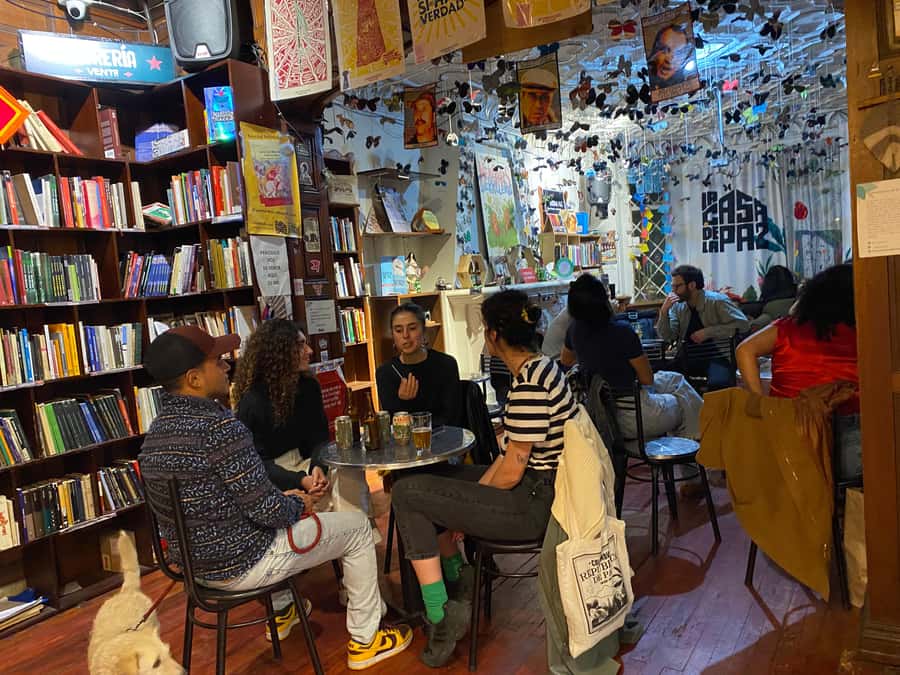
The emotional center of the tour comes at La Trocha, La Casa de la Paz. You’ll visit for about 80 minutes, including time that includes an arts and crafts market stop and the core tasting moment.
Here’s what makes this stop more than a cultural shop stop. The space is run by former FARC combatants who are building peace through projects and community work. That means the experience is grounded in transformation, not performance.
You’ll also taste viche, described as a powerful ancestral sugarcane spirit. Again, this isn’t positioned as a casual drink. You’re given context for what it represents and why it belongs to the story being told inside this peace-focused space.
Past tours have highlighted that guides keep the conversation respectful and informative, and that the environment is treated as safe for messages shared by poets and performers. Even if you’re not a big arts person, this part is worth it because it shows how culture can help people process history and move forward.
If you’re sensitive to discussions about conflict, consider that this is part of the point. The tour wants you to understand resilience as something people live with, not something that stays in the abstract.
Price and time: is $42 really value for Bogotá?
At $42 per person for about 4 hours, the value is strong on paper and in practice—because you’re getting multiple “pay separately” moments in one format.
You’re not only walking around for views. The tour includes:
- a hands-on chicha workshop
- viche tasting
- entrance to Manu Chao House
- guided visits to key historic sites
That’s before you count the cost of time spent teaching you the meaning behind what you’re seeing. The small group (max 10) also matters. In larger groups, tastings and Q&A become rushed. Here, there’s usually more room to ask what the story means, not just where the photo is.
One thing to keep in mind: this tour is English language, which can be a big advantage in Bogotá. If you’re comfortable in English and want a guide who can explain culture and politics clearly, this format is built for you.
Practical tips so the day feels easy, not stressful
You’ll be on your feet and walking between stops, so pack like it’s a real neighborhood day.
Bring:
- comfortable shoes
- hat
- sunscreen
- water
- camera
If you’re planning to taste both chicha and viche, take your pace seriously. Eat lightly beforehand and listen to your body during the workshop and tastings.
Also, dress for Bogotá weather swings. Even when the sun looks friendly, conditions can change fast. A hat and sunscreen are not optional accessories here.
The tour is guided in English, and it’s designed for a small group, so you’ll likely get more direct interaction than on big-bus styles.
Who this Anti-tour Bogotá fits best
This is a great match if you want Bogotá with a point of view. You’ll enjoy it if you like:
- food tied to identity (not just quick bites)
- history that connects to daily life
- conversations about peace, resistance, and change
- a route that uses local transit and walkable streets
It’s also a good choice if you’re the kind of traveler who likes meeting the people behind the places. The La Trocha focus on ex-combatants shaping peace makes the experience personal in a way standard sightseeing can’t.
If you only want postcard sights and zero political weight, this route may feel too serious. But if you’re curious about the city’s full emotional range, that seriousness is exactly what gives the tour its power.
Should you book Anti-tour Bogotá with chicha and viche?
Book it if you want a Bogotá tour that feels human: workshops, tastings, and guided stops tied to real stories of independence and peace-building. The combination of hands-on chicha, a Manu Chao stop in La Candelaria, and the La Trocha Casa de la Paz visit gives you more than one side of the city in 4 hours.
Skip it if you’re chasing only the most famous sights with a light, neutral tone. Also, if alcohol tastings won’t work for you, think carefully about viche and how you’d like to handle that part of the day.
FAQ
How long is the Anti-tour Bogotá?
It lasts 4 hours.
How much does it cost?
The price is listed as $42 per person.
What group size is it?
It’s a small group limited to 10 participants.
Is the tour offered in English?
Yes, the tour guide is English-speaking.
What food or drink is included?
You get a hands-on chicha workshop (including tasting) and a viche tasting.
Which special places are included?
You’ll visit historical sites, attend the chicha workshop, and include entrance to Manu Chao House. You’ll also visit La Trocha, La Casa de la Paz.
Where does the tour start?
It starts at Parque de los Periodistas Gabriel García Márquez, meeting in front of the sign of Bogotá.
What should I bring?
Bring comfortable shoes, a hat, a camera, sunscreen, and water.
Is it possible to cancel or pay later?
The activity notes free cancellation up to 24 hours in advance and a reserve now & pay later option.
More Tours in Bogota
- Bogota: Bicycle City Tour
★ 4.9 · 2,156 reviews - Zipaquirá: Salt Cathedral Group Tour with Pickup
★ 4.8 · 1,606 reviews - Bogotá: Guided La Candelaria Walking Tour
★ 4.8 · 1,229 reviews - Bogotá: Private City Tour, Monserrate, Emerald and Botero
★ 4.9 · 798 reviews - Bogotá´s Barrios: El Paraíso Favela Tour with Cable Car
★ 4.8 · 731 reviews - Bogota: Guatavita and Salt Cathedral Daily Group Tour
★ 4.7 · 615 reviews
More Tour Reviews in Bogota
- Bogota: Bicycle City Tour
★ 4.9 · 2,156 reviews - Zipaquirá: Salt Cathedral Group Tour with Pickup
★ 4.8 · 1,606 reviews - Bogotá: Guided La Candelaria Walking Tour
★ 4.8 · 1,229 reviews - Bogotá: Private City Tour, Monserrate, Emerald and Botero
★ 4.9 · 798 reviews - Bogotá´s Barrios: El Paraíso Favela Tour with Cable Car
★ 4.8 · 731 reviews - Bogota: Guatavita and Salt Cathedral Daily Group Tour
★ 4.7 · 615 reviews
Fresh off the review pile: more Bogotá tours to weigh up

Tours, compared.
 ★ 4.9Bicycle City TourFrom $192,156 reviews
 ★ 4.8Zipaquirá: Salt Cathedral Group Tour with PickupFrom $461,606 reviews
 ★ 4.8Guided La Candelaria Walking TourFrom $161,229 reviews
 ★ 4.9Private City Tour, Monserrate, Emerald and BoteroFrom $65798 reviews
 ★ 4.8Bogotá´s Barrios: El Paraíso Favela Tour with Cable CarFrom $78731 reviews
 ★ 4.7Guatavita and Salt Cathedral Daily Group TourFrom $91615 reviews
 ★ 4.9Bogotá City Tour with Monserrate, Gold and Botero MuseumsFrom $65584 reviews
 ★ 4.8Zipaquirá Salt Cathedral and Lake Guatavita Day TourFrom $61551 reviews