
Reviewed · MONSERRATE & GUADALUPE PEAKS
Bogotá: Grand City Tour with Monserrate, Usaquén and Lunch
Bogotá gets extra dramatic when you ride up to Monserrate. This full-day Grand City Tour combines a cable car climb to a 3,150-meter pilgrimage site, a walk through La Candelaria’s cobblestones, and museum time in the historic center. It’s built for first-timers who want the big highlights without juggling tickets and directions.
I especially love the panoramic views from Monserrate plus the way the day ties together different eras of the city. Guides I’ve seen leading this tour—like Gigio, Raul, and Daniel—tend to bring strong local context, not just a checklist, and they keep the energy moving. A second standout for me is the museum pairing: the Gold Museum’s indigenous gold artifacts followed by the Museo Botero stop in the same walking zone.
The main drawback to plan around is time pressure: it’s an 8-hour loop with lots of stops, and if you hit tight schedules you may get less wiggle room in one museum. Also, the Gold Museum is closed on Mondays and the Botero Museum is closed on Tuesdays, so the lineup can shift depending on the day.
In This Review
- Key highlights worth centering your day on
- First Stop: Riding the Cable Car Up to Monserrate
- La Candelaria and Chorro de Quevedo: Cobblestones, Old Streets, and Easy Walking
- Gold Museum and Botero Museum: Two Contrasts in One Historic Zone
- Museo del Oro (Gold Museum)
- Museo Botero (Botero Museum)
- A timing reality check
- Architecture and City Design: Universidad de los Andes and Eje Ambiental
- Plaza de Bolívar and the Primatial Cathedral: Where Bogotá Runs on Power
- The North-Side Drive: International Centre, La Macarena, and National Park Views
- Ending in Usaquén: Narrow Streets, Architecture, and a Market Vibe
- Lunch Included: A Small but Real Value Boost
- Price and logistics: What you’re paying for at $251 per person
- Who this tour suits best (and who should plan something else)
- Should you book the Bogotá Grand City Tour with Monserrate, Usaquén, and Lunch?
- FAQ
- How long is the Bogotá Grand City Tour?
- What is the price per person?
- What’s included in the tour price?
- Is lunch included?
- Which attractions are visited during the tour?
- Are there any museum closures that affect the itinerary?
- What languages are available for the guide?
- Do I need to bring an ID?
- Is VAT included in the price?
- Is free cancellation available?
Key highlights worth centering your day on
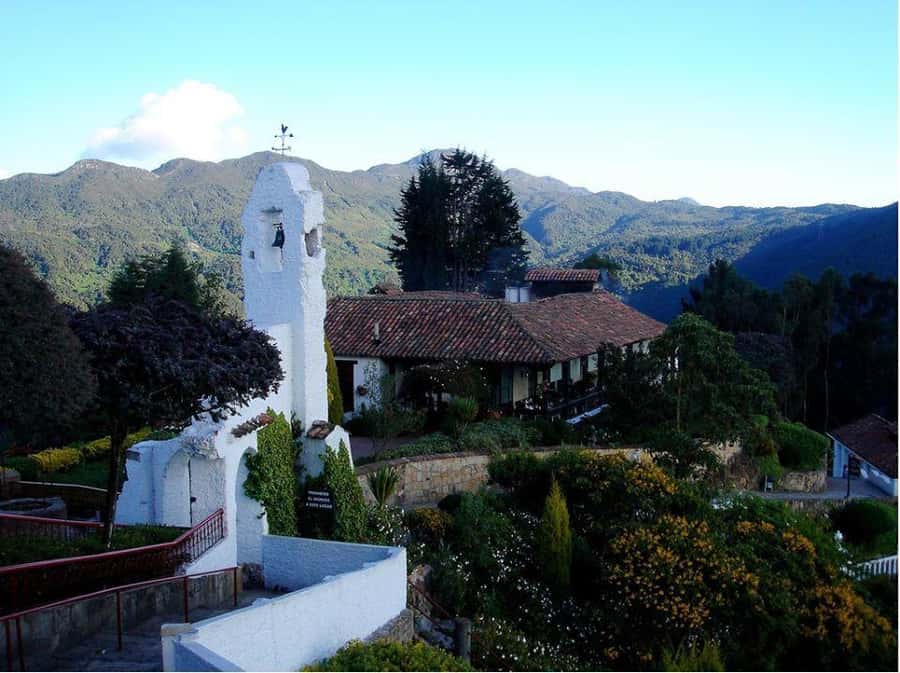
- Monserrate by cable car: climb to the sanctuary for big views over Bogotá.
- La Candelaria on foot: cobblestone streets with centuries of street-level character.
- Two must-see museums: Museo del Oro and Museo Botero in the same historic area.
- Urban-planning and architecture moments: Eje Ambiental, Rogelio Salmona projects, and the Universidad de los Andes campus atmosphere.
- Real neighborhood feel in Usaquén: narrow streets and weekend-style market vibes.
- Lunch included + attraction tickets handled: hotel pickup, guide, cable car ticket, and entry tickets are part of the package.
Made the climb up Monserrate? Here is what pairs well with the two hills

First Stop: Riding the Cable Car Up to Monserrate
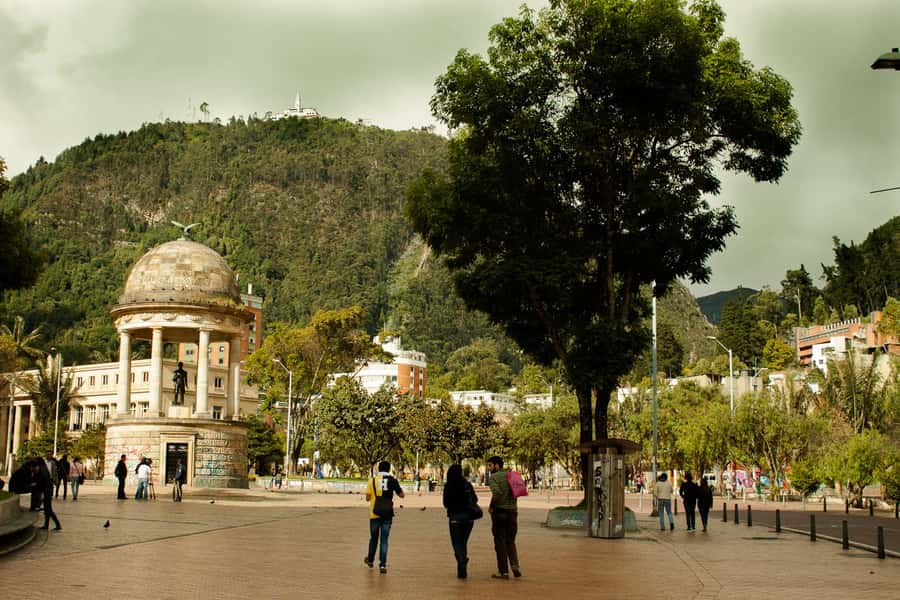
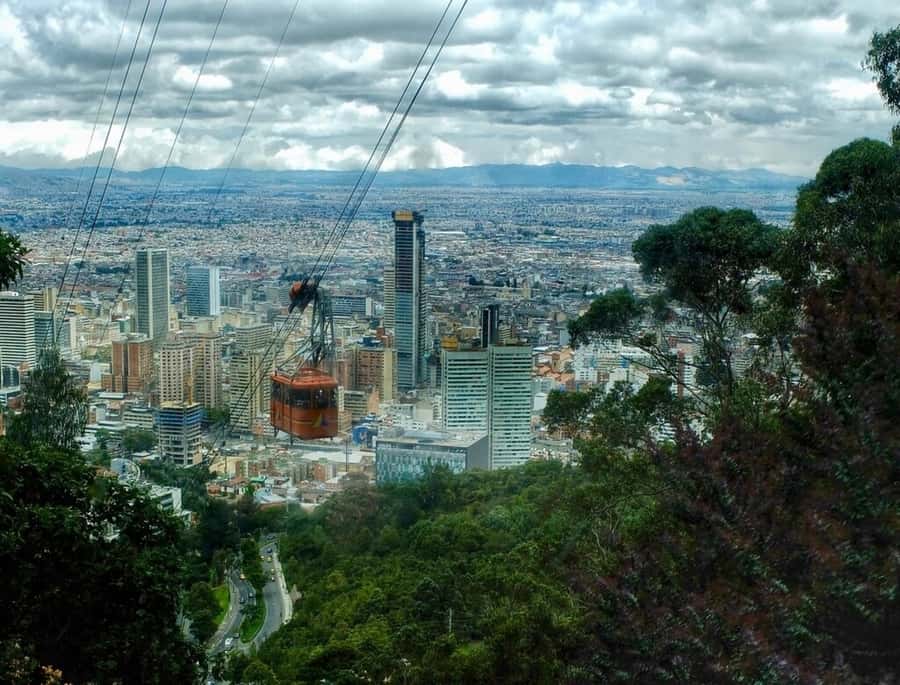
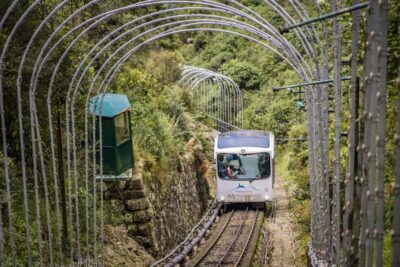
Monserrate sits high on Bogotá’s eastern hills at 3,150 meters above sea level, and that altitude changes the feel of the day. You start by heading to the sanctuary area, and the real payoff is the ride up by cable car—fast, simple, and far less stressful than sorting transportation on your own.
At the top, you’re stepping into one of the city’s most recognizable pilgrimage spots. Even if you’re not there for religious reasons, it’s a strong viewpoint: the elevated setting gives you a clean sense of how Bogotá stretches out and how the neighborhoods layer over the geography. Plan to take it slow at first once you’re up there, and keep an eye on weather. You’ll want a jacket and rain gear in your day bag; conditions can change.
This is also where a good guide makes a difference. Strong guides don’t just say what you’re seeing—they connect the site to how the city thinks about altitude, tradition, and daily life. Guides like Gigio are known for sharing stories beyond the main stops, which helps Monserrate feel less like a photo op and more like a meaningful first chapter.
La Candelaria and Chorro de Quevedo: Cobblestones, Old Streets, and Easy Walking
After Monserrate, the day shifts into a more human pace: walking in the historic center, especially around La Candelaria. This is the area you come for if you want Bogotá to look and feel old—cobblestone streets, tight corners, and that lived-in sense of time stacking up.
You’ll spend time strolling through La Candelaria with enough guidance to help you place what you’re seeing. The route also includes Chorro de Quevedo, which is a nice way to get contrast: you’re in the historic core, but the atmosphere isn’t frozen. It feels like a neighborhood that still has energy.
This part of the tour is smart for your schedule. Instead of trying to hit every museum on your own, the itinerary keeps you in one walkable zone for the cultural hits. That reduces transit time and helps you avoid the common first-timer problem: spending half the day moving around instead of actually looking at things.
Gold Museum and Botero Museum: Two Contrasts in One Historic Zone
If you only do one cultural double-feature in Bogotá, this is a strong one: Museo del Oro and the Museo Botero.
Museo del Oro (Gold Museum)
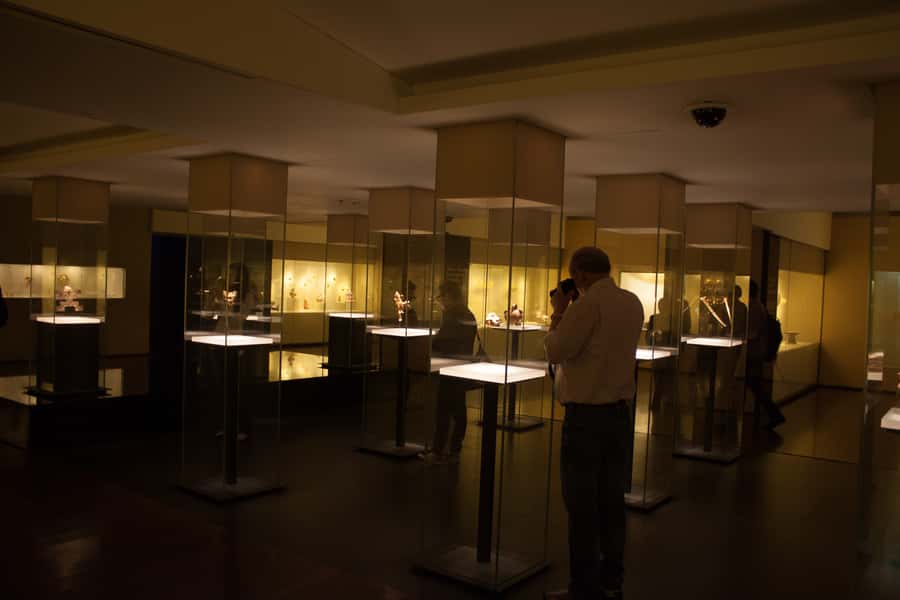
The Gold Museum stop is built around indigenous gold artifacts, shown in a way that helps you understand what the pieces meant, not just that they’re shiny. It’s reached as part of the city route that passes the San Francisco River area and connects over toward Jimenez Avenue, so you’re also seeing the city geography while you’re learning.
One practical note: the Gold Museum is closed on Mondays. If your day falls on Monday, the tour swaps to another museum based on the group’s interests, so you’ll still keep the culture momentum rather than losing the stop entirely.
Short on hours? More express and layover city tours built for a tight clock
- 3-in-1 Panoramic city tour Bogotá-beyond the traditional★ 4.4 · 248 reviews
- 7-hour City Tour of Historic Bogotá with Monserrate★ 4.7 · 47 reviews
- Bogotá Full Day City Tour. (8 Hrs.)★ 5.0 · 45 reviews
- VIP Layover Bogota City Tour: Monserrate, Candelaria, Coffee, 6hr★ 5.0 · 45 reviews
Museo Botero (Botero Museum)
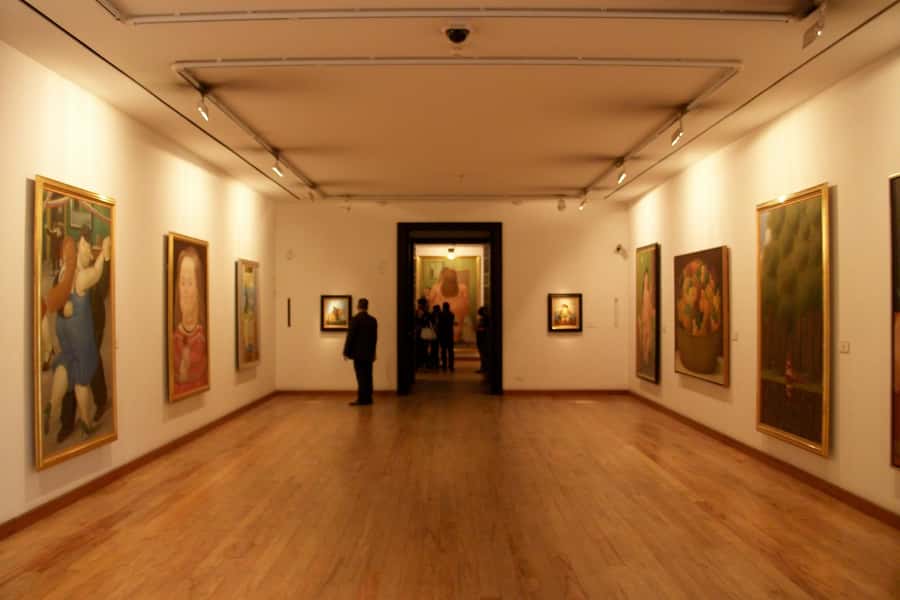
Then comes the humor and odd charm of Fernando Botero. You’re looking at art that’s instantly recognizable—figures with exaggerated proportions—and the museum stop sits right in the broader La Candelaria area. It’s a great balance after the Gold Museum, because the emotional tone shifts from historical artifact to modern, playful artistic expression.
Another practical note: the Botero Museum is closed on Tuesdays. Same idea as above—the tour adjusts by swapping to another museum according to what the group wants most.
A timing reality check
This tour is designed to cover a lot in one day, so museum time can be a bit tight when the schedule is running behind. If you care most about spending extra time inside one museum, bring a calm attitude and let your guide know your priority early. You’ll get more satisfaction from the stop you want most.
Architecture and City Design: Universidad de los Andes and Eje Ambiental
One thing I like about this tour is that it doesn’t only do sightseeing. It includes Bogotá’s brain and scaffolding: how the city grew and how planners tried to shape public life.
You’ll also experience the student atmosphere around the campus of Universidad de los Andes. This matters because it shows Bogotá as a living city, not only a museum. Even if you’re only briefly on site, you get a sense of the everyday rhythm—movement, energy, and a different crowd than the historic center.
Then you’ll follow the Eje Ambiental, tied to how the city developed along the river that helped give it life. This is where the tour highlights one of Latin America’s famous urban projects designed by architect Rogelio Salmona. It’s a good stop for travelers who like more than landmarks. You get to see how public spaces, water, and design choices can influence how people use a city.
It also gives you a breather before the more intense historic-center walking. In a day this packed, that pacing is a plus.
Plaza de Bolívar and the Primatial Cathedral: Where Bogotá Runs on Power
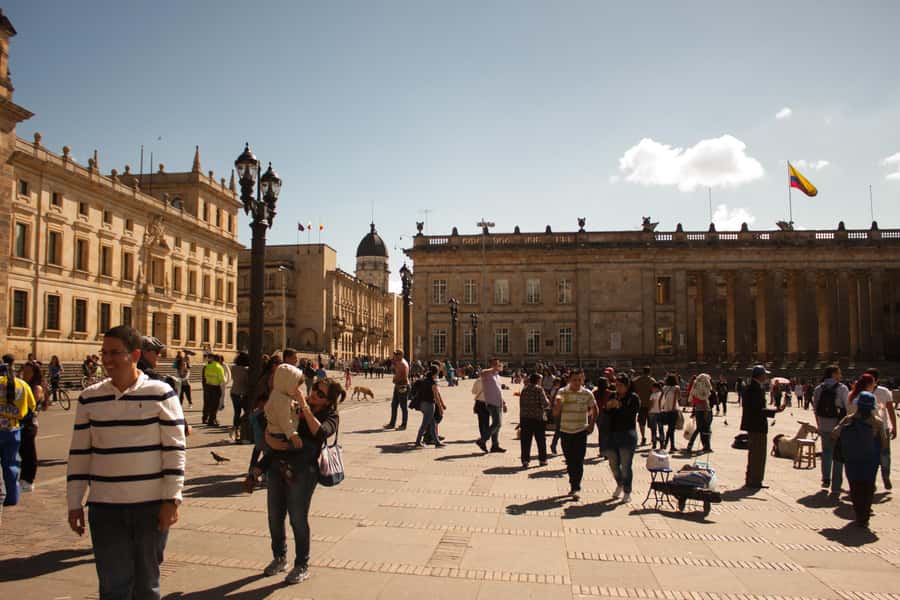
Lunch may be your reset button, but after that you hit Bogotá’s historic epicenter: Plaza de Bolívar. This is the classic administrative core, and it’s where you can easily understand how the city’s official identity formed.
You’ll see major government buildings from the square and then step inside the Primatial Cathedral. That stop is valuable because it’s not just an outside photo. You get a feel for the scale and ceremonial role of the space.
This is also the part of the day where your guide helps you connect architecture to politics and religion—how the city organizes itself around symbols. If you like learning why places matter, this is a strong payoff.
The North-Side Drive: International Centre, La Macarena, and National Park Views
After the center stops, the tour turns into a panoramic ride toward the north. You’ll get driving views of the International Centre, plus the La Macarena neighborhood and National Park.
This driving segment is smart because it widens your sense of Bogotá. Up to this point, you’ve been in dense, walk-heavy areas and museums. The north-side drive gives your brain a bigger-picture view of how the city spreads out and how modern development sits alongside older patterns.
On a day with this much walking and museum time, panoramas from the vehicle are also practical. You’re still seeing a lot, but you’re resting your feet.
Ending in Usaquén: Narrow Streets, Architecture, and a Market Vibe
The day wraps up in Usaquén, a neighborhood known for narrow streets and a cozy feel. It’s a different texture than La Candelaria: less colonial spectacle, more neighborhood-life pace.
Usaquén is also known for its market atmosphere on weekends. The itinerary calls out this aspect, which means the closing hours can feel like you’re stepping into daily Bogotá rather than leaving right at the main monuments.
If you want to shop lightly or just soak up street scenes, this is the right kind of ending. It’s also a good place to grab a final snack afterward if lunch wasn’t enough. (Lunch is included, but the tour doesn’t list every extra beverage detail—so plan to buy your own if you want something specific.)
Lunch Included: A Small but Real Value Boost
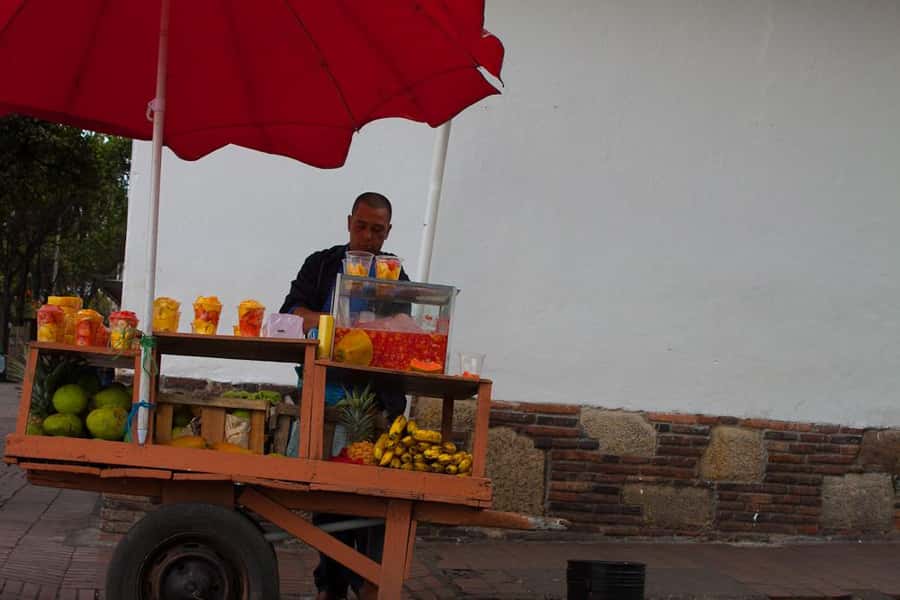
Lunch is included at a local restaurant. That’s not just a comfort perk—it’s a value move. When you’re paying for a guided day, a built-in meal prevents the common problem of hunting down a decent spot while you’re on a schedule.
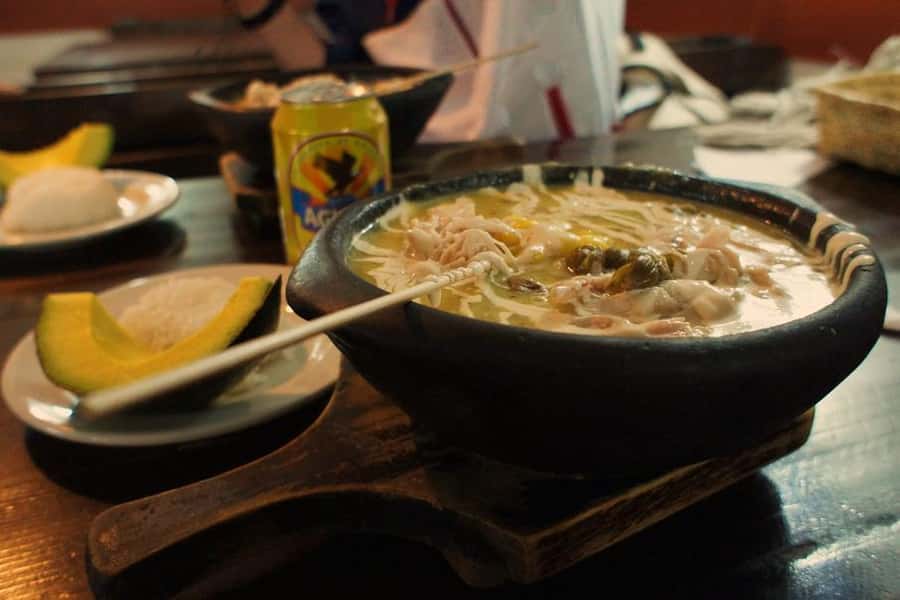
Food in Bogotá is part of why the city feels welcoming. The included lunch helps you experience local flavors without turning your day into a hunt.
Price and logistics: What you’re paying for at $251 per person
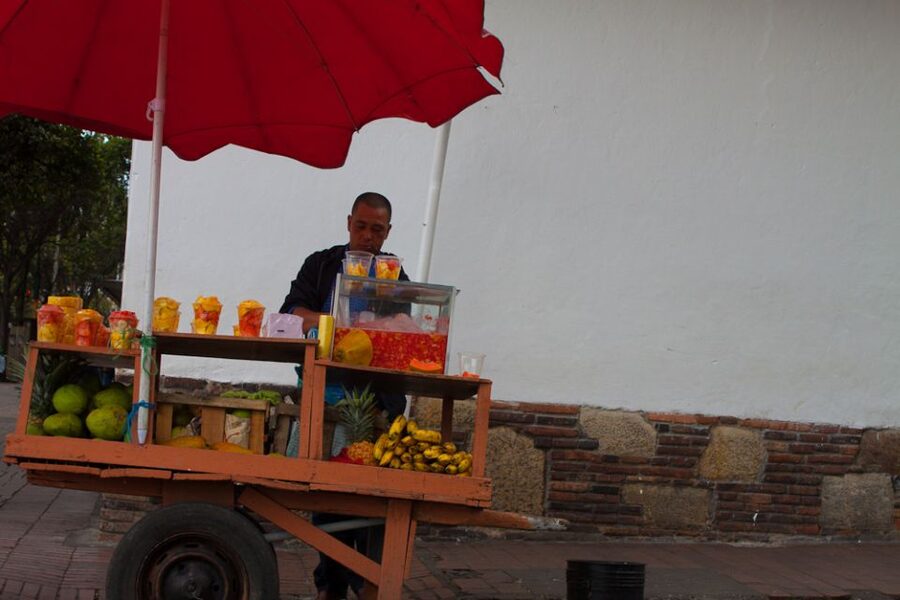
At $251 per person for an 8-hour day, the price can look steep until you break down what’s handled for you.
You’re getting:
- Hotel pickup and drop-off by private transportation
- A live guide in Spanish or English
- Cable car ticket (Monserrate)
- Lunch at a local restaurant
- Tickets to the attractions on the plan
- Skip-the-ticket-line support
That’s a lot of friction removed, especially if it’s your first time in Bogotá. Add the fact that the tour has to coordinate Monserrate timing, museum hours, and walking zones, and the “bundle” starts making sense.
Two cost cautions:
- The price you paid does not include 19% VAT. For foreigners entering as tourists, there’s a process that uses your passport copy and photo of the entry stamp as proof for VAT benefit.
- Museum closures can change which museum you see on your specific day. The Gold Museum and Botero Museum have weekday closures, so your exact museum pair can shift.
If you’re trying to maximize value, this is best when you’re likely to otherwise pay individually for transport, entrances, and a guide.
Who this tour suits best (and who should plan something else)
This works best if you:
- Want a first-time overview of Bogotá’s top areas in one day
- Prefer having someone coordinate the flow between neighborhoods
- Care about both history and design, not only viewpoints and photos
- Like the idea of a museum duo day without doing it solo
You might consider a different plan if you:
- Hate tight schedules and want long, slow museum browsing
- Are visiting on Monday or Tuesday and you have a strong must-see museum only—since closures can swap the lineup
- Want deep diving into only one theme (for example, only art or only history). This tour spreads your time across multiple themes.
Should you book the Bogotá Grand City Tour with Monserrate, Usaquén, and Lunch?
I’d book it if you want a high-yield day that feels organized but still moves through real neighborhoods. Monserrate gives you the dramatic start, La Candelaria delivers the historic street vibe, and the Gold + Botero combo keeps the cultural tone varied. Add pickup, tickets, and lunch, and you’re basically buying peace of mind as much as sightseeing.
I’d also book it if you’re picky about comfort: the itinerary is designed to reduce your “where do I go next?” stress. Just go into it knowing it’s an 8-hour circuit. If you protect your priorities early—views, one museum you care about most, and the neighborhood walk—you’ll get a satisfying day.
If you can, plan your day so it isn’t Monday (for Gold Museum) or Tuesday (for Botero Museum), unless you’re happy with a museum swap. And pack well for changing conditions: comfortable shoes, jacket, and rain gear.
FAQ
How long is the Bogotá Grand City Tour?
The tour duration is listed as 8 hours.
What is the price per person?
The price is $251 per person.
What’s included in the tour price?
Hotel pickup and drop-off by private transportation, a live guide in Spanish or English, the Monserrate cable car ticket, lunch at a local restaurant, and tickets to the visited attractions.
Is lunch included?
Yes. Lunch is included at a local restaurant.
Which attractions are visited during the tour?
The tour includes Monserrate Sanctuary, Usaquén, La Candelaria (including stops around the historic center), the Gold Museum, the Botero Museum, Plaza de Bolívar (and the Primatial Cathedral), plus a panoramic drive toward the north that includes the International Centre, La Macarena, and National Park.
Are there any museum closures that affect the itinerary?
Yes. The Gold Museum is closed on Mondays, and the Botero Museum is closed on Tuesdays. On those days, the tour visits another museum based on the group’s interests.
What languages are available for the guide?
The guide is available in Spanish or English.
Do I need to bring an ID?
Yes. The tour requests that you bring a passport or ID card (a copy is accepted).
Is VAT included in the price?
No. The price paid does not include 19% VAT. The VAT benefit for foreigners entering as tourists depends on providing proof using a copy of your passport and a photo of your entry stamp.
Is free cancellation available?
Yes. You can cancel up to 24 hours in advance for a full refund.
More Tour Reviews in Bogota
- Bogota: Bicycle City Tour
★ 4.9 · 2,156 reviews - Zipaquirá: Salt Cathedral Group Tour with Pickup
★ 4.8 · 1,606 reviews - Bogotá: Guided La Candelaria Walking Tour
★ 4.8 · 1,229 reviews - Bogotá: Private City Tour, Monserrate, Emerald and Botero
★ 4.9 · 798 reviews - Bogotá´s Barrios: El Paraíso Favela Tour with Cable Car
★ 4.8 · 731 reviews - Bogota: Guatavita and Salt Cathedral Daily Group Tour
★ 4.7 · 615 reviews
More Express & Layover City Tours
- 3-in-1 Panoramic city tour Bogotá-beyond the traditional
★ 4.4 · 248 reviews - 7-hour City Tour of Historic Bogotá with Monserrate
★ 4.7 · 47 reviews - Bogotá Full Day City Tour. (8 Hrs.)
★ 5.0 · 45 reviews - VIP Layover Bogota City Tour: Monserrate, Candelaria, Coffee, 6hr
★ 5.0 · 45 reviews - Layover Bogotá Private Tour + Transfer in & Out (4 Hrs.)
★ 5.0 · 40 reviews - Monserrate Skip-the-line Access Private Express Tour (3 Hrs.)
★ 5.0 · 36 reviews
More Monserrate & Guadalupe Trips
- Bogotá: Private City Tour, Monserrate, Emerald and Botero
★ 4.9 · 798 reviews - Bogotá City Tour with Monserrate, Gold and Botero Museums
★ 4.9 · 584 reviews - Bogota: Monserrate Entry Ticket
★ 4.4 · 233 reviews - Bogotá: City Tour, Monserrate, Gold Museum, Plaza de Bolivar
★ 4.7 · 168 reviews - BOGOTA: City Tour, Monserrate, Gold Museum, Botero Museum, Plaza Bolívar
★ 4.8 · 146 reviews - Monserrate Tour in Bogotá Including Tickets
★ 4.5 · 82 reviews
Fresh off the review pile: more Bogotá tours to weigh up


Monserrate & Guadalupe Peaks, compared.
 ★ 4.9Private City Tour, Monserrate, Emerald and BoteroFrom $65798 reviews
 ★ 4.9Bogotá City Tour with Monserrate, Gold and Botero MuseumsFrom $65584 reviews
 ★ 4.4Monserrate Entry TicketFrom $16233 reviews
 ★ 4.7City Tour, Monserrate, Gold Museum, Plaza de BolivarFrom $88168 reviews
 ★ 4.8BOGOTA: City Tour, Monserrate, Gold Museum, Botero Museum, Plaza BolívarFrom $81146 reviews
 ★ 4.5Monserrate Tour in Bogotá Including TicketsFrom $2882 reviews
 ★ 5.0VIP Bogota City Tour: Farmers Market, Monserrate, Candelaria, 9hrFrom $4966 reviews
 ★ 4.77-hour City Tour of Historic Bogotá with MonserrateFrom $11847 reviews
Browse the lists this tour appears in