
Reviewed · CITY TOURS
Cable car to el Paraiso, the city slum
Bogotá changes fast when you leave the postcard routes. This small-group tour to El Paraiso combines the thrill of the TransMiCable cable car with an in-the-neighborhood look at daily life and street art in one of Bogotá’s hills. I especially like the way you’re not just riding up for a view; you’re walking afterward with a guide who helps you understand why this neighborhood looks the way it does. The other standout for me is the focus on community—seeing the art and hearing how local projects connect to real residents.
One thing to think about: the experience depends on good weather. If it’s rainy or conditions are off, the views you came for can be cloudy, and the operator may swap dates or refund.
In This Review
- Key highlights at a glance
- Why El Paraiso and the cable car are the real Bogotá combo
- Meeting point and getting there like a local
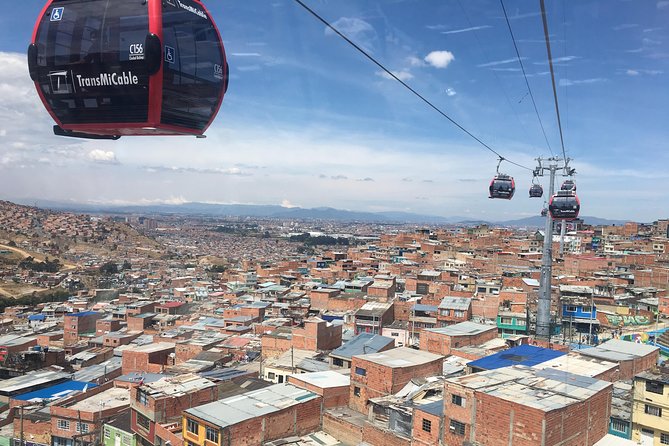
- TransMiCable Tunal: the 15-minute ride with the best payoff
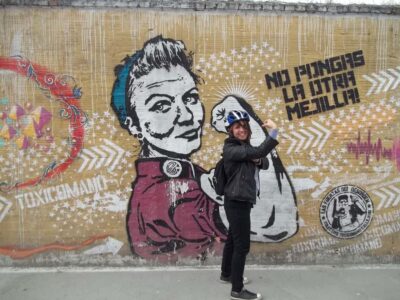
- Walking El Paraiso: street art you can read, not just photograph
- Ciudad Bolivar context: seeing the bigger picture while you walk
- Snacks included: simple food that makes the day feel human
- Personal attention from a small group (and what that changes)
- Safety and comfort: how to make this a smooth day
- Price and value: what $67 buys you in real terms
- Practical tips for photos, timing, and weather
- Who should book this tour, and who might skip it
- Should you book this El Paraiso cable car tour?
- FAQ
- FAQ
- What time does the tour start?
- Where do I meet the guide?
- Is the cable car ticket included?
- How big is the group?
- What happens if the weather is bad?
- Can I cancel and get a refund?
- Are service animals allowed?
Key highlights at a glance
- TransMiCable Tunal station cable car ride included with a 15-minute uphill hop
- El Paraiso street art walk with context, not just photos
- Small group cap (15 travelers) for a more personal pace
- Resident perspectives built into the neighborhood portion of the tour
- Snacks included, including options like empanadas and traditional juices
- Hilltop viewpoint in Bogotá that many first-timers miss
More Bogotá city tours we point first-timers toward



Why El Paraiso and the cable car are the real Bogotá combo
If you only stick to Centro Histórico or La Candelaria, you’ll miss a big part of Bogotá’s story: the hills where ordinary people live, build, and keep going. El Paraiso is one of those places. It’s known for its street art and for the energy of community life. But it’s also a working neighborhood with real routines, shops, and streets that don’t exist to entertain you.
That’s why the order matters. You start with the cable car, not a long lecture. The ride gives you immediate geography—how Bogotá stacks up on hills and valleys. Then you land in the neighborhood and see the art and the people’s efforts in context.
Meeting point and getting there like a local
The tour meets at El Empanadazo de lla 39Dg. 40a #14-03, Teusaquillo, Bogotá with a 9:00 am start. It ends back at the same meeting point, which makes your planning easier.
From there, you’ll connect to the cable car area using nearby public transportation. One detail I really like is that this part isn’t treated like a chore. It’s also when your guide sets you up—what you’re going to see, how to read the streets, and what to notice once you’re at the top.
Practical tip: arrive a few minutes early. Bogotá mornings can move quickly, and you’ll want a calm moment to meet your guide and settle in before heading off.
TransMiCable Tunal: the 15-minute ride with the best payoff
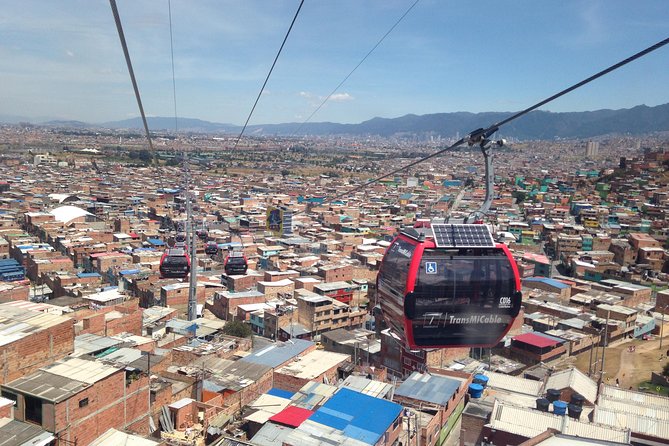
The first stop is TransMiCable Tunal Station, and you’ll ride the modern cable car system up to the highest point of the hill. The ticket is included, and the ride clocks in at about 15 minutes.
Here’s what you should expect, and why it’s worth doing even if you’ve ridden a cable car before:
- You get a high-angle view that helps you understand Bogotá’s layout fast.
- You see the hills and neighborhoods as more than dots on a map.
- It’s a simple way to reach elevation without turning the day into a hike.
If you’re the type who’s always chasing the best view, you’ll probably compare it to Monserrate—because people often do—but the point here isn’t just the scenery. It’s the way the cable car gets you there with less friction, so you have more time to actually walk and talk in El Paraiso.
Walking El Paraiso: street art you can read, not just photograph
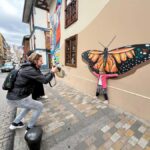
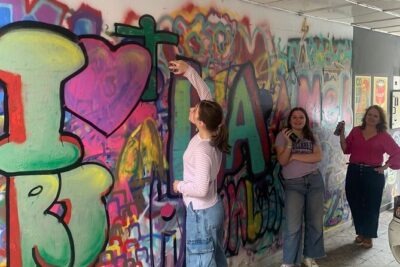
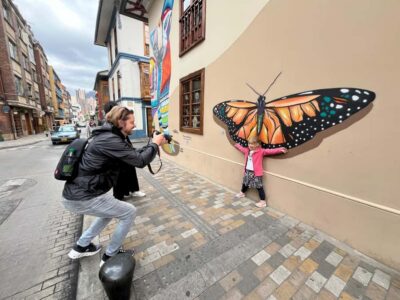
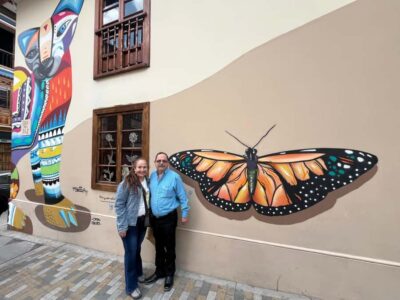
Once you’re up, you’ll spend time walking around El Paraiso, including time to see its famous street art. This is where the tour shifts from fun to meaningful.
The best part is the explanation you get as you walk. Instead of treating graffiti like decoration, your guide helps you connect it to:
- local identity,
- community projects,
- and the reasons residents have turned walls into public storytelling.
In the neighborhood portion, you may also meet a resident guide who lives in the area. Names you might encounter include Andrea, who has been described as very involved with explaining graffiti culture and local initiatives, and Brian, who has been mentioned as a friendly guide at the top of the cable car. (Different days can bring different guiding teams, but the goal stays the same: a real inside perspective.)
Photo tip: street art looks great from a distance, but it also rewards close-up viewing. Take your time with corners and repeating patterns, then step back for wide shots of the hilltop angle.
- Bogota: Bicycle City Tour★ 4.9 · 2,156 reviews
- Zipaquirá: Salt Cathedral Group Tour with Pickup★ 4.8 · 1,606 reviews
- Bogotá: Guided La Candelaria Walking Tour★ 4.8 · 1,229 reviews
- Bogotá: Private City Tour, Monserrate, Emerald and Botero★ 4.9 · 798 reviews
Ciudad Bolivar context: seeing the bigger picture while you walk
El Paraiso sits within the broader story of Ciudad Bolivar, and the tour’s framing helps you understand why this area matters in Bogotá’s overall mix. You’ll hear how communities on the hills have been working to improve residents’ lives, and you’ll get a sense of the neighborhood’s pace—children playing, shops serving customers, and streets that feel alive because they’re actually used.
This matters because it stops the trip from becoming a one-note “slum tour.” Yes, you’re going to see challenging realities, but you’re also going to see effort, creativity, and collaboration. It’s a more honest way to understand Bogotá than only viewing it through museums and viewpoints.
Snacks included: simple food that makes the day feel human
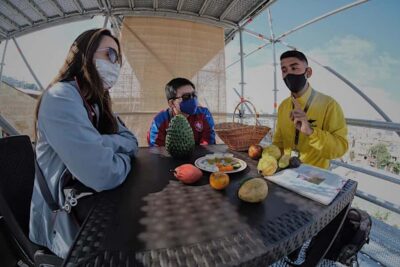
This tour includes snacks. People have mentioned treats like empanadas and traditional juices, which is a solid mix for a mid-morning outing. It’s not a heavy lunch, so treat it as a “keep you going” moment while the conversation keeps moving.
What I like about including snacks is that it removes the awkward part of figuring out what to eat on the fly in a neighborhood you don’t know. You can focus on the streets and the explanations instead of scanning menus with zero time.
Food tip: if you have dietary restrictions, you should ask before booking. The tour data confirms snacks are included, but it doesn’t list specific options for every diet.
Personal attention from a small group (and what that changes)
Even with small-group travel, it’s still possible to feel rushed. Here, the group size cap is 15 travelers, and the experience is positioned as private so you get more direct attention from your guide.
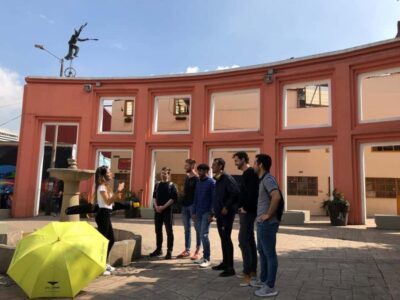
That matters when you’re in a place where details count. With fewer people, you can ask questions and adjust your pace. Guides you might encounter in this experience have included names like Gerald, Melissa, Juan, Nick, Yacky, and Juan Sebastian Marin—and the common thread in the descriptions is that they respond to questions and keep the walk moving with purpose.
If you like tours where the guide talks to you, not at you, this format is a good match.
Safety and comfort: how to make this a smooth day
No tour can promise risk-free travel anywhere, but this one is designed for a guided, neighborhood-on-foot experience. People have described feeling safe during the walk, and that usually comes down to two practical things: staying with your group and moving through active streets with local guidance.
To keep your comfort high:
- Wear shoes that handle uneven sidewalks and some steep moments.
- Bring a layer. Hill weather changes fast, especially in Bogotá.
- Keep your phone secured during busy street-art stops so you can enjoy the moment, not just worry about it.
Also, remember this isn’t a theme park. A respectful mindset goes a long way. Look, ask, and take photos when it feels appropriate.
Price and value: what $67 buys you in real terms
At $67 per person for about 4 hours, this isn’t the cheapest tour in Bogotá. But it isn’t overpriced either, especially because key pieces are folded in.
Here’s the value math that makes sense for this outing:
- The cable car admission is included, which would cost you separately on your own.
- You get guided context for El Paraiso and the art, so you’re not just “there” while missing the why.
- You also get snacks, which keeps the schedule comfortable.
- The small-group size helps you spend more time interacting instead of waiting.
In other words, you’re paying for friction-free logistics plus meaning. If you like your tours to be more than a photo stop, this price is easier to justify.
One practical note: it’s often booked about 21 days in advance on average. That’s a sign this one fills up, so don’t wait too long if your dates are fixed.
Practical tips for photos, timing, and weather
This experience runs for about 4 hours and starts at 9:00 am. Morning is ideal. Streets are active, the light is better for photos, and you avoid turning the day into a sweaty endurance test.
Because it requires good weather, check conditions closely as your departure time nears. If you’re planning other high-altitude viewpoints later, keep some flexibility. When fog or rain rolls in, it affects what you can actually see from the hilltop.
Packing ideas that fit the day:
- light rain protection just in case (since weather can shift),
- sunscreen (even with clouds),
- a small crossbody or secure pocket for phones and cash.
Who should book this tour, and who might skip it
This is a great fit if:
- you want a local-feeling neighborhood experience outside the city center,
- you care about street art as social expression, not just aesthetics,
- you want a view that comes from an actual route locals use, via TransMiCable.
You might consider a different option if:
- you want a mostly indoor or museum-style day,
- you dislike walking on uneven streets,
- you have limited tolerance for weather changes, since the outing depends on good conditions.
Should you book this El Paraiso cable car tour?
I think it’s worth booking if you want Bogotá with more honesty and less routine. The combination of cable car views plus a walking street-art explanation gives you two different ways to understand the city in one afternoon. And the small group size helps the guide actually connect with you, instead of herding everyone.
If you’re looking for a quick “check the box” view, you might feel this is longer than you need. But if you want the neighborhood to make sense—why the art is there and what it represents—this is one of the more useful, human tours in Bogotá.
FAQ
FAQ
What time does the tour start?
The tour starts at 9:00 am and runs for about 4 hours (approx.).
Where do I meet the guide?
Meet at El Empanadazo de lla 39Dg. 40a #14-03, Teusaquillo, Bogotá, Cundinamarca, Colombia.
Is the cable car ticket included?
Yes. The tour includes admission for the cable car ride from TransMiCable Tunal Station.
How big is the group?
The tour has a maximum of 15 travelers.
What happens if the weather is bad?
The experience requires good weather. If it’s canceled due to poor weather, you’ll be offered a different date or a full refund.
Can I cancel and get a refund?
Yes. You can cancel up to 24 hours in advance for a full refund.
Are service animals allowed?
Yes. The tour allows service animals.
More Bogotá City Sightseeing
- Bogota: Bicycle City Tour
★ 4.9 · 2,156 reviews - Bogotá: Private City Tour, Monserrate, Emerald and Botero
★ 4.9 · 798 reviews - Bogotá City Tour with Monserrate, Gold and Botero Museums
★ 4.9 · 584 reviews - 3-in-1 Panoramic city tour Bogotá-beyond the traditional
★ 4.4 · 248 reviews - Bogotá: City Tour, Monserrate, Gold Museum, Plaza de Bolivar
★ 4.7 · 168 reviews - BOGOTA: City Tour, Monserrate, Gold Museum, Botero Museum, Plaza Bolívar
★ 4.8 · 146 reviews
More Tour Reviews in Bogota
- Bogota: Bicycle City Tour
★ 4.9 · 2,156 reviews - Zipaquirá: Salt Cathedral Group Tour with Pickup
★ 4.8 · 1,606 reviews - Bogotá: Guided La Candelaria Walking Tour
★ 4.8 · 1,229 reviews - Bogotá: Private City Tour, Monserrate, Emerald and Botero
★ 4.9 · 798 reviews - Bogotá´s Barrios: El Paraíso Favela Tour with Cable Car
★ 4.8 · 731 reviews - Bogota: Guatavita and Salt Cathedral Daily Group Tour
★ 4.7 · 615 reviews
Fresh off the review pile: more Bogotá tours to weigh up


City Tours, compared.
 ★ 4.9Bicycle City TourFrom $192,156 reviews
 ★ 4.9Private City Tour, Monserrate, Emerald and BoteroFrom $65798 reviews
 ★ 4.9Bogotá City Tour with Monserrate, Gold and Botero MuseumsFrom $65584 reviews
 ★ 4.43-in-1 Panoramic city tour Bogotá-beyond the traditionalFrom $42248 reviews
 ★ 4.7City Tour, Monserrate, Gold Museum, Plaza de BolivarFrom $88168 reviews
 ★ 4.8BOGOTA: City Tour, Monserrate, Gold Museum, Botero Museum, Plaza BolívarFrom $81146 reviews
 ★ 5.0VIP Bogota City Tour: Farmers Market, Monserrate, Candelaria, 9hrFrom $4966 reviews
 ★ 4.77-hour City Tour of Historic Bogotá with MonserrateFrom $11847 reviews
Browse the lists this tour appears in