
Reviewed · ZIPAQUIRA SALT CATHEDRAL TOURS
From Bogota: Guatavita Lake & Zipaquira Salt Cathedral Tour
Bogotá sends you to a myth and a cathedral. I love Guatavita Lake for the Dorado legend and Muisca setting, and I love Zipaquira’s Salt Cathedral for the shock of walking inside a former mine. One drawback: you’ll handle stairs at high altitude, and the weather up on the lake can turn rainy.
What makes this feel like a real outing is the human touch. Guides such as Boris and Saray have a knack for making facts stick, and you also get the practical perks: private hotel pickup, a bilingual experience, and a smooth skip-the-line approach.
The day lasts 11 hours, so it’s not a sit-and-watch kind of tour. Also, one verified booking noted weak communication around scheduling and pickup, so I’d keep your phone ready and confirm exactly where the car will be waiting.
In This Review
- Key things to know before you go
- Guatavita Lake: Dorado legend and the short stair trek
- Who should think twice at Guatavita
- Practical tip that saves discomfort
- Zipaquirá Salt Cathedral: walking inside a mine turned chapel
- The skip-the-line advantage
- What about the visit length?
- Zipaquirá historic center and a big typical lunch
- Private transportation, pickup timing, and guide quality
- Price, timing, and who this day trip is for
- The 11-hour reality check
- Should you book this Bogotá to Guatavita and Zipaquirá tour?
- FAQ
- How long is the Bogota to Guatavita Lake and Zipaquira Salt Cathedral tour?
- What’s included in the price besides transportation?
- Are tickets provided, and do I wait in line?
- What languages are the guides and audio available in?
- What time do I need to be ready for pickup?
- What should I bring for Guatavita Lake?
- Is the tour suitable for everyone, including mobility issues or health conditions?
Key things to know before you go
- Guatavita is short but real: about 15 minutes of stairs trekking to reach lake viewpoints.
- The Salt Cathedral is underground on purpose: it’s a former salt mine turned into a cathedral experience.
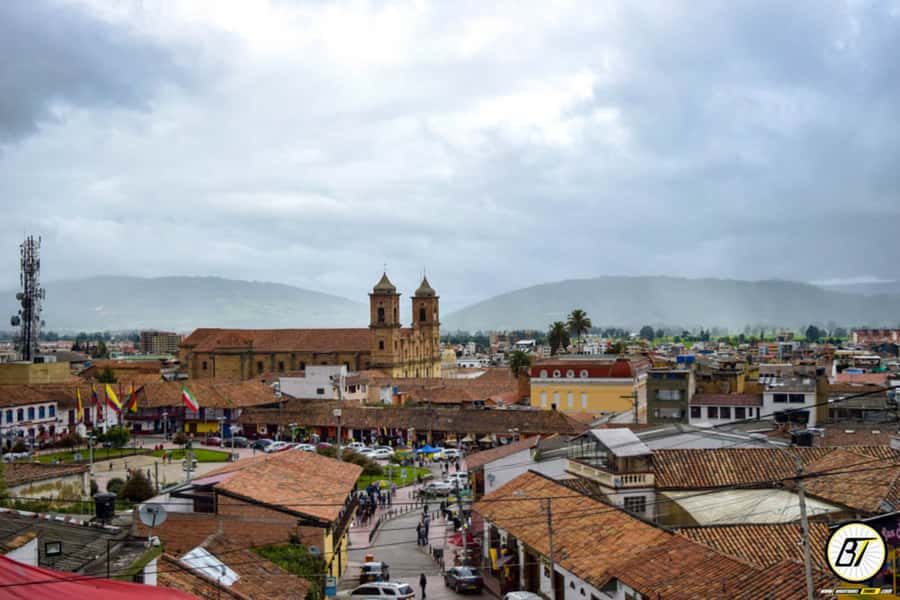
- You’ll likely get a city walk: Zipaquira’s historic center sightseeing is included when timing allows.
- Lunch is part of the value: a typical big regional meal is built into the day.
- Guides matter here: names like Boris, Saray, Miguel, and Fabio show up with consistently strong feedback.
- Weather and altitude are the wildcard: bring layers and plan for rain up on the lagoon.
Heading underground at Zipaquirá? More salt cathedral day trips to compare




Guatavita Lake: Dorado legend and the short stair trek
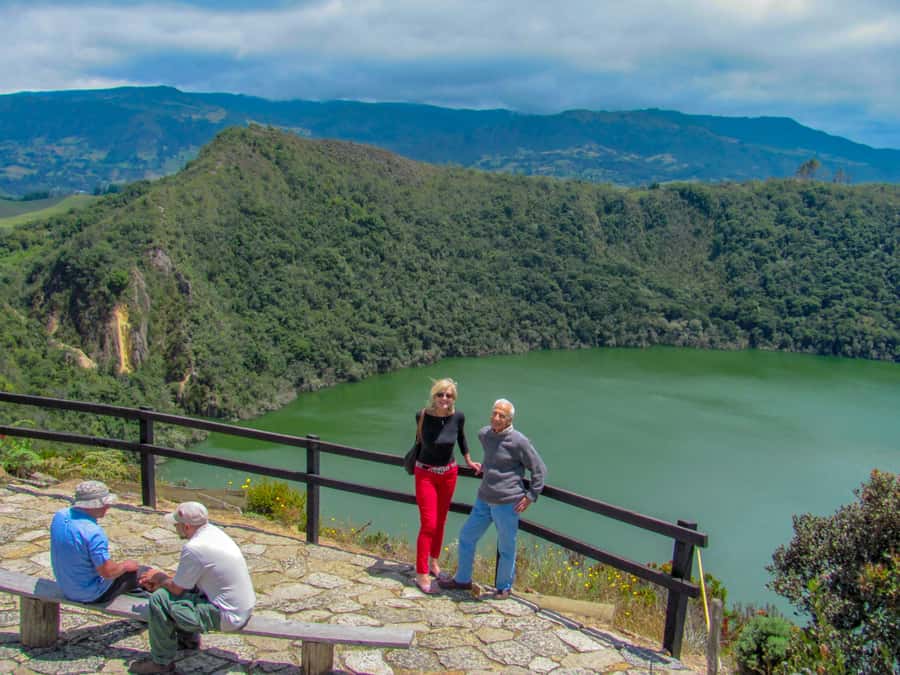
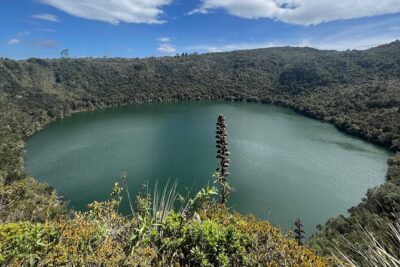
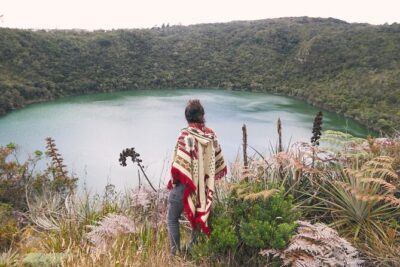
Guatavita Lake is the reason this route exists at all. You’ll visit the sacred lagoon tied to the legend of Dorado—the story of lost gold ruled by the Muiscas—a tale that kept people searching for a mythical city of wealth for years. Even without proof of a literal lost city, the meaning is the point: the legend explains why this place became sacred in the first place, and why the scenery feels so important.
Once you’re there, expect a focused visit rather than a long wandering loop. The walk includes around 15 minutes of ascending trekking with stairs to reach the top viewpoint area. This is not a huge hike, but it’s still a climb, and altitude can make your breathing feel a little more work than you expect. If you’re sensitive to altitude, this is the first place to take the warnings seriously.
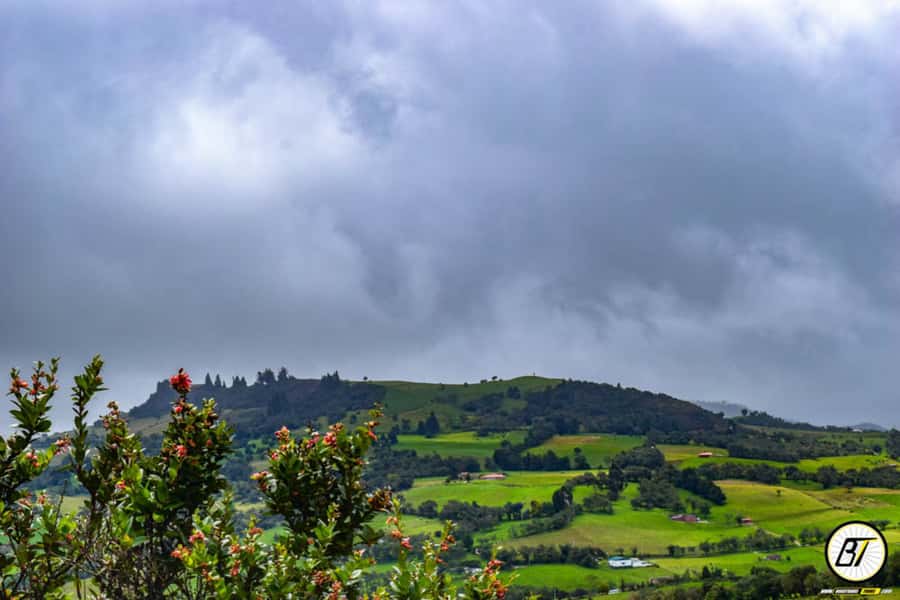
The setting is the payoff. I like that the guide builds context right on the path, stopping at different sections so you don’t just walk from point A to point B. You’re moving through marked areas while you learn why the lagoon mattered, then you reach spots with broader views—often the best moments for photos.
Rain is common enough here that you should plan for it. You’ll want layered clothing plus a warm layer and a rain cover. A note from the tour details says you should bring an umbrella if you have one, and they can provide one if you don’t. Sunscreen still matters too, because cloud cover doesn’t always mean UV is gone.
Who should think twice at Guatavita
This part is where the tour’s health notes really matter. The trek at the lagoon isn’t described as extremely demanding, but the combination of altitude and stairs can be harder for some people. The tour isn’t recommended for people with low blood pressure, heart problems, hypoglycemia, diabetes, limited knee mobility, or for anyone who has recent surgeries or struggles with respiratory issues. If you’ve dealt with altitude sickness before, treat this as a strong caution flag.
Practical tip that saves discomfort
Wear comfortable, grippy shoes and take the climb at your own pace. In places like this, people tend to speed up at the start. If you keep a steady rhythm, the stairs feel manageable, and you’ll enjoy the viewpoint instead of just getting through it.
Zipaquirá Salt Cathedral: walking inside a mine turned chapel
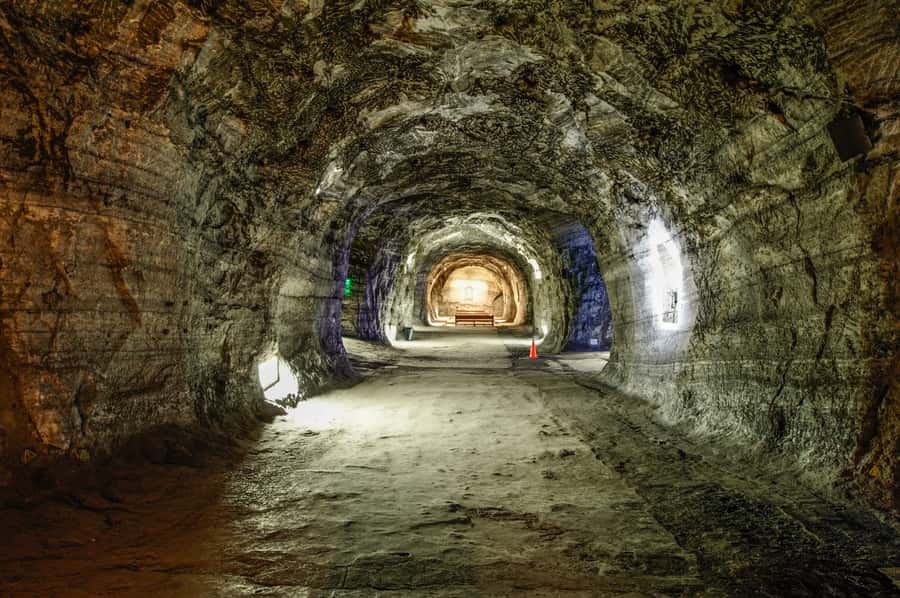
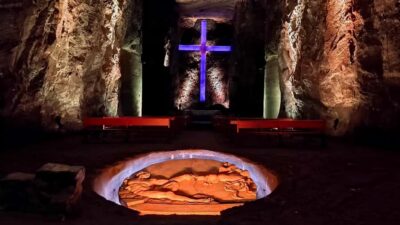
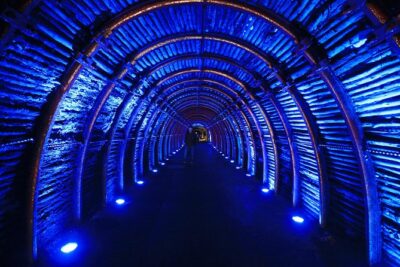
Next stop is the Salt Cathedral of Zipaquira, about 49 kilometers outside Bogotá. The big headline here is the contrast: the cathedral is inside a former salt mine. That means you’re not just seeing religious architecture—you’re stepping into a space shaped by extraction, then transformed into something designed for awe.
The tour includes an audio guide inside the cathedral, and it’s bilingual. I like having audio here because it keeps you from feeling like you’re reading your way through dark corridors. You can look up, take photos, and still get the story behind the symbolism and design.
The tour’s framing is simple and effective: the site offers a “man work” element and a “God and nature” element—salt forms and built structure working together. What lands best is how the space makes you slow down. Even if you’re not deeply religious, the cathedral’s layout and the engineering of the underground setting creates a sense of place that’s hard to replicate aboveground.
Chasing the El Dorado story? More Guatavita lagoon trips out of Bogotá
- New & Cheapest ZIPAQUIRA & GUATAVITA LAKE Visit 5 Sites/PICKUP★ 5.0 · 153 reviews
- Salt Cathedral of Zipaquirá & Lake Guatavita: Private or Shared★ 5.0 · 88 reviews
- Village and Lake Guatavita Private Tour with Optional Lunch★ 5.0 · 47 reviews
- Private Zipaquira Salt Cathedral and Guatavita Lagoon Tour from Bogota★ 4.5 · 44 reviews
The skip-the-line advantage
You’ll skip the ticket line, which matters a lot on busy days. The cathedral experience is timed by your overall day schedule, and losing time to waiting reduces the quality of everything else. This is one of those small inclusions that you only notice because it prevents frustration.
What about the visit length?
The tour plan gives you time for the cathedral and keeps the rest of the day moving. There’s also flexibility after the cathedral for the historic center walk depending on timing. If you like having just enough time to see key parts without feeling rushed, this schedule style tends to work well.
Zipaquirá historic center and a big typical lunch
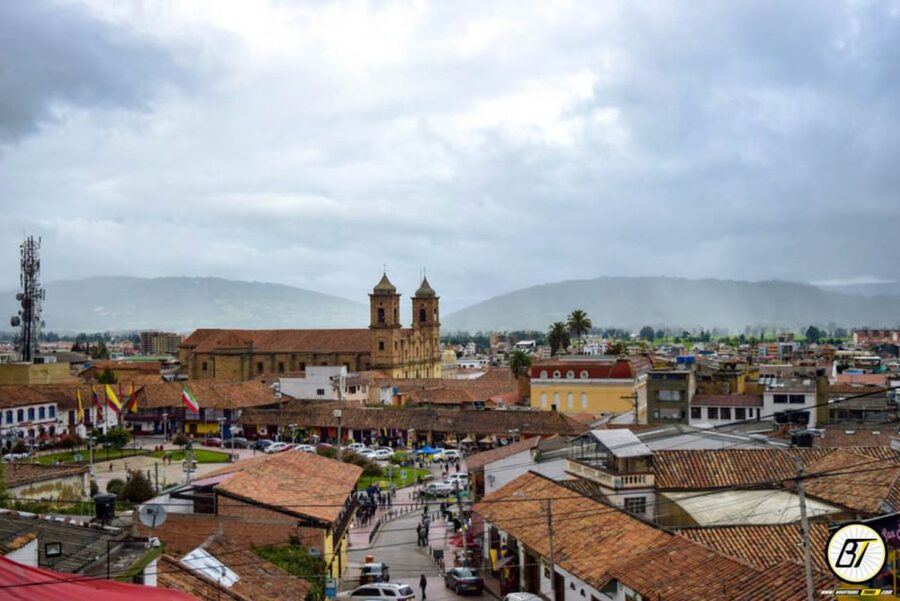
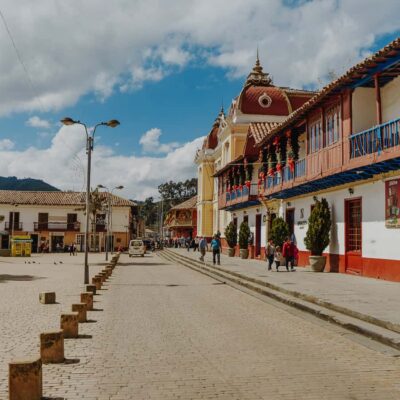
After the salt cathedral, the day may include a short sightseeing tour of Zipaquira’s historic center. It’s marked as optional based on time, which is normal for a long day with two major attractions. Still, it’s a nice change of pace: you go from underground to town streets and you get a sense of how people live in this region beyond the landmark sites.
Then comes one of the smartest parts of the itinerary: a typical big lunch. The tour details call it a regional Colombian meal, and the feedback I saw praised it as both generous and tasty. I find that matters on tours like this. When you’re doing altitude + stairs + lots of walking, a real meal beats snacks and vending-machine compromises.
This lunch is also a value signal. It’s not just included as a courtesy—it helps you keep energy stable for the rest of the day, especially if you want to take photos and explore without rushing.
Private transportation, pickup timing, and guide quality
This is set up as a private group with hotel-to-tour-to-hotel transportation. That’s a practical win if you want your day to feel controlled: fewer random stops, less time negotiating meeting points, and a smoother rhythm between Guatavita and Zipaquira.
Your pickup is included, and you’re asked to wait in the hotel lobby about 10 minutes before the scheduled time. I always recommend being ready early on day trips like this, because the drive time and traffic can shift how quickly you’ll be picked up.
On the human side, the tour details promise live guiding in English and Spanish, and the Guatavita portion includes a guide who can work in Spanish, English, and German. That’s helpful if you’re traveling with people who prefer different languages.
The strongest element from the feedback is how guides shape the day. Names like Boris and Saray came up for being fun and informative—especially Saray, who reportedly helped with photos and kept the experience easy to enjoy. Miguel also appears with praise for making a tired day feel enriching, while Fabio was described as very informative and the drive as safe.
One note for your expectations: one verified booking said communication about scheduling and pickup was poor. That’s not something you can control, but you can control how you handle it—double-check your pickup details before departure and keep your phone on.
Price, timing, and who this day trip is for
At $1,157 per person, this isn’t a budget half-day. But it’s also not just a ticket to two attractions. You’re paying for private transportation, admissions, a guide experience at Guatavita, an audio guide inside the salt cathedral, an included lunch, and logistical accompaniment all day. For many people, that mix of time-saving + reduced stress is exactly what makes the price feel more reasonable.
Still, you should evaluate this tour based on how you like to travel:
- If you prefer a structured day with someone handling timing and entrances, this fits.
- If you like to wander independently, you might feel boxed in by the 11-hour format.
- If you struggle with stairs or altitude, you may not get the experience you’re hoping for.
The 11-hour reality check
This is a full day: drive time, Guatavita viewpoints, cathedral visit, possible town sightseeing, then lunch. Reviews also described the day as tiring but enriching. That tracks with the physical component and the fact you’re doing two big set-piece sites.
Plan to move at a steady pace, hydrate, and keep your layers handy. If it rains up on the lagoon top, you’ll be glad you brought the umbrella and a warm layer.
Should you book this Bogotá to Guatavita and Zipaquirá tour?
I think you should book if you want one day that covers two of the region’s most distinctive experiences: a sacred legend-linked lagoon and a jaw-dropping underground salt cathedral—with a lunch stop that actually feeds you. The private format also makes it easier to enjoy the day without juggling public transport.
You should pause before booking if any of the health cautions apply to you, especially anything related to stairs, heart issues, respiratory issues, altitude sensitivity, or mobility limitations. In other words: the main risk isn’t the drive—it’s the climb and the altitude at Guatavita.
If you do book, I’d go in with a simple plan: good shoes, layered clothing, sunscreen, and an umbrella. Then let the guides do their thing—places like this are much better with context than with a phone alone.
FAQ
How long is the Bogota to Guatavita Lake and Zipaquira Salt Cathedral tour?
The duration is listed as 11 hours.
What’s included in the price besides transportation?
Included are admission fees for Guatavita lagoon and the Salt Cathedral, a typical big lunch, and guided elements such as a live guide inside Guatavita and a bilingual audio guide inside the Salt Cathedral. There’s also optional short sightseeing in Zipaquira’s historic center.
Are tickets provided, and do I wait in line?
The tour includes a skip-the-ticket-line benefit.
What languages are the guides and audio available in?
The live tour guide is available in English and Spanish. Inside Guatavita Lake, the guide can speak Spanish, English, and German. The Salt Cathedral includes a bilingual audio guide.
What time do I need to be ready for pickup?
Pickup is included, and you should wait in the hotel lobby about 10 minutes before the scheduled pickup time.
What should I bring for Guatavita Lake?
Bring comfortable shoes, warm clothing, sunscreen, and comfortable clothes. Layered clothing is recommended, and an umbrella is useful for the top of Guatavita Lake since rain precipitation is possible. The tour says they can offer an umbrella if you don’t have one.
Is the tour suitable for everyone, including mobility issues or health conditions?
No. It’s listed as not suitable for people with mobility impairments, wheelchair users, and various health concerns including heart problems, respiratory issues, diabetes, altitude sickness, hypoglycemia, and people with limited mobility of knees, plus those with recent surgeries. Pets are also not allowed (assistance dogs allowed).
More Tour Reviews in Bogota
- Bogota: Bicycle City Tour
★ 4.9 · 2,156 reviews - Zipaquirá: Salt Cathedral Group Tour with Pickup
★ 4.8 · 1,606 reviews - Bogotá: Guided La Candelaria Walking Tour
★ 4.8 · 1,229 reviews - Bogotá: Private City Tour, Monserrate, Emerald and Botero
★ 4.9 · 798 reviews - Bogotá´s Barrios: El Paraíso Favela Tour with Cable Car
★ 4.8 · 731 reviews - Bogota: Guatavita and Salt Cathedral Daily Group Tour
★ 4.7 · 615 reviews
More Guatavita Lake & El Dorado Trips
- Bogota: Guatavita and Salt Cathedral Daily Group Tour
★ 4.7 · 615 reviews - Bogota: Zipaquirá Salt Cathedral and Lake Guatavita Day Tour
★ 4.8 · 551 reviews - Bogota:Zipaquirá Salt Cathedral & Guatavita Trip with Pickup
★ 4.8 · 183 reviews - New & Cheapest ZIPAQUIRA & GUATAVITA LAKE Visit 5 Sites/PICKUP
★ 5.0 · 153 reviews - Shared Tour Zipaquirá Salt Cathedral and Guatavita Lagoon
★ 5.0 · 139 reviews - Salt Cathedral of Zipaquirá & Lake Guatavita: Private or Shared
★ 5.0 · 88 reviews
More Zipaquirá Salt Cathedral Day Trips
- Zipaquirá: Salt Cathedral Group Tour with Pickup
★ 4.8 · 1,606 reviews - Bogota: Guatavita and Salt Cathedral Daily Group Tour
★ 4.7 · 615 reviews - Bogota: Zipaquirá Salt Cathedral and Lake Guatavita Day Tour
★ 4.8 · 551 reviews - Bogota: Salt Cathedral of Zipaquira Private daily Trip
★ 4.8 · 262 reviews - Bogota:Zipaquirá Salt Cathedral & Guatavita Trip with Pickup
★ 4.8 · 183 reviews - New & Cheapest ZIPAQUIRA & GUATAVITA LAKE Visit 5 Sites/PICKUP
★ 5.0 · 153 reviews
Fresh off the review pile: more Bogotá tours to weigh up


Zipaquira Salt Cathedral Tours, compared.
 ★ 4.8Zipaquirá: Salt Cathedral Group Tour with PickupFrom $461,606 reviews
 ★ 4.7Guatavita and Salt Cathedral Daily Group TourFrom $91615 reviews
 ★ 4.8Zipaquirá Salt Cathedral and Lake Guatavita Day TourFrom $61551 reviews
 ★ 4.8Salt Cathedral of Zipaquira Private daily TripFrom $75262 reviews
 ★ 4.8Zipaquirá Salt Cathedral & Guatavita Trip with PickupFrom $66183 reviews
 ★ 5.0New & Cheapest ZIPAQUIRA & GUATAVITA LAKE Visit 5 Sites/PICKUPFrom $53153 reviews
 ★ 5.0Shared Tour Zipaquirá Salt Cathedral and Guatavita LagoonFrom $74139 reviews
 ★ 5.0Salt Cathedral of Zipaquirá & Lake Guatavita: Private or SharedFrom $13988 reviews
Browse the lists this tour appears in