
Reviewed · MONSERRATE & GUADALUPE PEAKS
Shared Tour to Monserrate Hill and Gold Museum in Bogota
Monserrate Hill turns Bogota into a viewpoint, fast. In just 3 hours, you’ll ride up by cable car, stand inside a 17th-century sanctuary, and then head to the famous Gold Museum to see Colombia’s pre-Hispanic craftsmanship up close. I like how the day mixes big-city views with hands-on cultural storytelling rather than just ticking sights.
Two things I really like: the panoramic Monserrate views from high above the city, and the Gold Museum’s scale (over 55,000 artifacts) paired with a guide who explains what the objects meant to the indigenous cultures. One practical consideration: meeting the guide can feel tricky if you’re not watching for the red umbrellas at the Monserrate area, so double-check your details before you arrive.
In This Review
- Key things to know before you go
- Monserrate Hill: a 3,152-meter viewpoint with a pilgrimage inside
- Cable car views and what to expect on the ride up
- Monserrate Sanctuary: history you can feel in the space
- The Gold Museum: 55,000 artifacts and why they mattered
- What you’ll likely notice as you walk through
- The Monserrate-to-museum transition: short and manageable
- Price and value for a 3-hour small-group combo
- Guide quality: what you should look for on your day
- Meeting point at Monserrate: how to avoid the most common hassle
- Who this tour fits best in Bogota
- A few practical tips that actually matter
- Should you book this Monserrate Hill and Gold Museum tour?
Key things to know before you go
- Cable car to Monserrate Hill: the climb is part of the experience, with city views as you rise to 3,152 meters.
- Monserrate Sanctuary visit: you’ll spend time in a major pilgrimage site tied to the Fallen Lord.
- Gold Museum’s huge collection: you’re looking at 55,000+ pieces, including gold, ceramics, and gemstones.
- A real guide, not just audio: you get live commentary in Spanish, English, Italian, French, or Portuguese.
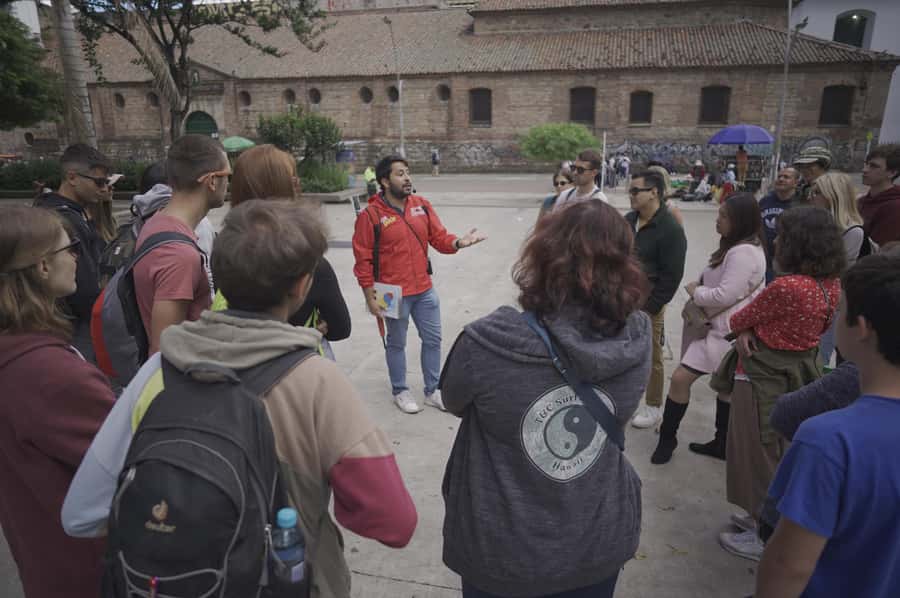
- Small group size: limited to 10 participants, which keeps questions possible.
- Food not included: there’s a local snack, but you’ll want a plan for water and anything else you need.
Made the climb up Monserrate? Here is what pairs well with the two hills


Monserrate Hill: a 3,152-meter viewpoint with a pilgrimage inside
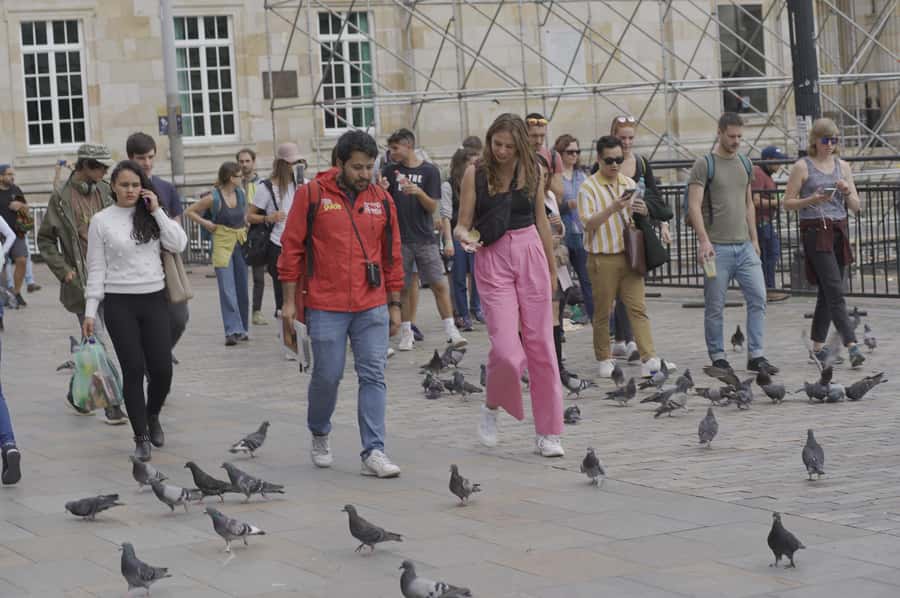
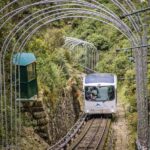
If you only have a short time in Bogota, Monserrate is a smart choice. The hill rises to 3,152 meters above sea level, and the tour starts with getting up there by cable car—so you’re not spending your energy on a long uphill grind before you even arrive. You also get wide, sweeping views over the city, which helps you understand where you are in Bogotá’s geography.
But Monserrate isn’t just a viewpoint. At the summit, you’ll reach the Monserrate Sanctuary, a 17th-century pilgrimage site where visitors can pay homage to the Fallen Lord. That matters because you’re not treating the stop like a photo op only. You’re stepping into a place that’s still spiritually important, and your guide’s commentary helps you read the meaning behind what you’re seeing.
One detail I’d keep in mind: the sanctuary experience is quietly atmospheric. Even when the tour is structured and timed, the mood on top tends to be more reflective than sightseeing-loud. That’s a good thing if you want a pause from the noise of a city day.
Cable car views and what to expect on the ride up
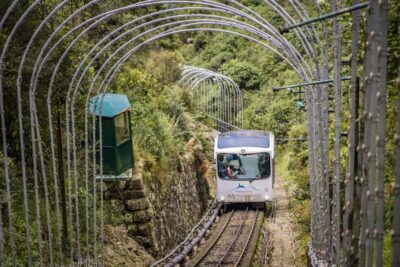
The tour route uses a cable car for the ascent to Monserrate, and that changes the feel of the day. Instead of arriving already tired, you’re moving through the views first, then absorbing the sanctuary after. It’s also a good fit for mixed fitness levels since the main climb is handled for you.
Your certified guide keeps things organized so you know what’s next—especially helpful in an area like Monserrate where there are multiple entry points and lots of foot traffic. And because the group is capped at 10 participants, it stays easier to track everyone as you shift from transportation to the sanctuary to the next stop.
I also like that the tour is designed as a combo. Monserrate gives you the vertical sense of Bogotá (how the city spreads below), and the next stop gives you horizontal depth (how old cultures shaped the region’s identity).
Monserrate Sanctuary: history you can feel in the space
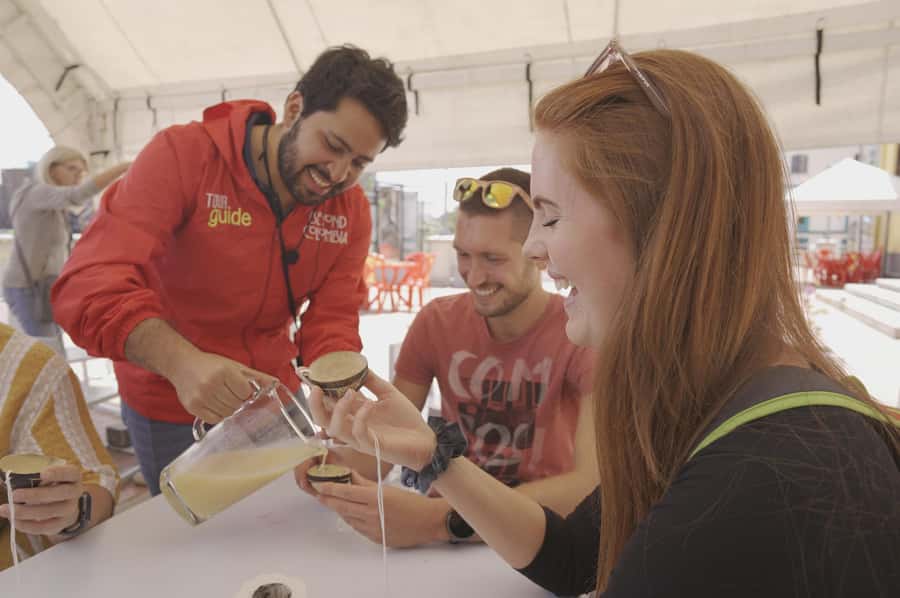
Standing in the Monserrate Sanctuary is one of those moments where context changes the whole experience. You’re visiting a major pilgrimage site tied to the Fallen Lord, so the emphasis is not on museum facts. It’s on atmosphere, devotion, and the living role this site plays for visitors.
Your guide’s job here is crucial: turning what could be just sightseeing into understanding. You’ll get explanations that connect the sanctuary’s importance to the broader way people experience the hill. That’s especially valuable if you’re visiting from abroad and you’re not already familiar with Colombia’s religious landscape.
A small but important consideration: on days with special events, Monserrate can be busy. Your best approach is to go with the flow, keep your group together, and let your guide manage timing so you don’t feel stressed.
The Gold Museum: 55,000 artifacts and why they mattered
After Monserrate, the tour shifts gears to the Gold Museum, one of Colombia’s biggest cultural draws. The promise here is big: you’ll see over 55,000 pieces of gold, plus ceramics and gemstones. The number alone is impressive, but what makes the stop valuable is how your guide ties the artifacts to meaning.
Pre-Hispanic history can sometimes feel distant when you only see objects behind glass. Here, the tour approach helps you connect symbols, materials, and craftsmanship to indigenous rituals and worldviews. Your guide narrates the stories behind what you’re looking at, so you’re not just scanning display labels.
I like this museum stop because it’s not “gold for gold’s sake.” It’s about how ancient communities used precious materials and detailed artistry to communicate status, belief, and identity. If you’re even a little curious about how culture expresses itself, this is the kind of museum that rewards attention.
For the Gold Museum and Botero crowd, more Bogotá museum tours to line up
- Bogota: Colombian Emerald Ring Workshop★ 5.0 · 61 reviews
- La Candelaria, Mount Monserrate and Museo del Oro in One Day in Bogota★ 5.0 · 41 reviews
- Bogotá: Private Candelaria Walking Tour and Gold Museum★ 5.0 · 17 reviews
- Bogotá: Private Candelaria Walking Tour with Gold Museum★ 5.0 · 11 reviews
What you’ll likely notice as you walk through
You’ll see variety in materials (gold, ceramics, gemstones) and that variety helps you understand that artistry wasn’t only about metalwork. The guide’s explanations make it easier to spot patterns—like recurring themes and how different objects relate to ritual life.
Also, because your time is limited to 3 hours total, the tour is structured to focus on the most important parts without dragging. That’s a real advantage in a city where you might want to fit other stops into your day.
The Monserrate-to-museum transition: short and manageable
The tour keeps things efficient, but there may be a bit of movement between stops. One detail I learned from practical on-the-ground timing: the route can include a short downhill walk between Monserrate and the museum area, around 25 minutes when you’re routed that way.
You don’t need to plan a marathon, but it’s smart to be ready for walking time even if the main highlight starts with cable car. If you’re sensitive to uneven sidewalks or crowds, keep your pace steady and let your guide set the rhythm.
This transition is also where you get a reality check of Bogotá’s layers—hill up, museum down—so by the time you’re inside the Gold Museum, you’ve already felt the city’s vertical scale.
Price and value for a 3-hour small-group combo
At $70 per person for 3 hours, this tour sits in a reasonable mid-range for Bogotá’s top “must-see” pair. You’re paying for three things that add up quickly when booked separately: a certified guide, entry to Monserrate and the Gold Museum, and a local snack.
If you were planning to do this on your own, you’d still face the biggest costs: getting to Monserrate, finding your way through the museum efficiently, and hiring a guide to make the pre-Hispanic artifacts make sense. That’s where the value comes in. The guide narration turns two famous sites into one coherent story about place and heritage.
It’s also a good value for language comfort. The tour offers live guidance in Spanish, English, Italian, French, and Portuguese, which helps if you don’t want to rely on translations after the fact.
Guide quality: what you should look for on your day
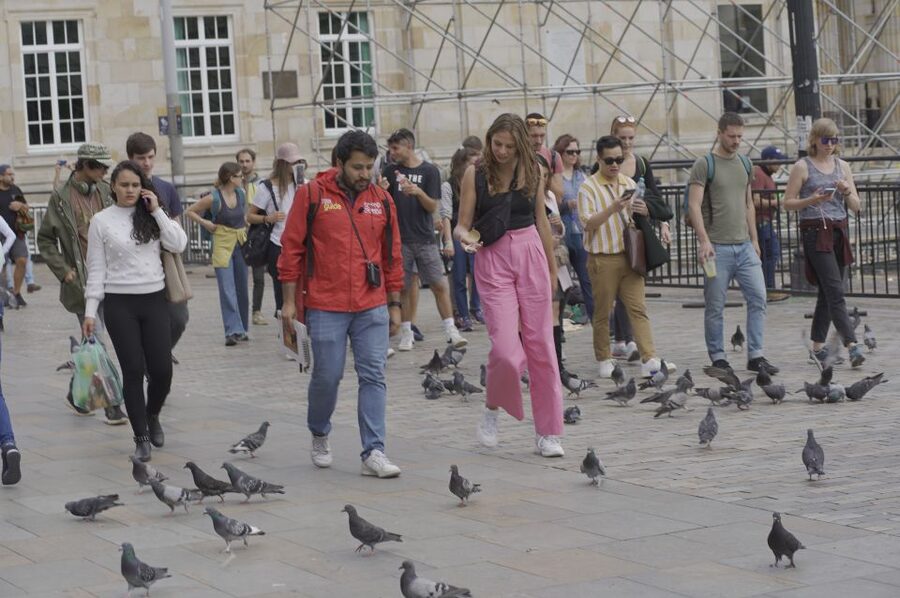
The tone of this tour depends heavily on the guide, and the overall impression is that the guiding is a standout. On similar experiences like this, the best guides do two things well: they keep you moving without rushing you, and they explain artifacts in a way you can actually remember.
I’ve seen firsthand how helpful it is when guides are sharp at details. Names like Daniela and Naty have come up as guides who handle the experience smoothly and make the stops feel connected rather than separate.
If you want to get more out of the hour at the museum, ask your guide questions. Pre-Hispanic cultures can feel vast, and a good guide can point you toward what to watch for as you move through the collection.
Meeting point at Monserrate: how to avoid the most common hassle
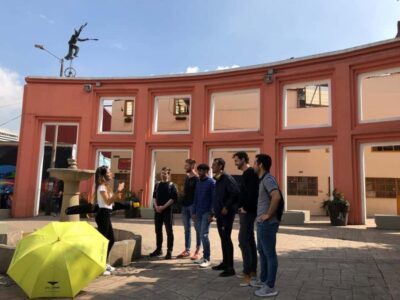
The meeting point is clear on paper, but it’s the kind of place where details matter: find the tour group next to Monserrate with red umbrellas.
Here’s the practical advice I’d give you: arrive early enough to confirm you’re in the right spot and that someone is matching the umbrella cue. When instructions are unclear, it’s easy to end up waiting near the wrong entrance. The red umbrellas are the quick fix—use them.
Once you’re matched with your guide, the rest of the tour usually runs smoothly: Monserrate first, then the Gold Museum, all within the tight 3-hour window.
Who this tour fits best in Bogota
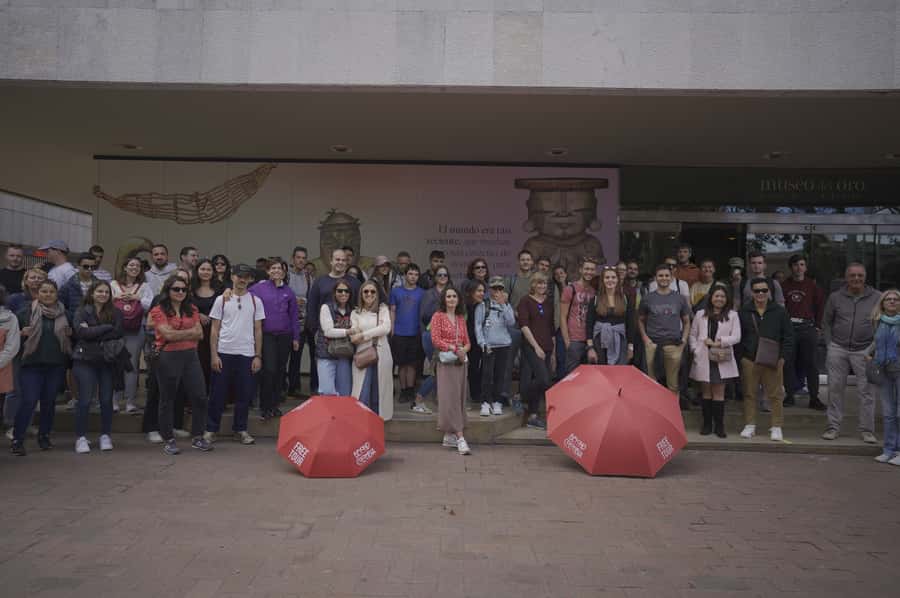
This combo is ideal if you want a high-impact day with two of Bogotá’s best-known experiences. I’d especially recommend it if:
- You’re short on time and want a structured plan that hits both a viewpoint and a major museum.
- You care about culture and want the Gold Museum explained beyond surface-level descriptions.
- You prefer a small group (limited to 10 participants) where you can ask questions without shouting over a crowd.
- You’re traveling with someone who likes different things—Monserrate is nature/view energy, while the Gold Museum is heritage and artifacts.
If you’re the type who prefers self-paced wandering with zero structure, this tour might feel a bit scheduled. But if you want help making sense of what you’re seeing, it’s a strong match.
A few practical tips that actually matter
Because the itinerary mixes an elevated sanctuary stop with a museum visit, come prepared to move between locations without overplanning.
- Bring what you need for comfort since the tour includes a local snack, but food and drinks aren’t included.
- Use the red umbrella meeting cue and plan to arrive a few minutes early.
- If you have mobility needs, it’s good to know the tour is listed as wheelchair accessible.
None of this is glamorous. It just prevents the day from getting annoying.
Should you book this Monserrate Hill and Gold Museum tour?
Yes, I think you should book it if you want a compact, guided way to understand Bogotá from two angles: up on the hill at Monserrate Sanctuary and then inside Colombia’s pre-Hispanic world at the Gold Museum. The combination of certified guiding, museum storytelling, and a manageable 3-hour structure makes it an efficient choice for first-timers and history-curious visitors alike.
If you’re the kind of traveler who hates logistical uncertainty, your only real risk is meeting your guide. Solve that by using the red umbrella cue and double-checking your meeting details before you head out. Do that, and this tour delivers a lot of meaning for the time you have.
More Tour Reviews in Bogota
- Bogota: Bicycle City Tour
★ 4.9 · 2,156 reviews - Zipaquirá: Salt Cathedral Group Tour with Pickup
★ 4.8 · 1,606 reviews - Bogotá: Guided La Candelaria Walking Tour
★ 4.8 · 1,229 reviews - Bogotá: Private City Tour, Monserrate, Emerald and Botero
★ 4.9 · 798 reviews - Bogotá´s Barrios: El Paraíso Favela Tour with Cable Car
★ 4.8 · 731 reviews - Bogota: Guatavita and Salt Cathedral Daily Group Tour
★ 4.7 · 615 reviews
More Gold & Emerald Museum Tours
- Bogotá: Private City Tour, Monserrate, Emerald and Botero
★ 4.9 · 798 reviews - Bogotá City Tour with Monserrate, Gold and Botero Museums
★ 4.9 · 584 reviews - Bogotá: City Tour, Monserrate, Gold Museum, Plaza de Bolivar
★ 4.7 · 168 reviews - BOGOTA: City Tour, Monserrate, Gold Museum, Botero Museum, Plaza Bolívar
★ 4.8 · 146 reviews - Bogota: Colombian Emerald Ring Workshop
★ 5.0 · 61 reviews - La Candelaria, Mount Monserrate and Museo del Oro in One Day in Bogota
★ 5.0 · 41 reviews
More Monserrate & Guadalupe Trips
- Bogotá: Private City Tour, Monserrate, Emerald and Botero
★ 4.9 · 798 reviews - Bogotá City Tour with Monserrate, Gold and Botero Museums
★ 4.9 · 584 reviews - Bogota: Monserrate Entry Ticket
★ 4.4 · 233 reviews - Bogotá: City Tour, Monserrate, Gold Museum, Plaza de Bolivar
★ 4.7 · 168 reviews - BOGOTA: City Tour, Monserrate, Gold Museum, Botero Museum, Plaza Bolívar
★ 4.8 · 146 reviews - Monserrate Tour in Bogotá Including Tickets
★ 4.5 · 82 reviews
Fresh off the review pile: more Bogotá tours to weigh up


Monserrate & Guadalupe Peaks, compared.
 ★ 4.9Private City Tour, Monserrate, Emerald and BoteroFrom $65798 reviews
 ★ 4.9Bogotá City Tour with Monserrate, Gold and Botero MuseumsFrom $65584 reviews
 ★ 4.4Monserrate Entry TicketFrom $16233 reviews
 ★ 4.7City Tour, Monserrate, Gold Museum, Plaza de BolivarFrom $88168 reviews
 ★ 4.8BOGOTA: City Tour, Monserrate, Gold Museum, Botero Museum, Plaza BolívarFrom $81146 reviews
 ★ 4.5Monserrate Tour in Bogotá Including TicketsFrom $2882 reviews
 ★ 5.0VIP Bogota City Tour: Farmers Market, Monserrate, Candelaria, 9hrFrom $4966 reviews
 ★ 4.77-hour City Tour of Historic Bogotá with MonserrateFrom $11847 reviews
Browse the lists this tour appears in