
Reviewed · COFFEE FARMS NEAR BOGOTA
Bogota: Colombian Coffee Tasting
Coffee lessons in Bogotá, no passport needed. This Colombian coffee tasting turns a café visit into a hands-on lesson, with acidity and aroma tests you can actually use, plus a finish where you brew and taste your own cup. I like how the guide keeps it practical, and how hosts such as Rene bring real passion to the process; the main drawback is simple: there’s no hotel pickup, so you’ll need to get yourself to the meeting point in town.
You’ll meet at Café Matuca (Carrera 5 #16-42 piso 2, Bogotá 110321, second floor) and spend about 2 hours learning how Colombian coffee goes from bean to brew. Expect a guided introduction to Colombia’s coffee reputation for its balanced, rich, nutty flavor, tastings led in English or Spanish, and coffee-flavored sweets and cookies to keep things fun while you learn.
In This Review
- Quick Key Points Before You Go
- Café Matuca Meeting: Easy Start, Real-Time Coffee Learning
- What You Learn in the 2 Hours: From Coffee Plant to Your Cup
- The Highlight Tests: Acidity and Aroma That Change How You Sip
- Brewing Techniques: How Small Changes Create Big Flavor Differences
- Coffee-Made Treats: The Sweet Break That Still Teaches
- The Finish: Brew Your Own Cup and Taste the Result
- Price and Value: Why $25 Feels Fair for What You Get
- Language and Guide Style: English or Spanish, and Personal Passion
- Practical Notes That Affect Your Experience
- Who This Bogotá Coffee Tasting Is Best For
- Should You Book This Colombian Coffee Tasting at Café Matuca?
- FAQ
- How much does the Colombian Coffee Tasting cost?
- How long is the experience?
- Where is the meeting point?
- Is hotel pickup included?
- What is included in the tour?
- What languages are available?
- What will I do during the tasting?
- Do I have to pay right away?
- Can I get a refund if plans change?
- Is there a good chance English is covered well?
Quick Key Points Before You Go
- Hands-on coffee tasting with structured acidity and aroma tests
- Brewing techniques explained clearly so you understand what changes the taste
- Coffee snacks included, like sweets and cookies made with coffee
- You brew and taste your own cup to put the lesson into practice
- English and Spanish tour guide, which makes the whole session easier to follow
Not done with the cup yet? More coffee farm days within reach of Bogotá

Café Matuca Meeting: Easy Start, Real-Time Coffee Learning
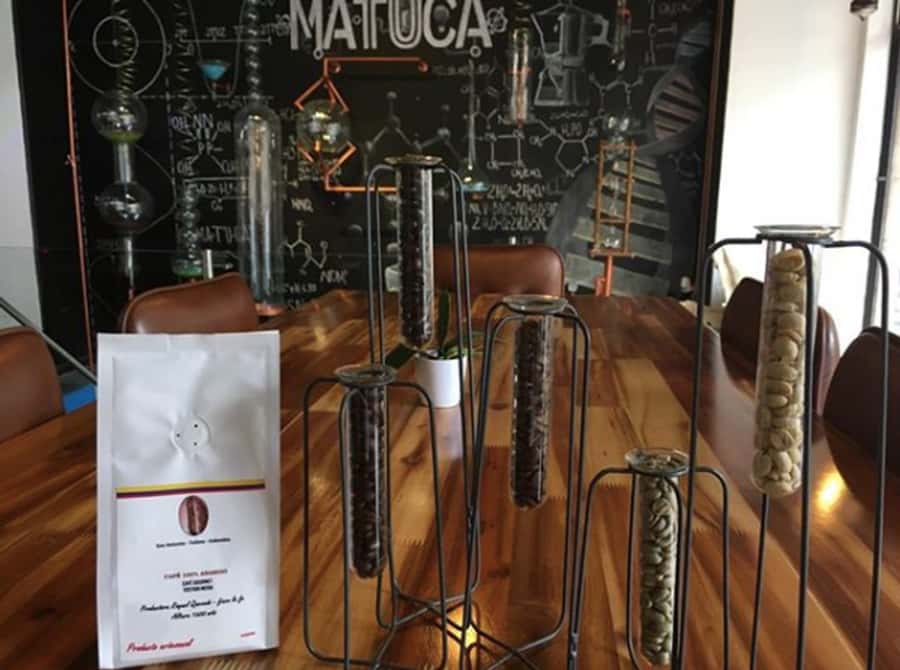
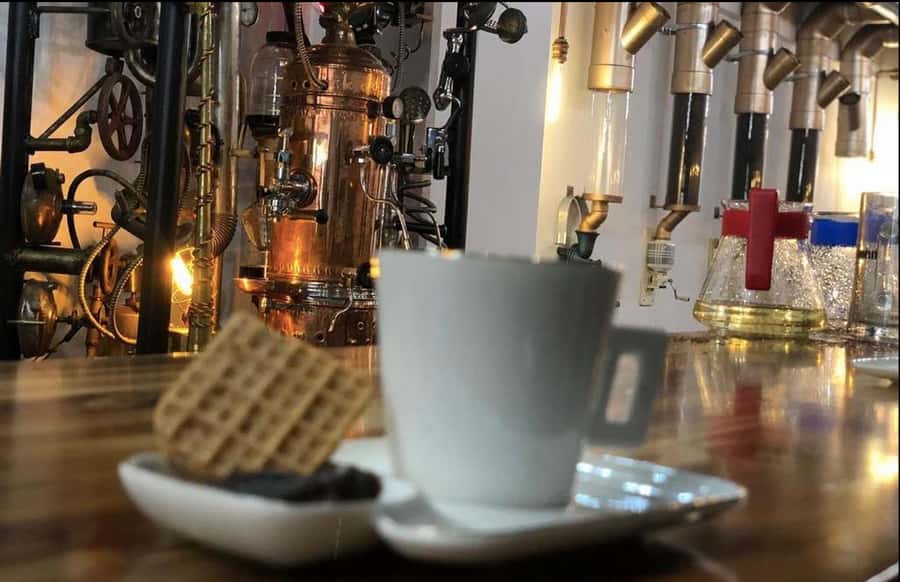
This tour is built around one straightforward idea: coffee is not magic. It’s process. You start at Café Matuca, which makes the lesson feel grounded right from the first minute. Instead of standing in a classroom, you’re in a working café setting where the smells, the samples, and the brewing step all feel connected.
The meeting point matters because this isn’t a door-to-door pickup experience. You’ll want to plan your route ahead of time and give yourself a little extra margin so you’re not arriving rushed. The good news: once you’re there, the session moves quickly and stays focused.
At Café Matuca, you’ll meet your guide and get oriented to what you’ll do in the next two hours. You’ll also hear about Colombia’s coffee standing in the world—often described as balanced, rich, and nutty—and why that reputation is so repeatable once you understand the basics.
What You Learn in the 2 Hours: From Coffee Plant to Your Cup
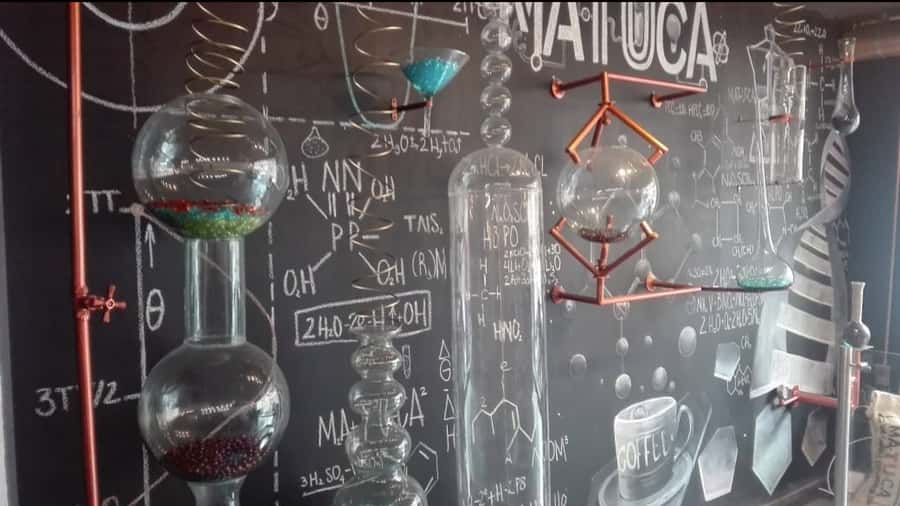
The structure is tight and very doable. You don’t need coffee jargon to follow along, and you don’t need a special background either. The guide walks you through the steps in producing coffee, which is the foundation for everything that comes after.
Here’s what you should look for as the lesson progresses:
First, you’ll learn how the coffee moves through its key stages—how the bean becomes what you finally smell and taste in a cup. Then the guide ties that production story to flavor, so you start connecting the dots between process and results.
Next comes the tasting part, which is where most people slow down and actually notice differences. You’re not just sipping and nodding. You learn methods for tasting: how to pay attention to aroma, how to identify acidity, and how to think about flavor changes as brewing changes.
Finally, you end with brewing. That last step is important because it turns your learning into a real skill, not just a fun story about coffee.
The Highlight Tests: Acidity and Aroma That Change How You Sip
The most praised part of this session is the tasting format. Instead of random pours, you get guided tastings with a real method. Two standouts are the acidity test and the aroma test.
Acidity here doesn’t mean sour. It’s more like brightness—how the coffee feels on your palate. In a guided setting, you learn what to look for and how to describe it, so the differences stop being mysterious. You start to realize that many people talk about coffee like it’s only about strength or bitterness, but acidity brings another layer of character.
Then there’s aroma, which is huge. Coffee aroma is the first thing your brain uses to predict flavor. When you’re taught what to smell and how to recognize common notes, the tasting becomes less about luck and more about observation.
These two tests also make the whole experience more useful after you leave Bogotá. You can bring the method home and apply it next time you’re ordering coffee or tasting different origins.
Brewing Techniques: How Small Changes Create Big Flavor Differences
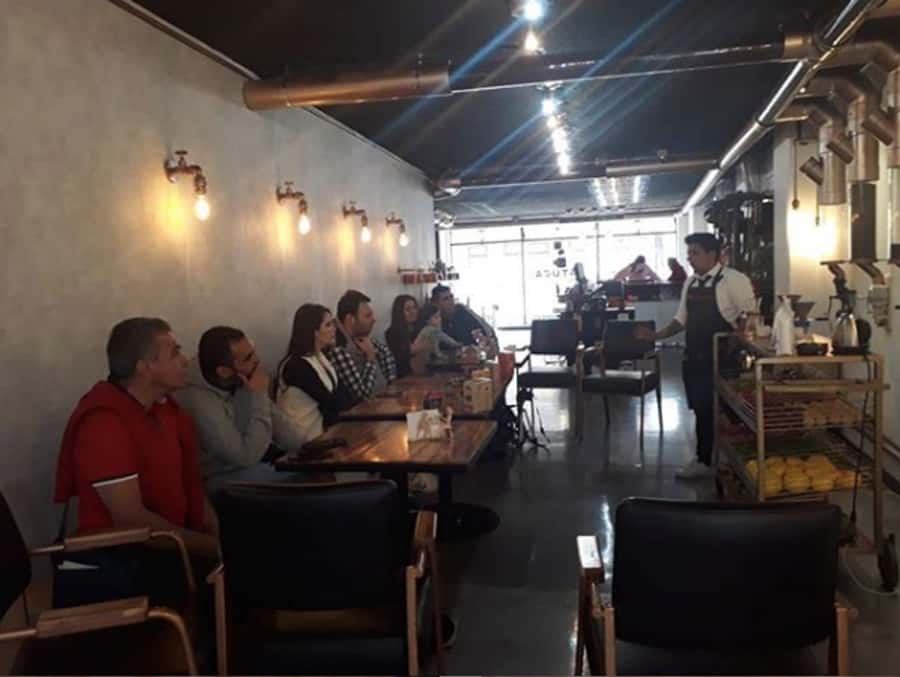
After you get comfortable with tasting, you’ll learn brewing techniques. This is the bridge between theory and what you’ll actually taste in a cup.
The guide explains different brewing approaches and how they affect the final result. You’ll start noticing that brewing isn’t one thing—it’s a handful of variables working together. Even if you don’t memorize every detail, you’ll leave with a clearer sense of what’s happening when coffee is extracted.
This matters because it changes how you interact with coffee later:
- You’ll understand why two cups from the same beans can taste different
- You’ll have a better way to ask for what you like at cafés
- You’ll be less likely to think coffee differences are only about price
In several past sessions, the guide also introduces the local habit of ordering tintos, which is a simple Colombian-style black coffee. That’s a nice touch because it brings the lesson closer to real daily life, not just tasting-room theory.
- Bogota: Bicycle City Tour★ 4.9 · 2,156 reviews
- Zipaquirá: Salt Cathedral Group Tour with Pickup★ 4.8 · 1,606 reviews
- Bogotá: Guided La Candelaria Walking Tour★ 4.8 · 1,229 reviews
- Bogotá: Private City Tour, Monserrate, Emerald and Botero★ 4.9 · 798 reviews
Coffee-Made Treats: The Sweet Break That Still Teaches
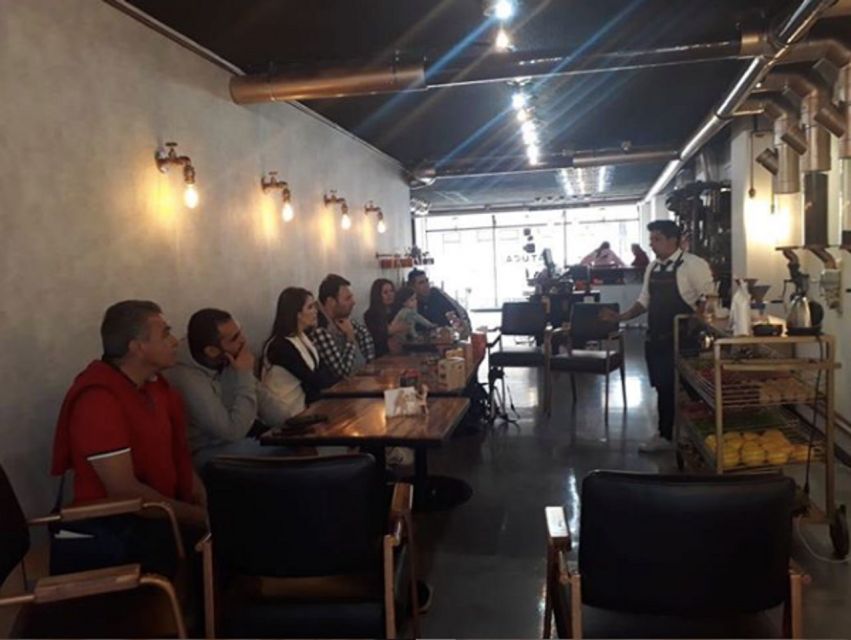
Yes, there are sweets and cookies included. But don’t treat this as filler.
Coffee-flavored products help you connect coffee flavor notes beyond the cup. You learn how coffee shows up in other forms—so you start recognizing related aromas and tastes even when the coffee is baked into something else.
This part keeps energy up during the tasting. Two hours can feel fast, but only if you’re not stuck in one long explanation. The snacks act like a reset button, and they make it easier to stay present while you’re smelling and tasting.
If you’ve ever enjoyed coffee as a mood as much as a drink, you’ll probably appreciate that this session uses both the serious and the fun side of coffee at the same time.
The Finish: Brew Your Own Cup and Taste the Result
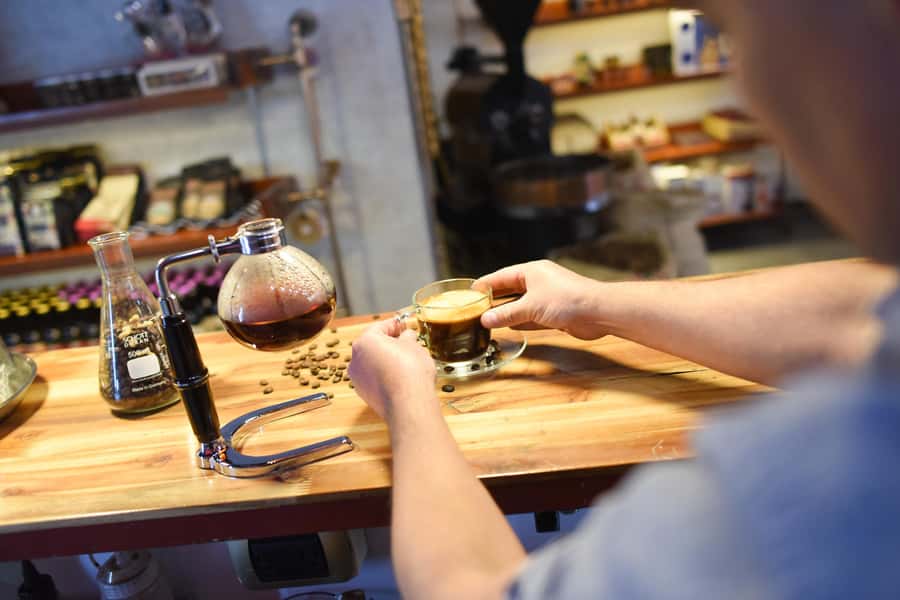
The last phase is the payoff: you brew and taste your own perfect cup of coffee. The point isn’t that there’s a single perfect recipe. The point is that you learn enough to make intentional choices.
By the time you’re brewing, you’ve already practiced the tasting skills—so you can apply them right away. You’re not starting from zero. You know what acidity and aroma are supposed to feel like, and you understand that brewing technique changes the outcome.
That makes this section especially useful if you want more than a souvenir activity. You’ll leave with a repeatable mindset: taste first, adjust with purpose, then taste again.
Price and Value: Why $25 Feels Fair for What You Get
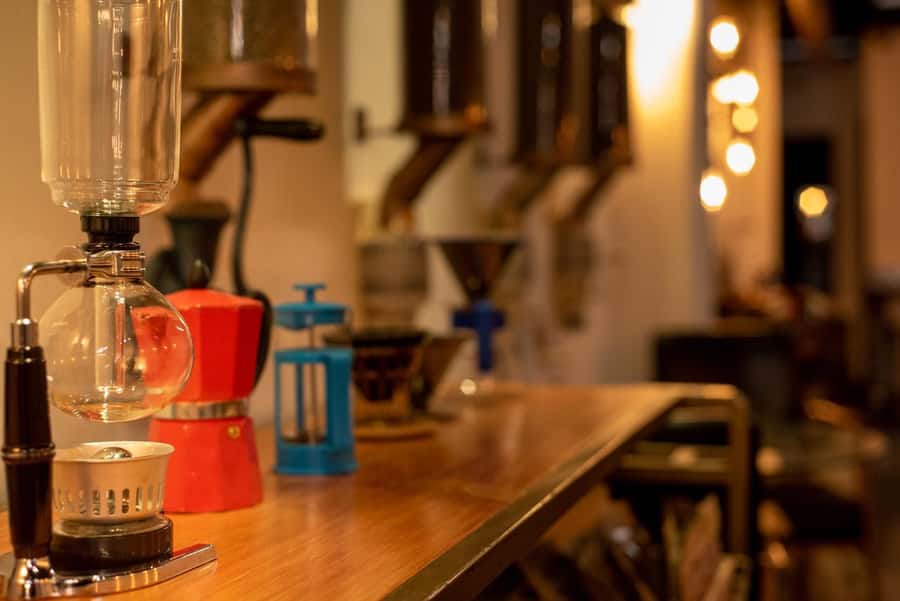
At $25 per person for about 2 hours, this isn’t a bargain because it’s “cheap.” It’s fair because the session packs real structure: tasting guidance, included coffee and treats, and a guide available in both English and Spanish.
Here’s what you’re paying for in practical terms:
- Guided tasting, including acidity and aroma tests (not random sips)
- Production-to-brew education, so you understand what you’re tasting
- Brewing practice, which is where many tasting experiences stop
- Included snacks made with coffee
Also, the meeting point is clearly defined, so you’re not paying for complicated logistics like hotel pickup. If you’re already planning to explore the area, that keeps the cost focused on the experience itself.
If you’re the type who likes learning by doing—smell, taste, adjust—this price feels like good value.
Language and Guide Style: English or Spanish, and Personal Passion
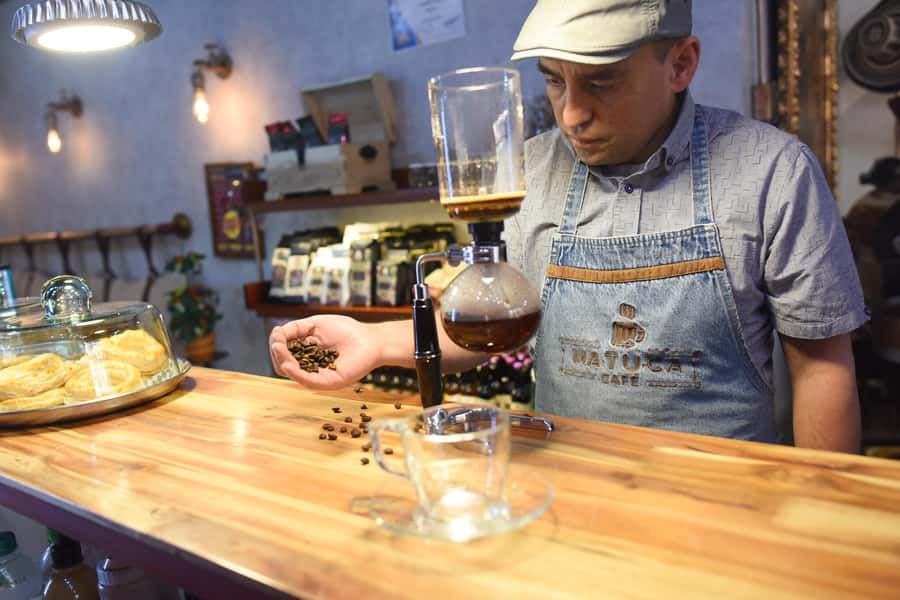
The tour is offered with a live guide in English and Spanish. That matters more than it sounds. Coffee tasting is sensory. If you’re following a method and someone can explain it in a language you’re comfortable with, you’ll get more out of every step.
Past sessions have included guides and owners such as Rene, and also names like Nicolás and Ingrid. The common thread in that feedback is passion and clear explanations, which is exactly what you want in a tasting setting. You don’t want someone rushing through samples—you want someone helping you notice differences.
Practical Notes That Affect Your Experience
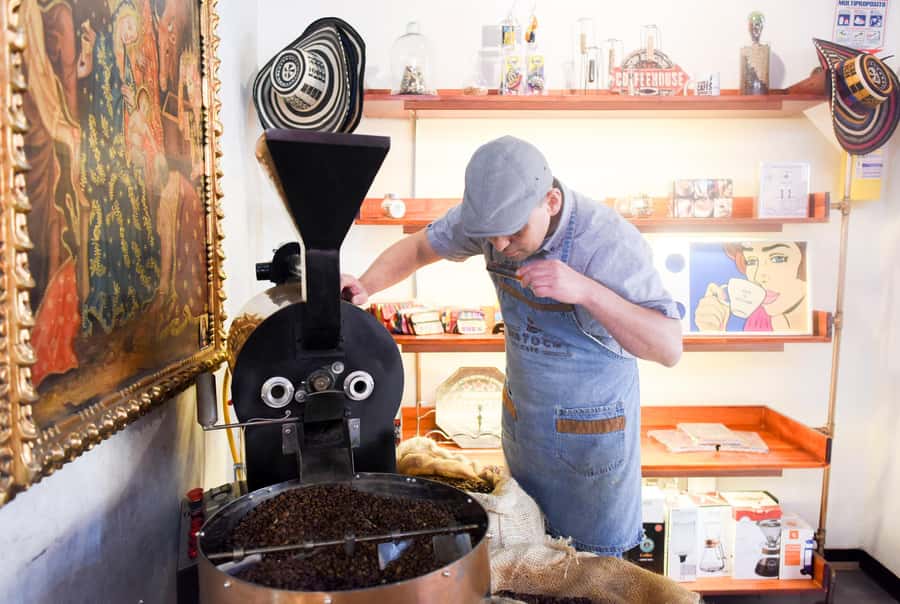
There are a few small realities that can shape how smooth your visit feels.
First, plan to arrive at the meeting point on time since there’s no pickup. Give yourself time to find the second floor at Café Matuca.
Second, treat this as a tasting lesson. That means pace yourself. You’re likely to go through multiple samples during the structured tastings and brewing portion.
Third, come with curiosity, not expectations of a long museum tour. This is a café-based session focused on coffee production, tasting technique, and brewing.
Who This Bogotá Coffee Tasting Is Best For
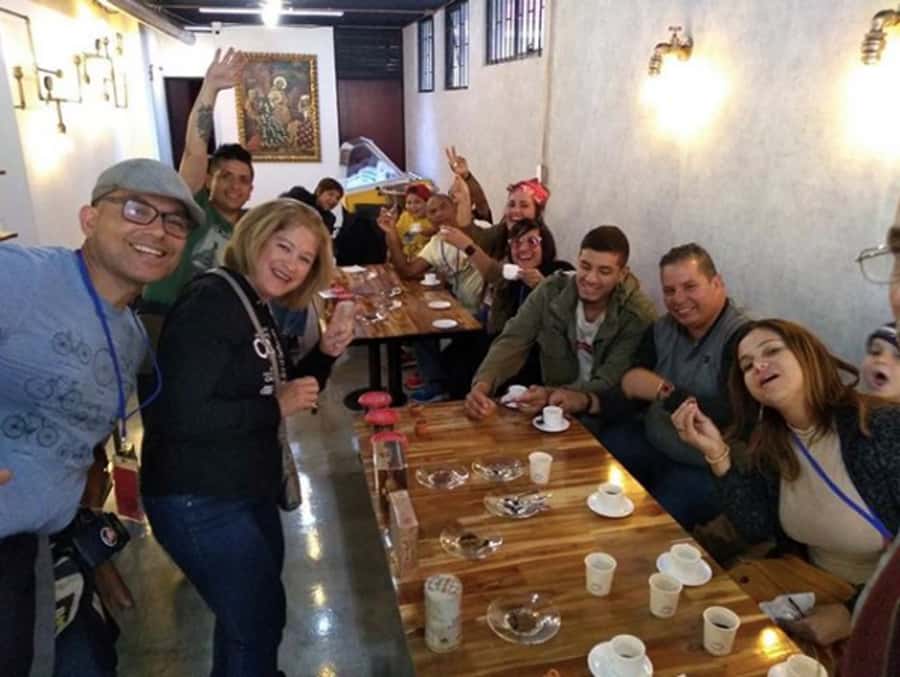
This experience fits best if you:
- Enjoy coffee and want to understand why cups taste different
- Like hands-on learning more than listening-only explanations
- Want a compact activity that fits easily into a Bogotá day
- Travel with mixed language needs (English or Spanish options)
It’s also a good choice if you’re doing major Bogotá sights nearby and want something different that still feels local and grounded. The session stays in coffee culture, not generic sightseeing.
If you’re already a total coffee nerd who knows every brewing variable, you might find it more basic than an advanced cupping class. But even then, the acidity and aroma method is a solid refresher.
Should You Book This Colombian Coffee Tasting at Café Matuca?
If you want a low-stress, well-structured Bogotá activity that teaches you how to taste and brew with confidence, I’d book it. The best reason is the format: acidity and aroma tests plus the chance to brew and taste your own cup. That combination is what turns it from a simple snack-and-sip stop into something you’ll remember every time you order coffee again.
Book it if you can get yourself to Café Matuca and you want a guided two-hour coffee lesson in English or Spanish. Skip it if you’re looking for a full-day tour with heavy transport or if you prefer tasting with no instruction at all.
FAQ
How much does the Colombian Coffee Tasting cost?
It costs $25 per person.
How long is the experience?
The duration is 2 hours.
Where is the meeting point?
Meet at Café Matuca, Carrera 5 #16-42 piso 2, Bogotá 110321, second floor.
Is hotel pickup included?
No. Hotel pickup and drop-off are not included.
What is included in the tour?
Coffee tasting is included, along with sweets and cookies, plus a live tour guide who speaks English and Spanish.
What languages are available?
The tour guide is available in Spanish and English.
What will I do during the tasting?
You’ll learn steps in coffee production, practice tasting skills (including an acidity test and an aroma test), learn about brewing techniques, try coffee-related products, and brew and taste your own cup.
Do I have to pay right away?
You can reserve now and pay later.
Can I get a refund if plans change?
Yes. Free cancellation is available up to 24 hours in advance for a full refund.
Is there a good chance English is covered well?
The tour listing specifies English and Spanish-speaking guides, and many sessions have been led in English as well as Spanish.
More Tour Reviews in Bogota
- Bogota: Bicycle City Tour
★ 4.9 · 2,156 reviews - Zipaquirá: Salt Cathedral Group Tour with Pickup
★ 4.8 · 1,606 reviews - Bogotá: Guided La Candelaria Walking Tour
★ 4.8 · 1,229 reviews - Bogotá: Private City Tour, Monserrate, Emerald and Botero
★ 4.9 · 798 reviews - Bogotá´s Barrios: El Paraíso Favela Tour with Cable Car
★ 4.8 · 731 reviews - Bogota: Guatavita and Salt Cathedral Daily Group Tour
★ 4.7 · 615 reviews
More Coffee Farm Days near Bogotá
- From Bogotá: Coffee Farm and Tequendama Falls Tour
★ 4.5 · 130 reviews - Coffee Farm Experience Private Day Tour
★ 5.0 · 81 reviews - Coffee tasting experience at Divino Café Especial
★ 5.0 · 57 reviews - VIP Layover Bogota City Tour: Monserrate, Candelaria, Coffee, 6hr
★ 5.0 · 45 reviews - Exclusive Coffee Experience:Tour from Bogotá
★ 4.5 · 45 reviews - Bogota: Coffee Tasting Experience Tour with Exotic Varieties
★ 4.1 · 13 reviews
Fresh off the review pile: more Bogotá tours to weigh up

Coffee Farms near Bogota, compared.
 ★ 4.5From Bogotá: Coffee Farm and Tequendama Falls TourFrom $85130 reviews
 ★ 5.0Coffee Farm Experience Private Day TourFrom $11081 reviews
 ★ 5.0Coffee tasting experience at Divino Café EspecialFrom $3357 reviews
 ★ 4.5Exclusive Coffee Experience:Tour from BogotáFrom $14045 reviews
 ★ 5.0VIP Layover Bogota City Tour: Monserrate, Candelaria, Coffee, 6hrFrom $4445 reviews
 ★ 4.1Coffee Tasting Experience Tour with Exotic VarietiesFrom $3213 reviews
 ★ 5.0Tequendama Falls and Coffee Hacienda Day Trip from BogotáFrom $15012 reviews
 ★ 4.4Coffee Experience: Hacienda Coloma Tour from BogotáFrom $14911 reviews
Browse the lists this tour appears in