
Reviewed · COFFEE FARMS NEAR BOGOTA
Bogotá: Guided Coffee Tour with Lunch, and Pickup & Drop-Off
Coffee begins on a bumpy Bogotá ride, and this day trip pairs a private coffee plantation visit with hands-on explanations that make the science of flavor feel real. You’ll walk the finca area, learn how coffee is grown and processed, then finish with an easy coffee tasting plus coffee liquor moment. Only heads-up: the road time can run long when traffic and works slow the route.
What I like most is that it’s not just looking at coffee plants. You get guided, step-by-step coffee knowledge: which beans matter, how processing changes what’s in your cup, and how to spot the plant issues that affect yield and taste. The second big win is the food pairing. The included lunch is followed by (and sits alongside) a fruit testing stop with typical Colombian fruits and passion fruit.
The main consideration is logistics. Even though Fusagasugá is about an hour from the capital, expect delays at times, so build in patience for a longer door-to-door day.
In This Review
- Key things I’d circle on your plan
- Bogotá to Hacienda Coloma: how the day starts in the car
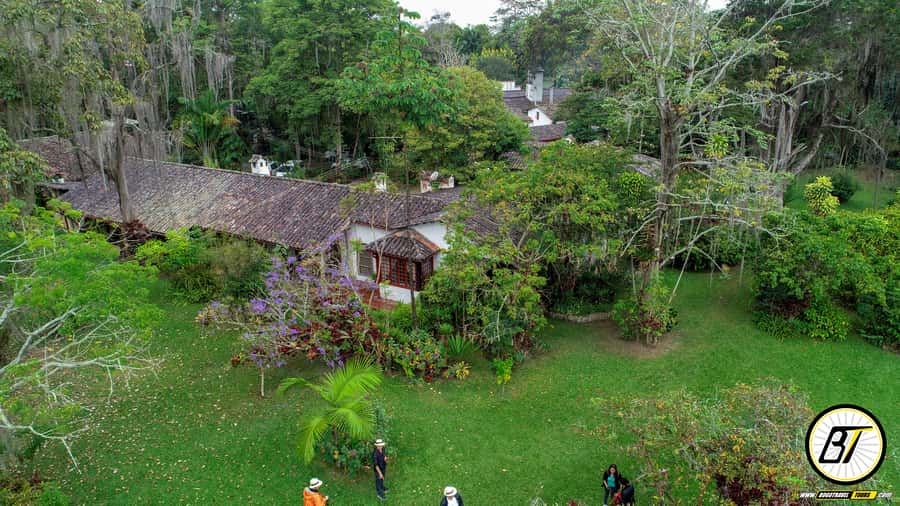
- Entering Hacienda Coloma: the finca gardens and why they matter
- Learning coffee farming basics: crops, bean types, and best picks
- Pulping, drying, roasting: the on-site production walk-through
- Coffee test time: tasting a cup and a coffee liquor moment
- Fruit market-style stop: typical fruits and passion fruit sampling
- Lunch near town: typical Colombian food after the farm time
- Price and value: is $1,146 per person worth it?
- Who should book (and who should skip it)
- Booking advice: what to ask before you go
- Should you book this Bogotá to Hacienda Coloma coffee tour?
- FAQ
- How long is the coffee tour from Bogotá?
- What’s included in the experience besides transportation?
- Is hotel pickup and drop-off included?
- What should I bring for the day?
- Is it wheelchair accessible?
- Can I cancel for a full refund?
Key things I’d circle on your plan
- Hacienda Coloma access with a specialized coffee advisor inside the plantation
- Coffee process lessons you can picture: pulping, drying, and roasting on site
- Coffee test + coffee liquor tasting included, not an extra add-on
- A fruit market-style stop with typical Colombian fruits and passion fruit
- Typical Colombian lunch included after the farm time
- Private hotel pickup and drop-off for a smoother day than public transport
Not done with the cup yet? More coffee farm days within reach of Bogotá


Bogotá to Hacienda Coloma: how the day starts in the car
This tour is built as a true day trip: you leave Bogotá, head to Fusagasugá in Cundinamarca, then return to your hotel. Total time is listed at 8 hours, and you’ll want to treat this like a full working-day outing—farm time, tastings, and lunch all take their place.
Pickup is included from your hotel, with a simple routine: wait in the lobby about 10 minutes before the scheduled pickup time. Since it’s a private group and you ride directly with your own transportation, you avoid the “stand around and hope” feeling that comes with some shared tours.
Now the road reality. Fusagasugá is described as about one hour away from Bogotá, with an average temperature around 20°C. That said, one recent experience mentioned a longer drive time (around 2.5 hours each way) due to traffic work. So plan your expectations accordingly: if your schedule is strict, this is the part that can stretch the day.
Practical tip: wear shoes you can walk in on uneven ground. The tour also asks you to bring sunscreen and comfortable clothes—this matters because you’ll likely spend time outdoors around the coffee plantation and gardens.
Entering Hacienda Coloma: the finca gardens and why they matter
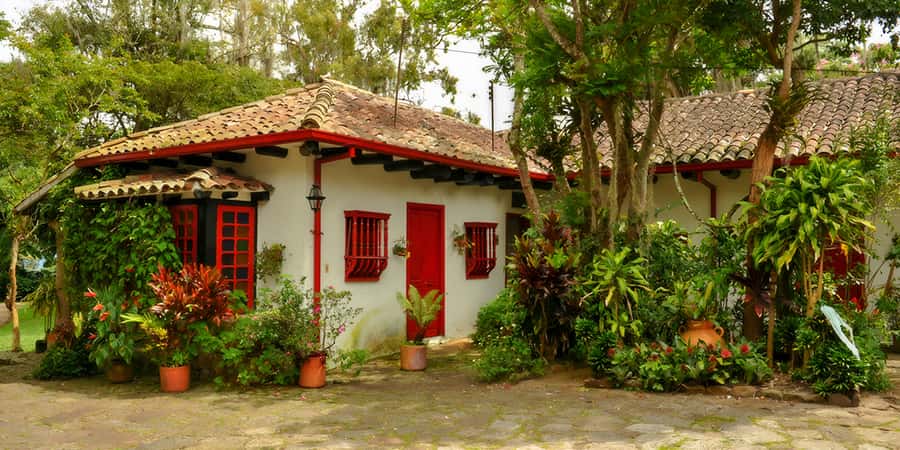
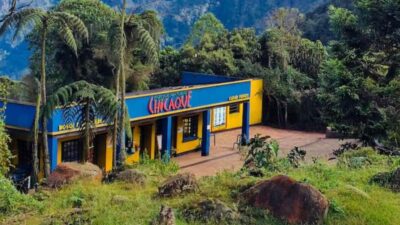
The experience starts at the coffee plantation at Hacienda Coloma. It’s a private, working-style hacienda where you’re welcomed by Colombian coffee producers. That word—producers—matters. You’re not just touring a museum. You’re visiting a place tied to how coffee is made and why the work is done a certain way.
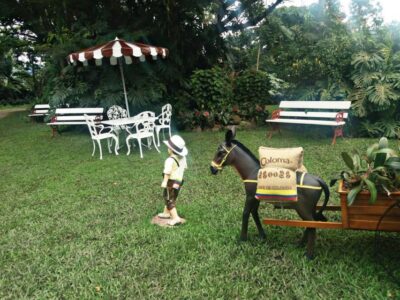
You also begin surrounded by a garden setting with native plants from the region. You’ll see examples like orchids, bromelia, cacao, and bamboo. This isn’t just “pretty scenery.” It’s a quick way to connect coffee to the broader growing environment. Coffee doesn’t exist in isolation; the finca’s plants and micro-ecosystem influence what happens in the shade, the airflow, and the overall farm management.
For you as a visitor, the garden portion gives a soft landing before the technical coffee part. It makes it easier to pay attention when the tour turns to bean varieties, processing, and plant health.
Learning coffee farming basics: crops, bean types, and best picks
Once you’re on the plantation, the focus shifts from the setting to the product. You’ll get an explanation of coffee culture: the different types of coffee crops, plus the different colors and sizes of beans you might see. That sounds simple, but it changes how you look at coffee back home. Instead of treating every bag as the same category, you start noticing what farmers mean by variety and quality.
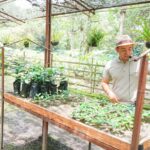
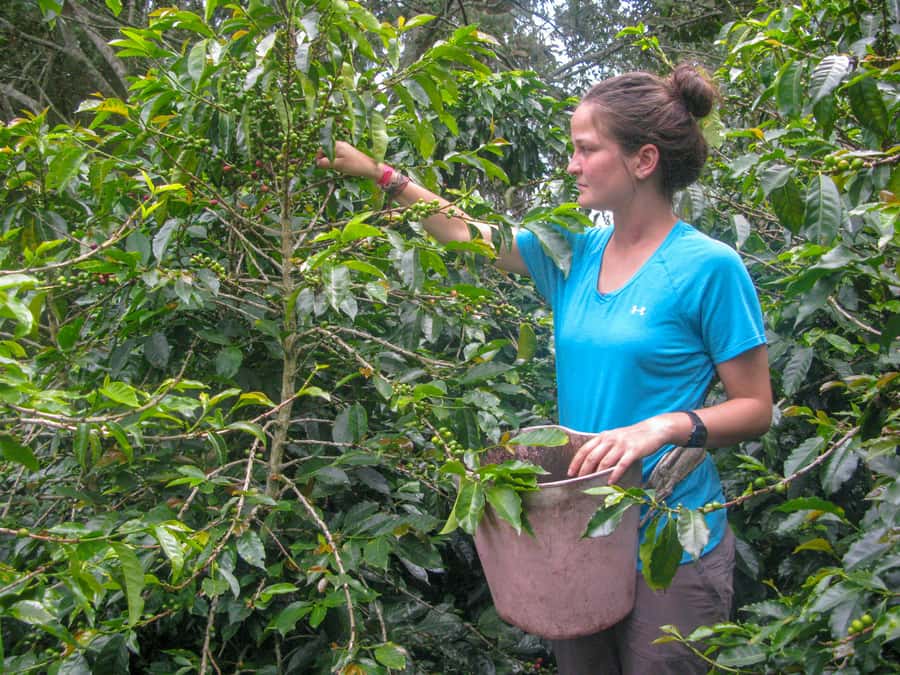
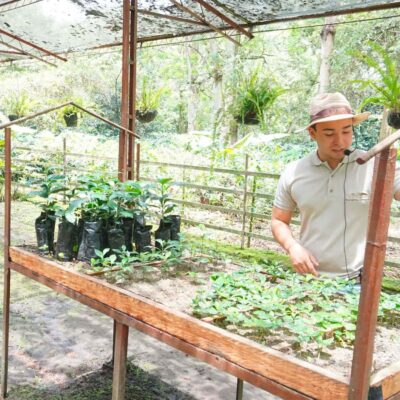
You’ll also learn how to pick coffee and how to identify the best beans from the plants. This is one of those moments that’s easy to underestimate. When you see coffee bushes up close, it becomes obvious why picking matters. Bean condition affects everything downstream: quality during drying, consistency in roasting, and the final cup.
Then the tour adds the less romantic but very real side of farming: the natural enemies of coffee (parasites) and mutations of coffee plants. Coffee quality is not only about good weather and good intentions. It’s also about dealing with biology. Even if you’re not growing coffee yourself, understanding this gives context for why roasters and farms talk about resilience and plant management.
If you like practical science—how plants grow, what can go wrong, and what farmers do about it—this section is where the day earns its ticket price.
Pulping, drying, roasting: the on-site production walk-through
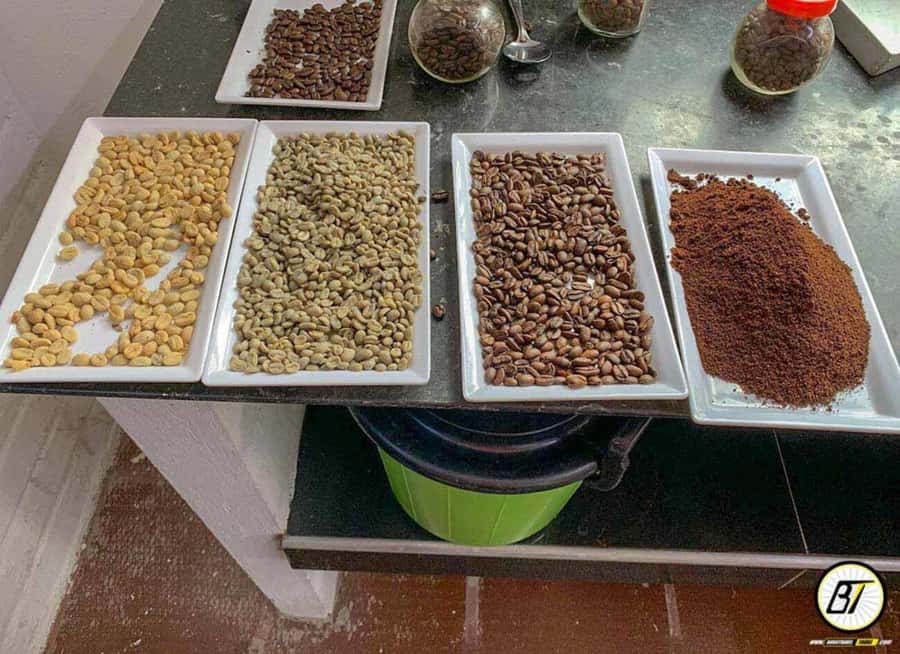
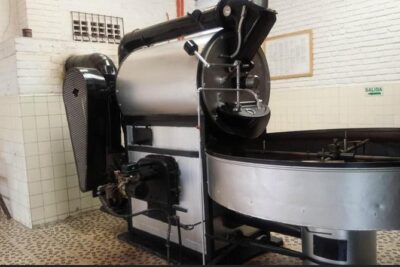
After the crop and plant lessons, you move into how coffee is produced. The tour includes an explanation of the process stages you’d see on a real farm: pulping, drying, and roasting. The key detail here is that the roasting is inside a real roastery section on the plantation.
That matters more than it sounds. When roasting is described in a separate building, it can feel like an abstract “then someone roasts it.” Here, the farm walk connects the stages: what happens after picking, what changes during drying, and how roasting fits into the final flavor profile.
For you, the big benefit is mental mapping. By the end, you can look at a bag of coffee and connect it to real steps: the fruit handling, moisture control during drying, and the roast that transforms chemicals into the taste you smell in the cup.
And because this is a private group, you can usually ask questions without waiting your turn. That’s a quiet advantage, especially if you’re curious about specifics like how processing affects acidity or sweetness (those kinds of questions are the natural fit for a production-focused explanation).
More guided Bogotá tours with a rolo local up front
- From Bogota: La Chorrera Waterfall Guided Hike★ 4.9 · 46 reviews
- Bogotá: Private Guided Tour with Monserrate & La Candelaria★ 4.7 · 41 reviews
- Private Guided Tour of Colombia’s Paso Fino Horse★ 5.0 · 37 reviews
- Bogotá: City Tour with Monserrate Hill, transfers and guide★ 4.9 · 25 reviews
Coffee test time: tasting a cup and a coffee liquor moment
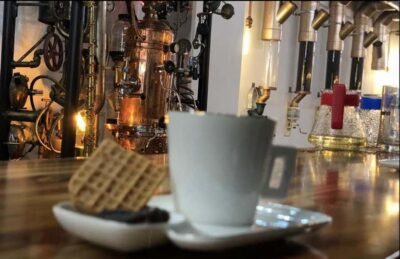
At some point, you reach the fun part that makes all the earlier lessons click: the coffee tasting. A coffee cup test is included, and you’ll sample a good quality coffee as part of the experience.
The tour also includes coffee liquor tasting. That’s a distinctive add-on compared with many basic coffee tours. It gives you a second way to experience coffee flavors—separate from your usual routine of brewing beans.
How to get the most from the tasting: go slow, smell first, then taste. Try to connect what you just learned—bean differences, processing steps, roasting—with what you perceive in the cup. Even if you’re not a coffee nerd, you’ll likely notice that coffee tastes aren’t just random. They have a trail back to decisions made in the fields and the roastery.
Fruit market-style stop: typical fruits and passion fruit sampling
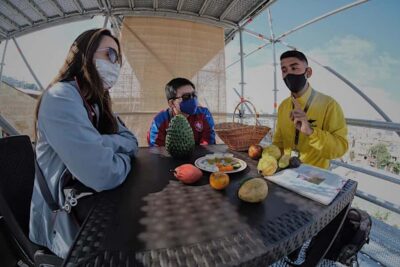
Coffee work can be intense for the senses. So it’s smart that the tour includes a fruit testing section. You’ll visit a typical fruit market and do a tasting, along with an explanation of the most typical Colombian fruits.
Passion fruits are explicitly included. That’s a nice choice because passion fruit has a clear, memorable character, and it’s easier to compare it to other fruits after you’ve tasted it on the spot.
This segment also helps balance the day. If coffee makes you focus on bitterness and roast notes, fruit reintroduces acidity, sweetness, and texture. It turns the outing into a broader Colombian food experience rather than a one-track caffeine event.
Lunch near town: typical Colombian food after the farm time
Lunch is included as a typical Colombian meal, served after the farm and tasting components. This timing matters. You’ll likely have walked and listened for hours, and a real meal helps you reset before the return ride.
The practical angle: you should come hungry, but don’t assume it will be heavy enough to fully replace dinner plans. Think of it as part of the tour rhythm. The day is packed with tastings, so your appetite may already be partially “managed” by the samples.
Dietary details like vegetarian or allergies are not listed in the provided info. If that’s relevant for you, contact the operator ahead of time and ask what can be accommodated.
Price and value: is $1,146 per person worth it?
Let’s talk real value, not just sticker price. The listed price is $1,146 per person for an 8-hour private tour. On paper, that can sound steep until you break down what you’re actually buying.
You’re paying for:
- Private hotel pickup and drop-off in Bogotá (door-to-door convenience)
- Transportation from Bogotá to Fusagasugá and back
- Private access to the coffee plantation (Hacienda Coloma)
- A local bilingual guide (English–Spanish)
- A specialized coffee advisor on the plantation
- Coffee tasting plus coffee liquor tasting
- A typical fruit market stop with fruit explanation and tasting (including passion fruit)
- Typical Colombian lunch
Most important: the “private” part. When it’s private, you’re not sharing guide time with a large group, and you’re not stuck doing the loudest group’s pace. That tends to improve the experience, especially for tours that depend on explanation like this one.
So who gets good value? People who want more than a quick photo stop and actually want to learn. If you like hands-on food education, you’ll likely feel the pricing fits. If you’re looking for only casual scenery and a short walk, you might find a cheaper tour with less time investment.
Who should book (and who should skip it)
This is a strong fit if you:
- Love coffee and want the farming-to-processing-to-tasting link explained in plain terms
- Prefer a private group experience where questions can happen naturally
- Enjoy food pairings, not just one main attraction (coffee plus fruit plus lunch)
- Want a guided day trip out of Bogotá without having to organize everything yourself
Based on the tour info, it is not suitable for hearing-impaired people. It is listed as wheelchair accessible, which is a big plus for people who need that detail spelled out.
One more thing: the day includes walking and outdoor time. Comfortable shoes and sunscreen are not optional here. If you’re sensitive to heat or sun, plan accordingly.
Booking advice: what to ask before you go
Before you book, I’d ask the operator two practical questions:
- Will your schedule be affected by typical traffic patterns on the day you’re traveling? (Given that the drive can run longer, it helps to know what to expect.)
- Are there any options for lunch or tasting adjustments if you have allergies or dietary restrictions? The tour data doesn’t specify these, so you’ll want clarity.
If you like specifics, you can also ask what language setup you’ll get and who will be guiding on the plantation. In one recent case, a guide named Jessica was singled out as fantastic and very informative—so good guides seem to be part of the experience.
Should you book this Bogotá to Hacienda Coloma coffee tour?
If you want a coffee day trip that teaches you how coffee gets from plant to process to cup, I think it’s an easy “yes.” The combination of plantation access, a specialized advisor, and tastings (including coffee liquor) makes the day feel complete, not rushed.
I’d only hesitate if you hate long car rides or your time is tight. Since the route can stretch beyond the stated travel time depending on traffic work, this is best for people who can afford a slightly elastic schedule.
FAQ
How long is the coffee tour from Bogotá?
The total duration is 8 hours. Starting times depend on availability.
What’s included in the experience besides transportation?
You get access to the Hacienda Coloma coffee plantation, a bilingual guide (English–Spanish) plus a specialized coffee advisor on site, a coffee tasting and coffee liquor tasting, a fruit market visit with fruit testing and explanations (including passion fruit), and a typical Colombian lunch.
Is hotel pickup and drop-off included?
Yes. Private transportation is included from your hotel in Bogotá, and you should wait in the lobby about 10 minutes before the scheduled pickup time. You’ll also be returned to your hotel.
What should I bring for the day?
Bring comfortable shoes, sunscreen, and comfortable clothes.
Is it wheelchair accessible?
Yes, it is listed as wheelchair accessible.
Can I cancel for a full refund?
Yes. You can cancel up to 24 hours in advance for a full refund.
More Tours in Bogota
- Bogota: Bicycle City Tour
★ 4.9 · 2,156 reviews - Zipaquirá: Salt Cathedral Group Tour with Pickup
★ 4.8 · 1,606 reviews - Bogotá: Guided La Candelaria Walking Tour
★ 4.8 · 1,229 reviews - Bogotá: Private City Tour, Monserrate, Emerald and Botero
★ 4.9 · 798 reviews - Bogotá´s Barrios: El Paraíso Favela Tour with Cable Car
★ 4.8 · 731 reviews - Bogota: Guatavita and Salt Cathedral Daily Group Tour
★ 4.7 · 615 reviews
More Tour Reviews in Bogota
- Bogota: Bicycle City Tour
★ 4.9 · 2,156 reviews - Zipaquirá: Salt Cathedral Group Tour with Pickup
★ 4.8 · 1,606 reviews - Bogotá: Guided La Candelaria Walking Tour
★ 4.8 · 1,229 reviews - Bogotá: Private City Tour, Monserrate, Emerald and Botero
★ 4.9 · 798 reviews - Bogotá´s Barrios: El Paraíso Favela Tour with Cable Car
★ 4.8 · 731 reviews - Bogota: Guatavita and Salt Cathedral Daily Group Tour
★ 4.7 · 615 reviews
More Coffee Farm Days near Bogotá
- From Bogotá: Coffee Farm and Tequendama Falls Tour
★ 4.5 · 130 reviews - Bogota: Colombian Coffee Tasting
★ 4.8 · 92 reviews - Coffee Farm Experience Private Day Tour
★ 5.0 · 81 reviews - Coffee tasting experience at Divino Café Especial
★ 5.0 · 57 reviews - VIP Layover Bogota City Tour: Monserrate, Candelaria, Coffee, 6hr
★ 5.0 · 45 reviews - Exclusive Coffee Experience:Tour from Bogotá
★ 4.5 · 45 reviews
Fresh off the review pile: more Bogotá tours to weigh up
Coffee Farms near Bogota, compared.
 ★ 4.5From Bogotá: Coffee Farm and Tequendama Falls TourFrom $85130 reviews
 ★ 4.8Colombian Coffee TastingFrom $2592 reviews
 ★ 5.0Coffee Farm Experience Private Day TourFrom $11081 reviews
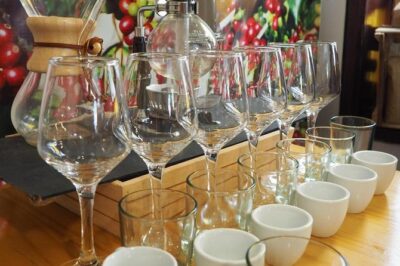 ★ 5.0Coffee tasting experience at Divino Café EspecialFrom $3357 reviews
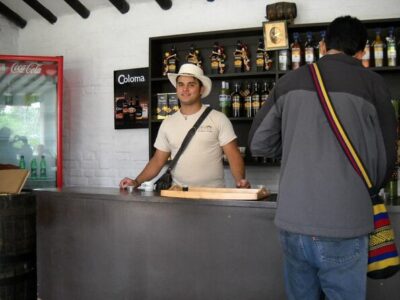 ★ 4.5Exclusive Coffee Experience:Tour from BogotáFrom $14045 reviews
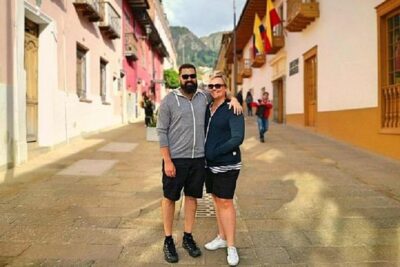 ★ 5.0VIP Layover Bogota City Tour: Monserrate, Candelaria, Coffee, 6hrFrom $4445 reviews
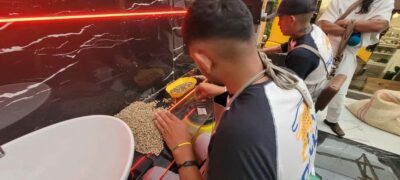 ★ 4.1Coffee Tasting Experience Tour with Exotic VarietiesFrom $3213 reviews
 ★ 5.0Tequendama Falls and Coffee Hacienda Day Trip from BogotáFrom $15012 reviews
Browse the lists this tour appears in