
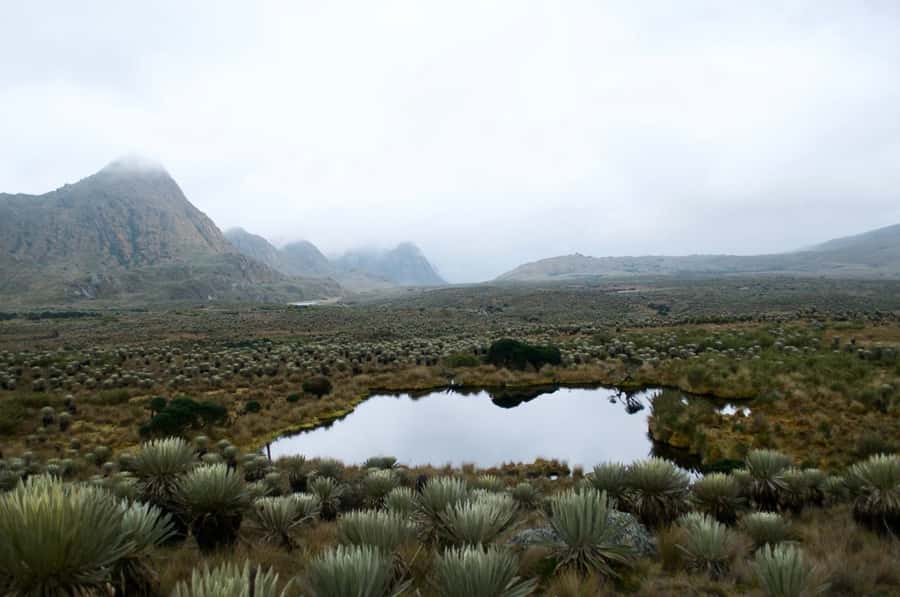
Reviewed · ANDEAN HIKES, PARAMOS & WATERFALLS
Bogotá: Sumapaz National Park Hike Tour
High-altitude quiet starts fast. This Bogotá day hike takes you into Sumapaz National Park at 3,500–4,000 m, one of the world’s biggest Andean páramos, where mist, mud, and big views come with real meaning. I especially like how the tour mixes the physical hike with practical lessons about páramo plants and water sources, and I love the guide-led storytelling tying the ecosystem to Chibcha indigenous myths and pre-colonial traditions.
One consideration: it runs in all weather, so you should expect cold, mist, and muddy ground. If you’re not into wet boots and slippery footing, plan for the conditions and wear clothing you’re okay getting damp.
In This Review
- Key highlights to look forward to
- Entering the Sumapaz Páramo: Why This Hike Feels Different
- From Bogotá Pickup to the High Plateau: Your Day Timeline
- The Hike Itself: Muddy Trails, Mist, and Páramo Plants
- Chibcha Myths and the Human Side of the Andes Plateau
- Why Paramos Preservation Isn’t a Talking Point
- Private Group Format: More Conversation, Less Rush
- Price and Value: What $136 Includes (and Why It’s Not Just a Random Hike)
- What to Pack for a Páramo Hike (Cold Sunscreen Included)
- Who This Tour Suits Best
- Should You Book This Sumapaz National Park Hike Tour?
- FAQ
- How long is the Bogota: Sumapaz National Park hike tour?
- Where is the tour located?
- What altitude range will we reach?
- Is the tour private?
- What languages are available for the live tour guide?
- Are hotel pickup and drop-off included?
- What’s included in the price?
- What is not included?
- What should I bring?
- Does the tour run only in good weather?
- Is cancellation flexible?
Key highlights to look forward to
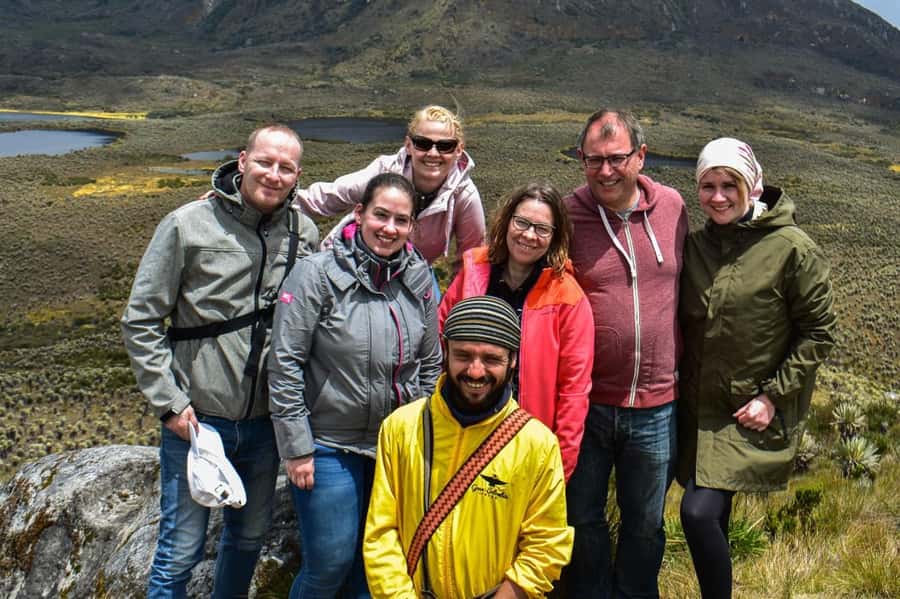
- 3,500–4,000 m altitude hiking in one of the largest Andean páramos
- Trekking through the 178,000-hectare Sumapaz reserve on remote trails
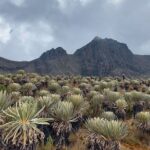
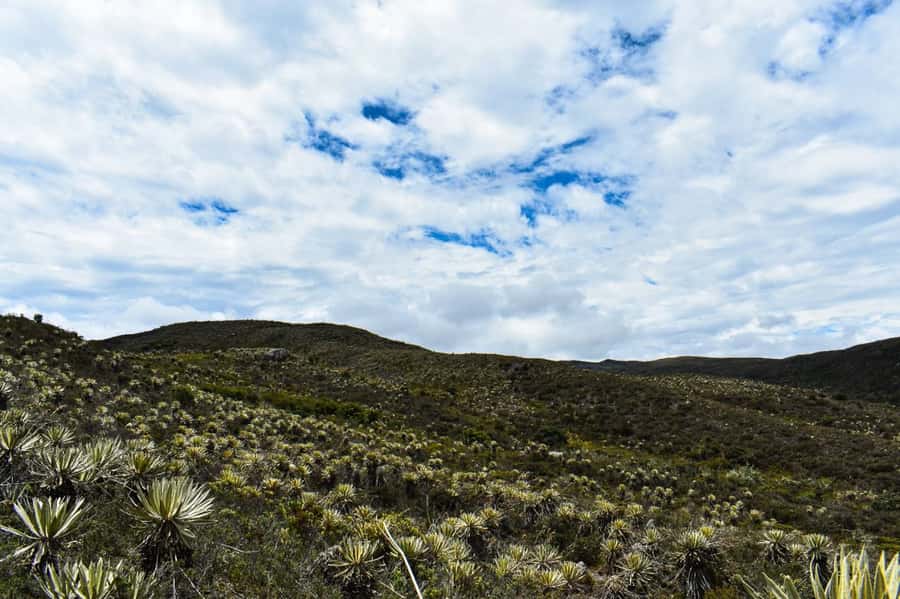
- Frailejones and páramo plant sights, including very tall specimens you may spot
- Water wells, mist, and big plateau views that change by the minute
- Guide stories on Chibcha myths and how indigenous traditions connect to land
- Hands-on preservation context for why this ecosystem matters for the region
Boots still on? More páramo hikes and waterfall trails above the city
Entering the Sumapaz Páramo: Why This Hike Feels Different
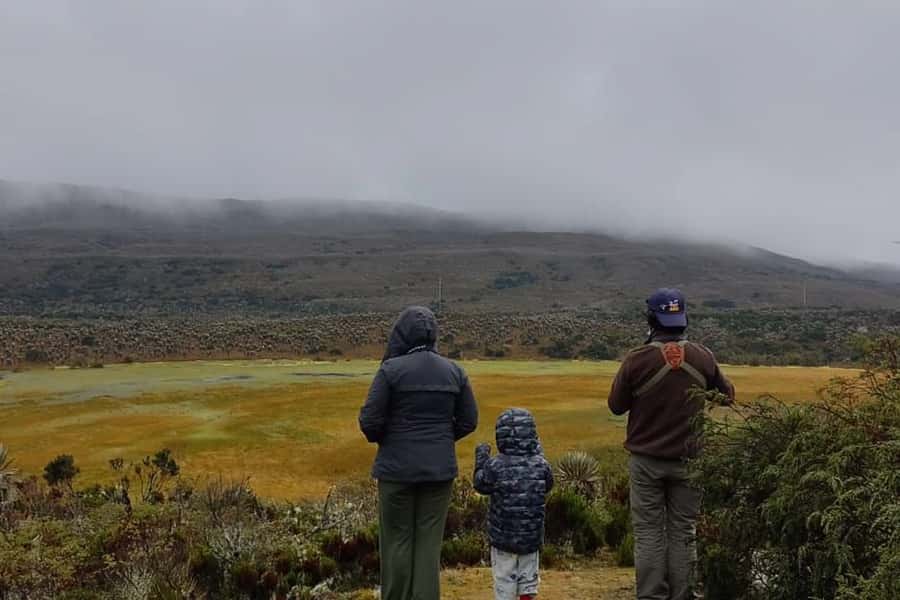
If you’ve only heard of Colombia as cities and coffee tours, Sumapaz is a good reality check—in the best way. This is high plateau country, not a gentle daywalk. The air is thin enough to make you slow down, and the environment is shaped by the páramo’s cold, cloudy rhythm. You’ll travel out of Bogotá and into a world where water, plants, and people’s stories are tied together.
What makes this hike compelling is that it’s not just scenery photography time. You’ll learn why the páramo is so important—especially its role in capturing and regulating water for the surrounding region. That matters because páramos aren’t just “pretty wilderness.” They’re living infrastructure. When they’re protected, downstream communities benefit; when they’re disturbed, the effects ripple outward.
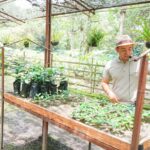
Also, the guide component is a big part of the value. Some guides have brought extra personality and clarity—people like Liz, Kata, Emilio, and Alexander have stood out for sharing detailed information in a way that keeps the hike moving. One guide, Bernard, has been known to share a locally made drink and snack afterward, with his cat Coco tagging along. You might not get the same animal cameo every time, but it’s a good signal of the tone: local, human, and easy to engage with.
The day moves at a real pace, though. You’ll be walking through damp terrain, and the terrain can be surprisingly slick. Bring patience for the mud and mist, and you’ll enjoy the experience much more.
From Bogotá Pickup to the High Plateau: Your Day Timeline
The tour is designed as a full 8-hour outing. It starts with pickup from your Bogotá hotel, hostel, Airbnb, vacation rental, or a nearby point of interest. They ask you to be ready about 10 minutes before the scheduled pickup time, which is standard for day tours but still worth respecting—this is a remote-area drive.
You’ll then head toward the Sumapaz region. That drive matters more than people think. You’re going from a city environment to an ecosystem that sits at 3,500–4,000 meters (around 13,000 feet). Higher altitude changes how quickly you feel effort, how easily you get thirsty, and how quickly weather shifts. The point isn’t to scare you—it’s to help you plan your mindset. Expect to move slower than you would at sea level.
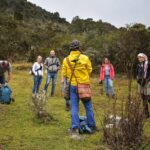
Once you arrive, the walking begins. The tour starts with a walk up through the slopes of the 178,000-hectare haven. This first push sets the tone: it’s not a flat stroll, and it’s not a “quick look and go” type of visit. You’re there to experience the páramo’s character, from the ground-level feel of the trail to the way mist can swallow and reveal the horizon.
Then, after the hike, you’ll rest your feet and ride back to Bogotá. The whole structure supports a simple idea: travel out, work up an appetite for the views, learn as you go, then get you back safely and on time.
The Hike Itself: Muddy Trails, Mist, and Páramo Plants
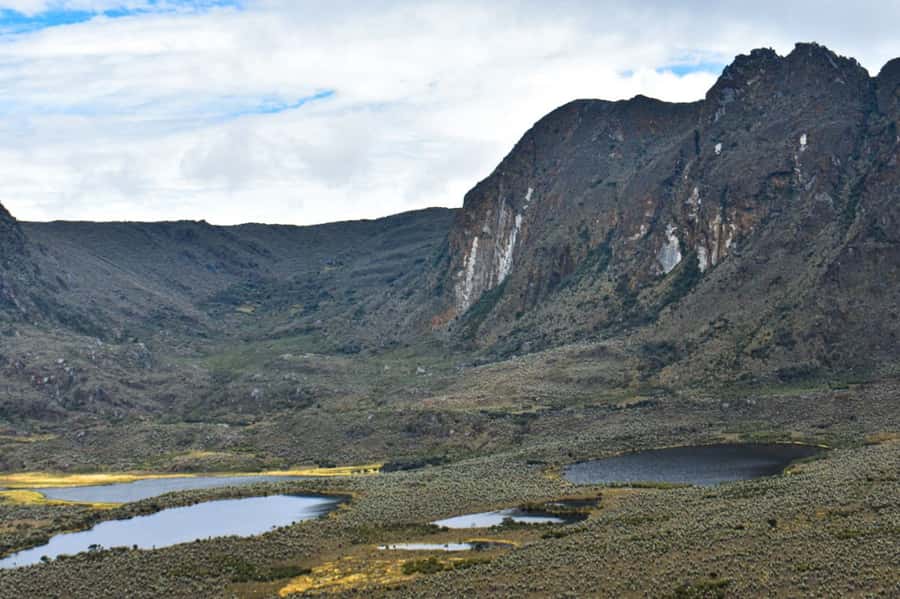
The core of the day is the hike inside Sumapaz National Park. You’ll trek through a landscape that can be wet and muddy—so the “what to bring” list is not optional advice. The tour specifically notes that waterproof footwear isn’t included, which is a polite way of saying you’ll want to be prepared for damp ground.
Altitude plus wet terrain is a combo that tests your footing. You don’t need to turn it into a slog, but do yourself a favor: plan on steady steps, keep your balance, and don’t race for photos. In this kind of environment, rushing usually means slipping.
As you climb, you’ll have the chance to marvel at the misty plateau look. Mist is part of the páramo. Some moments will be clear enough for sweeping views over the Andes; other moments will feel like you’re walking through a cloud. That change isn’t a “bad forecast” so much as how the ecosystem behaves.
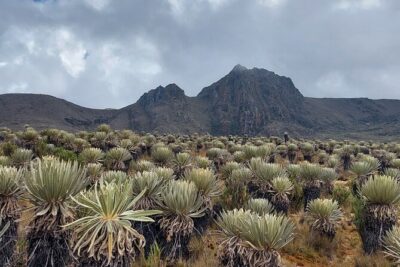
One of the best-known páramo plant stars is the frailejón. The tour experience includes the chance to see very tall specimens (and at least one guide moment included exactly that). Frailejones aren’t just flowers-on-a-poster. They’re adapted to cold, strong light, and the water-holding needs of the high plateau. When you’re out there, you can understand why people treat this place like something alive—not just land on a map.
You’ll also encounter water wells and learn how the páramo supports water availability. It’s easy to take water for granted when you live in a city. In Sumapaz, water becomes the story. The ground, the vegetation, the mist—everything points back to the páramo’s role in capturing and releasing water over time.
If you’re the type who likes to check off “I saw X,” you’ll do that here. But if you like meaning behind the photos, you’ll like it even more. The guide helps connect what you see—plants, moisture, and plateau conditions—to why preservation matters.
Chibcha Myths and the Human Side of the Andes Plateau
This is where the tour earns extra points. The hike includes stories from your guide about indigenous traditions practiced before colonization, including Chibcha myths and history connected to the land.
That matters because the páramo isn’t just an environmental topic. It’s also cultural memory and identity. Indigenous communities developed ways of reading the terrain—what it means, what it provides, and what happens when humans interrupt it. When your guide shares those connections, the hike turns into something deeper than a workout with views.
You’ll also hear about the social and political challenges the páramos have faced. That’s an important nuance. Preservation isn’t only about fences and rules. It’s also about livelihoods, land use pressures, and the reality that protecting ecosystems can create conflicts over how people live now.
Some guides are especially good at explaining this without turning it into a lecture. Emilio, for example, has been noted for weaving history and regional context into the walk. José has been praised for staying attentive and patient while explaining what people were seeing. Those details matter because on a long hike, you want learning that keeps pace with where you are—not information dumped at the start and forgotten by the end.
In practical terms: if you enjoy guides who point out plants, answer questions, and connect the ecosystem to human stories, you’ll probably feel in good hands here.
- Bogota: Bicycle City Tour★ 4.9 · 2,156 reviews
- Zipaquirá: Salt Cathedral Group Tour with Pickup★ 4.8 · 1,606 reviews
- Bogotá: Guided La Candelaria Walking Tour★ 4.8 · 1,229 reviews
- Bogotá: Private City Tour, Monserrate, Emerald and Botero★ 4.9 · 798 reviews
Why Paramos Preservation Isn’t a Talking Point
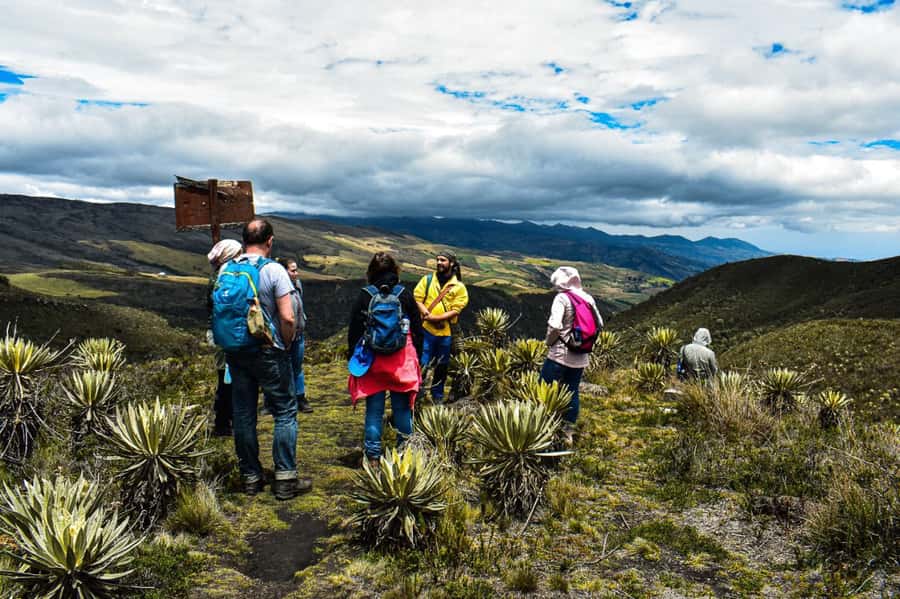
Let’s be honest: “preservation” can sound like a slogan. On this tour, it becomes something more grounded because you see the ecosystem up close and hear why it’s hard to replace.
The tour focuses on the environmental importance of the páramo ecosystem and how it supports the stability of the region. The logic is simple. Páramos help regulate water. They also protect soil and maintain ecological balance in a harsh climate zone. When páramos degrade, water systems and surrounding ecosystems can shift in ways that affect people farther away than you’d expect.
That’s part of why this hike is worth doing with a guide instead of just going alone. You’ll get the explanation tied to the actual things you’re walking through: the plants’ role, the moisture conditions, and why the ecosystem is rare.
You’ll also hear that preservation comes with challenges—social and political ones. That gives you a more realistic picture. It’s not only a “nature conservation = good” story. It’s a complex issue involving decisions people have to make.
And in the middle of that heavy topic, you get the best kind of break: a day out in cool air, looking at frailejones, spotting water features, and letting the clouds do their changing-mind trick.
Private Group Format: More Conversation, Less Rush
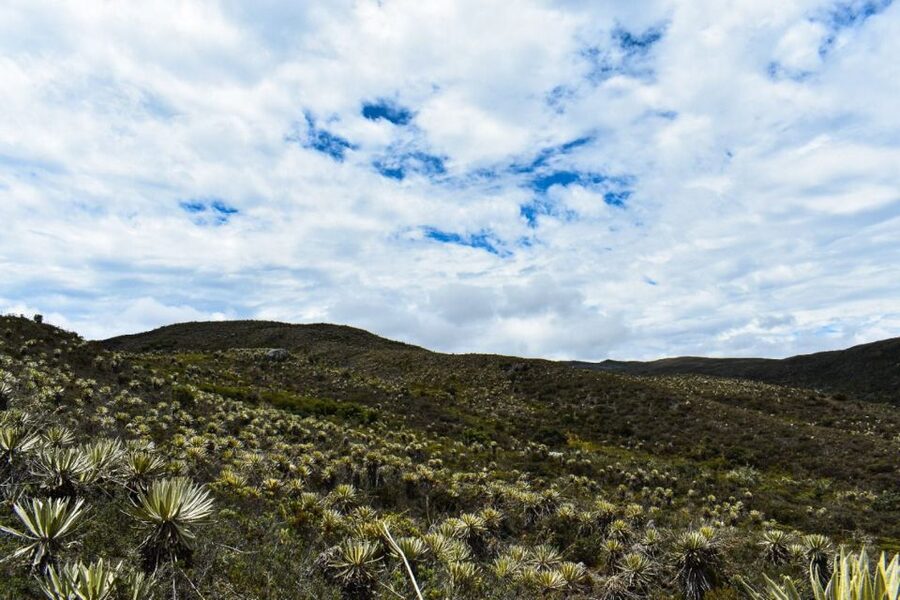
This is set up as a private group. That single detail changes the vibe. You’re not stuck waiting for someone slow or juggling noise from a larger pack. It usually means the guide can tailor pacing and explanations to the group’s questions and comfort level.
It also helps with the remote setting. When you’re far from crowds, the guide’s knowledge becomes your compass—especially when weather shifts and visibility changes. You’ll want someone who can explain what you’re seeing even when the mist reduces the “big scenic panorama” moments.
From the guide side, the reviews you were given suggest guides vary in style—some are very funny, some more story-driven, some focused on plant ID and science. With a private group, it’s easier for that style to land well because you’re not competing for attention with a dozen voices.
If you like a more personal hike, this format is a strong point.
Price and Value: What $136 Includes (and Why It’s Not Just a Random Hike)
The price is listed as $136 per person, for a 8-hour day tour. For that cost, you get more than a guide and a map.
Included basics:
- Guide
- Hotel pickup and drop-off in Bogotá
- Entry to Sumapaz and hike inside the Natural Park
- All risk insurance
Those inclusions matter in a remote location. Entry fees, insurance, and transport time add up quickly on day trips like this. Plus, the guide isn’t just along for safety—they’re part of what you’re paying for: the plant and ecosystem explanation, the páramo preservation context, and the indigenous stories.
What’s not included:
- Breakfast and lunch
- Waterproof footwear
- Extra purchases
So I’d plan your day like this: eat beforehand in Bogotá (especially because the tour takes place in a remote area), and bring snacks and water. Even if you’re not a “snack person,” you’ll be glad to have something quick to steady you during a high-altitude hike.
If you want the cheapest possible activity, this isn’t that. But if you want an organized, guided day to a high-altitude páramo with pickup, entry, and insurance included, it’s fairly priced for what you’re getting.
What to Pack for a Páramo Hike (Cold Sunscreen Included)
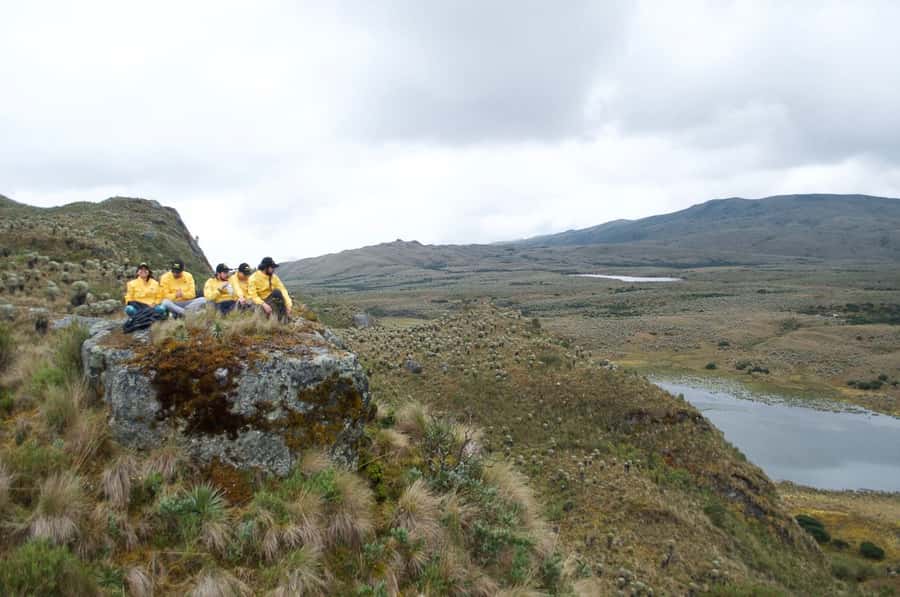
The tour is clear about what you should bring, and I agree with all of it.
Bring:
- Camera
- Sunscreen
- Water
- Weather-appropriate clothing
Also think practically:
- The tour runs in all weather conditions, so dress for cold and mist.
- Expect muddy ground, and since waterproof footwear isn’t included, you should wear something that handles damp trails.
- Hydration matters even if it feels cold. The tour explicitly recommends drinking water, and on altitude you’ll notice dehydration faster than you want.
One sneaky factor: light at altitude can be intense. Sunscreen still matters when you feel chilly. Your skin doesn’t read your mood.
Who This Tour Suits Best
This hike is a strong match if you:
- Want an Andean high-altitude experience, not a casual stroll
- Like learning from guides who connect plants, water, and culture
- Enjoy remote places where you might not see many people at all (and the tour description clearly sets you up for that kind of day)
- Prefer a private group setup for a calmer pace and more conversation
It may be less ideal if you:
- Hate wet, muddy trails or struggle with slipping terrain
- Need very easy walking with minimal changes in conditions
If you fall into the “I’ll manage” category, just take it seriously: bring waterproof shoes, pack snacks, and take it slow at altitude.
Should You Book This Sumapaz National Park Hike Tour?
If you want a meaningful Bogotá day that goes beyond museums and viewpoints, I’d say yes, book it. The combination of high-altitude páramo hiking, guide storytelling about Chibcha myths and pre-colonial traditions, and clear explanation of why páramo preservation matters gives you a complete experience—not just a workout with photos.
The main reason not to book is practical: the hike happens in all weather and involves muddy trails at 3,500–4,000 m. If you’re prepared for cold, wet conditions and you pack sensible footwear and hydration, this is the kind of tour that stays with you.
If you want a straightforward plan: eat beforehand, wear waterproof footwear, bring sunscreen and water, and let the guide handle the learning. You’ll spend the day in a rare ecosystem—and you’ll understand it, not just pass through it.
FAQ
How long is the Bogota: Sumapaz National Park hike tour?
The duration is 8 hours.
Where is the tour located?
It takes place in Cundinamarca, Colombia, at Sumapaz National Park.
What altitude range will we reach?
The hike includes heights between 3,500 and 4,000 meters above sea level.
Is the tour private?
Yes, it’s listed as a private group.
What languages are available for the live tour guide?
The tour offers live guidance in English and Spanish.
Are hotel pickup and drop-off included?
Yes. Pickup is included from your hotel, hostel, Airbnb, vacation rental, or a point of interest in Bogotá, and you’ll be dropped back at your accommodation.
What’s included in the price?
Included items are the guide, hotel pickup and drop-off, entry to Sumapaz, the hike inside the natural park, and all risk insurance.
What is not included?
Breakfast and lunch are not included, waterproof footwear is not included, and extra purchases are not included.
What should I bring?
Bring a camera, sunscreen, water, and weather-appropriate clothing.
Does the tour run only in good weather?
No. The tour operates in all weather conditions, so you should dress appropriately for cold and misty conditions.
Is cancellation flexible?
Yes. Free cancellation is available up to 24 hours in advance for a full refund.
More Tour Reviews in Bogota
- Bogota: Bicycle City Tour
★ 4.9 · 2,156 reviews - Zipaquirá: Salt Cathedral Group Tour with Pickup
★ 4.8 · 1,606 reviews - Bogotá: Guided La Candelaria Walking Tour
★ 4.8 · 1,229 reviews - Bogotá: Private City Tour, Monserrate, Emerald and Botero
★ 4.9 · 798 reviews - Bogotá´s Barrios: El Paraíso Favela Tour with Cable Car
★ 4.8 · 731 reviews - Bogota: Guatavita and Salt Cathedral Daily Group Tour
★ 4.7 · 615 reviews
More Páramo & Cloud Forest Parks
- From Bogotá: Chingaza National Park Eco Tour
★ 4.7 · 28 reviews
More Páramo Hikes & Waterfall Trails
- From Bogotá: Coffee Farm and Tequendama Falls Tour
★ 4.5 · 130 reviews - Sumapaz Páramo Private Hike Tour
★ 5.0 · 52 reviews - Hiking to the largest paramo on earth : Sumapaz
★ 5.0 · 49 reviews - From Bogota: La Chorrera Waterfall Guided Hike
★ 4.9 · 46 reviews - From Bogotá: Chingaza National Park Eco Tour
★ 4.7 · 28 reviews - FROM BOGOTA: Tour to La Chorrera, Colombia’s highest waterfall.
★ 4.7 · 21 reviews
Fresh off the review pile: more Bogotá tours to weigh up

Andean Hikes, Paramos & Waterfalls, compared.
 ★ 4.5From Bogotá: Coffee Farm and Tequendama Falls TourFrom $85130 reviews
 ★ 5.0Sumapaz Páramo Private Hike TourFrom $12152 reviews
 ★ 5.0Hiking to the largest paramo on earth : SumapazFrom $13049 reviews
 ★ 4.9From Bogota: La Chorrera Waterfall Guided HikeFrom $9746 reviews
 ★ 4.7From Bogotá: Chingaza National Park Eco TourFrom $15828 reviews
 ★ 4.7FROM BOGOTA: Tour to La Chorrera, Colombia’s highest waterfall.From $13521 reviews
 ★ 4.9Visit Colombia’s Highest Waterfalls & Guadalupe HillFrom $10320 reviews
 ★ 5.0Tequendama Falls and Coffee Hacienda Day Trip from BogotáFrom $15012 reviews
Browse the lists this tour appears in