
Reviewed · ANDEAN HIKES, PARAMOS & WATERFALLS
Hiking to the largest paramo on earth : Sumapaz
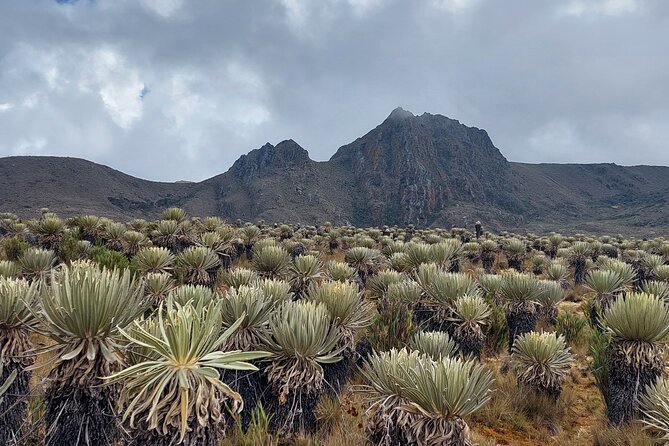
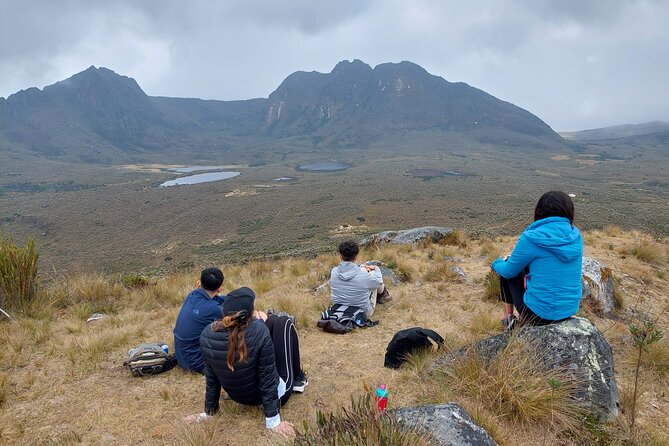
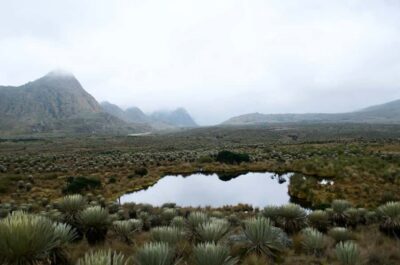
Sumapaz feels like another planet. This day trip hikes into the Parque Nacional Natural Sumapaz, the biggest high plateau on Earth, where plants and water systems survive high, cold, and often foggy conditions.
Two things I love about it: you get a small group (max 4), which makes the walk feel personal, and you’re led by guides like Juan and Andrea who clearly care about explaining how this ecosystem works. One catch to plan for: the altitude can hit fast, and the top can be windy, cold, and muddy in spots.
You’ll start in Bogotá at Panadería NicolfCra at 7:30 am, then ride out to the páramo highlands for a climb that can be tough if you rush. The good news is the pace is human, and the day is designed around stops and context, not just summit-chasing.
In This Review
- Key things you’ll notice on this Sumapaz hike
- Sumapaz Páramo: why this huge high plateau is such a big deal
- Bogotá pickup to the páramo edge: the drive you’ll actually enjoy
- Parque Nacional Natural Sumapaz: what you do and why it’s worth it
- Breakfast on the way in: fuel before your altitude math starts
- The hike itself: views, clouds, mud, and plant spotting
- Altitude reality check: how to avoid turning this into a struggle
- What small-group size really changes (beyond comfort)
- Price and value: is $130 a fair deal for Sumapaz?
- Weather and what to pack so the hike stays fun
- Who should book this Sumapaz hike
- Booking smart: your best move before you go
- Should you book the Sumapaz hike?
- FAQ
- How long is the Sumapaz hike?
- What time does the tour start?
- Where do I meet for the tour?
- What is the group size?
- Is the park admission included?
- What kind of fitness level do I need?
- Is breakfast included?
- What should I bring for the conditions?
- Do guides speak English?
- What happens if weather is bad?
- Can I get a refund if I cancel?
Key things you’ll notice on this Sumapaz hike
- Earth’s biggest high plateau experience: High, cold conditions and a rare ecosystem built to hold water.
- Small-group comfort: Max 4 people means fewer crowds and more attention from your guide.
- Breakfast that actually helps: You eat before the climb, plus you’ll get agua de panela and arepa after.
- Multiple guides, one clear vibe: People like Juan, Andrea, Gabi, and Alejandro show up repeatedly in guide stories.
- Weather matters: Cloud, rain, and wind are common here, so you need the right layers and footwear.
- Altitude is real: Some hikers report feeling it around 3500–4000 m, so slow down early.
Boots still on? More páramo hikes and waterfall trails above the city
Sumapaz Páramo: why this huge high plateau is such a big deal
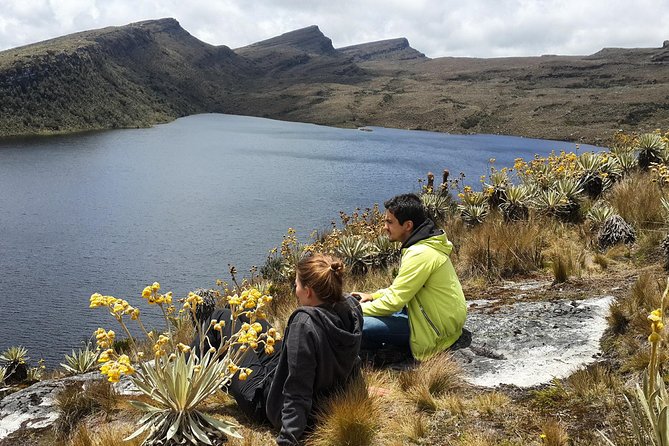
If you like nature that feels strange in a good way, Sumapaz delivers. This páramo is described as the biggest high plateau in the world, and it has a strong reason to exist beyond scenery: it’s part of the region’s water system that supports Bogotá. That theme shows up in how guides explain what you’re seeing. It’s not just pretty mist. It’s a whole survival zone.
What makes Sumapaz special is how life is adapted to constant cold, high elevation, and frequent cloud cover. As you gain altitude, the plant types shift. You start noticing that the páramo is not a random landscape. It’s an engineered-by-nature environment where the water, the ground, and the vegetation all work together.
Bogotá pickup to the páramo edge: the drive you’ll actually enjoy
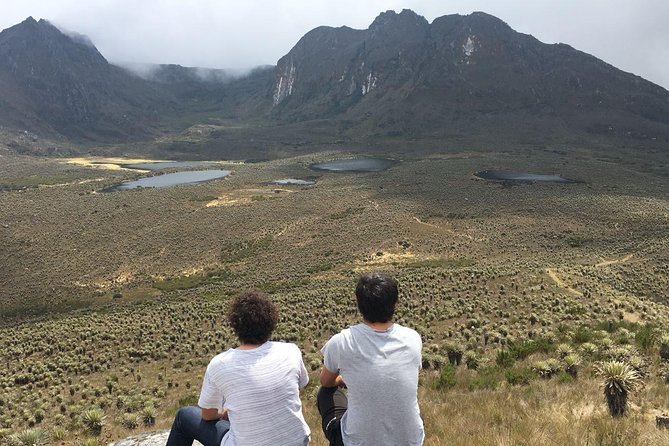
The tour starts at Panadería NicolfCra (Cra. 35a #35-99), Bogotá, at 7:30 am, and it ends back at the same meeting point. From there, you’ll ride out toward the park area in a private transfer/vehicle.
In real terms, plan for about 45 minutes to an hour to reach the highlands edge, and the full drive experience can feel closer to 1.5 hours from Bogotá depending on road conditions and where you end up starting the hike. One reason this matters: you’re leaving early, so the day feels efficient. You get to spend daylight in the páramo rather than rushing the climb at the end.
Also, this is one of those trips where the driver experience shows up in the reviews. People describe drivers as calm and confident with Bogotá streets, which reduces stress before you even start climbing.
Parque Nacional Natural Sumapaz: what you do and why it’s worth it
The core of the day takes place inside Parque Nacional Natural Sumapaz. The active park time is listed around 4 hours, though your total day is usually 6 to 8 hours when you include transport, meals, and the time needed to adjust to altitude.
What you’ll do on the trail is simple on paper: hike up, hike back down, stop for views, and learn what the páramo is doing up there. But the feeling is different because Sumapaz is high and often wet. Even when the route is not described as a long-distance grind, the gain in altitude can make it feel like more work than the distance suggests.
A helpful detail from guide-run stories: at some point, the vehicle may not go further, and you’ll begin the final part of the climb from a rural/dirt-road drop-off. You may also meet a National Park guide before continuing. That handoff matters because it usually means you’re not just hiking. You’re hiking with local context.
Breakfast on the way in: fuel before your altitude math starts
Before you climb, the day includes a traditional breakfast that’s described as delicious in multiple accounts. You might see options like costilla de res soup, paired with a local hot drink such as tinto (coffee).
This matters because altitude fatigue often shows up before you’re ready for it. A proper meal helps you pace your effort. It also makes the day feel more Colombian and less like a generic nature outing. One review even called out how the host/farm stop felt special and meaningful, not just a convenience.
After the hike, you’ll also get arepa and a warm drink like agua de panela. That combination is practical and comforting after a cold, windy climb. It’s also part of what makes the tour feel like a full day, not just a walk with a start and an end.
More treks and hikes in the hills ringing Bogotá
- Bogotá: Sumapaz National Park Hike Tour★ 4.9 · 13 reviews
- Bogota: La Chorrera Waterfall Guided Hike and Guadalupe Hill★ 5.0 · 9 reviews
- Bogota: Hike to La Chorrera Waterfall, El Chiflón and Guadalupe Hill★ 4.0 · 8 reviews
- La Chorrera and Chiflon Waterfalls Private Hike Tour★ 5.0 · 7 reviews
The hike itself: views, clouds, mud, and plant spotting
Your hike route takes you through páramo terrain where conditions can change quickly. Even when the forecast looks fine, you should be prepared for wet weather, wind, and low cloud. On top, hikers mention it can feel cold and windy, even if other parts of the day are comfortable.
The walking experience tends to include:
- a fairly early “work it” section where you gain elevation,
- periods where the trail becomes muddy or slippery,
- and enough stops for your guide to explain what you’re seeing.
One recurring praise is that the guides keep the tone friendly and relaxed. Guides such as Juan and Andrea are repeatedly described as chill, encouraging, and genuinely into the place. That matters because a páramo hike can be mentally tiring when you’re focused on breathing. A good guide helps you keep your head together.
Plant life is a highlight. People talk about the plant adaptations and how the ecosystem changes as you climb. If you enjoy learning outdoors, you’ll likely remember the plants more than the exertion.
Altitude reality check: how to avoid turning this into a struggle
This is the part I want you to respect. The tour is rated for moderate physical fitness, but altitude can upgrade the difficulty instantly. One review specifically notes the altitude can be around 3500–4000 m, and breathlessness can hit even if you’re fit.
Here’s how I’d plan your effort:
- Go slow on the first steep part. Your legs and lungs can disagree early.
- Expect you’ll need frequent pauses to catch your breath.
- Dress for cold even if the sky looks friendly, because páramos can feel raw and damp.
Some hikers recommend gear choices because conditions get wet. You’ll want waterproof layers and footwear that can handle mud and loose rock. One account even emphasized that waterproof jackets and the right shoes made the difference on a rainy day.
If you’re someone who’s looked into altitude remedies, you might also consider what one hiker described: chewing coca leaves helped them cope with the altitude during the climb. That’s not required by the tour, but it’s worth knowing as an option if you’re already familiar with it and choose to use it.
What small-group size really changes (beyond comfort)
A max group size of 4 travelers doesn’t just mean quieter photos. It changes how the day feels when you’re hiking at altitude.
With fewer people:
- Your guide can set a pace that matches you.
- You get more chances to ask questions about plants and water.
- You’re less likely to get separated when conditions turn slippery or foggy.
You can also see this in the guide stories. People often mention the hike feels personal, not like a factory line. That’s a real value boost on a trip that depends on weather and pacing.
Price and value: is $130 a fair deal for Sumapaz?
At $130 per person, this tour can be good value if you compare it to what you’d pay for each separate piece on your own.
In the package you get:
- park access (admission ticket included),
- round-trip transport from your Bogotá meeting point,
- a guide for the hike and the explanations,
- and food: breakfast plus snacks like arepa and warm panela drink after.
When you add it up, the price feels more like paying for a guided nature day with full logistics handled, not just renting a car and guessing your route.
One detail that helps you judge timing: it’s commonly booked about 17 days in advance on average. If you want a specific date, don’t wait until the last minute, especially since weather can shift plans.
Weather and what to pack so the hike stays fun
This experience requires good weather. If it gets canceled due to poor conditions, you’ll either get another date or a full refund, so you do have safety nets.
Still, for a successful day, pack like the páramo will be wet and chilly. Based on what hikers repeatedly stressed:
- sunscreen and a hat, because you can burn even when it’s cloudy,
- lots of water,
- warm layers for the wind at higher points,
- waterproof jacket,
- and footwear that can handle mud (some recommend waterproof or rain boots).
Also, expect a trail with hard steps, loose rocks, and slippery mud, especially in parts of the climb and during the descent. That means your boots matter more than your trail shoes.
Who should book this Sumapaz hike
This tour fits best if you:
- want a high-altitude ecosystem day trip near Bogotá that feels truly unusual,
- like small groups and guide-led explanation,
- don’t mind cold, wind, and the occasional wet trail,
- can handle moderate hiking with the altitude doing some extra work.
It’s likely not ideal if you’re looking for an easy stroll. Even when reviews describe the hike as manageable at your own pace, people still mention altitude breathlessness and uneven footing.
Booking smart: your best move before you go
Because weather can affect the day, I’d treat your plan like this:
- Choose a date when you’re flexible for a reschedule.
- Plan your schedule so you can handle a longer day; the whole experience often runs 6 to 8 hours.
- Don’t overpack your mind with “I’ll power through.” Instead, build in patience. Guides who work this route well will help you find a rhythm.
If you’re bringing any altitude support you trust, do it early. If you’re new to high elevation hiking, keep the first 30–45 minutes very slow.
Should you book the Sumapaz hike?
I think you should book this if you want one of the most memorable nature days you can do from Bogotá: a rare ecosystem at very high elevation, guided by people who talk about what you’re seeing, and built around comfort features like breakfast and a small group.
Skip it if you need low-impact hiking or you know altitude hits you badly with little warning. Even fit hikers can feel it, and the top can be cold and windy with mud underfoot.
If you’re ready to slow down and dress for wet cold, this is the kind of day that makes you understand why Sumapaz matters beyond photos.
FAQ
How long is the Sumapaz hike?
The active hiking/park portion is about 4 hours, and the overall experience is listed as roughly 6 to 8 hours including transport and meals.
What time does the tour start?
The tour starts at 7:30 am.
Where do I meet for the tour?
Meet at Panadería NicolfCra, Cra. 35a #35-99, Bogotá, Colombia. The tour ends at the same place.
What is the group size?
This activity has a maximum of 4 travelers.
Is the park admission included?
Yes. The admission ticket is included.
What kind of fitness level do I need?
The tour is for people with moderate physical fitness.
Is breakfast included?
Yes. Breakfast is included, and there’s also mention of arepa and agua de panela after the hike.
What should I bring for the conditions?
Bring sunscreen and a hat, plus lots of water. Also plan for cold and wet weather with warm layers and waterproof gear.
Do guides speak English?
One guide in the provided information (Andrea) is described as fluent in English.
What happens if weather is bad?
The experience requires good weather. If it’s canceled due to poor weather, you’ll be offered a different date or a full refund.
Can I get a refund if I cancel?
Free cancellation is available up to 24 hours in advance for a full refund.
More Hikes in the Bogotá Hills
- Sumapaz Páramo Private Hike Tour
★ 5.0 · 52 reviews - From Bogota: La Chorrera Waterfall Guided Hike
★ 4.9 · 46 reviews - Bogotá: Sumapaz National Park Hike Tour
★ 4.9 · 13 reviews - Bogota: La Chorrera Waterfall Guided Hike and Guadalupe Hill
★ 5.0 · 9 reviews - Bogota: Hike to La Chorrera Waterfall, El Chiflón and Guadalupe Hill
★ 4.0 · 8 reviews - La Chorrera and Chiflon Waterfalls Private Hike Tour
★ 5.0 · 7 reviews
More Tour Reviews in Bogota
- Bogota: Bicycle City Tour
★ 4.9 · 2,156 reviews - Zipaquirá: Salt Cathedral Group Tour with Pickup
★ 4.8 · 1,606 reviews - Bogotá: Guided La Candelaria Walking Tour
★ 4.8 · 1,229 reviews - Bogotá: Private City Tour, Monserrate, Emerald and Botero
★ 4.9 · 798 reviews - Bogotá´s Barrios: El Paraíso Favela Tour with Cable Car
★ 4.8 · 731 reviews - Bogota: Guatavita and Salt Cathedral Daily Group Tour
★ 4.7 · 615 reviews
More Páramo Hikes & Waterfall Trails
- From Bogotá: Coffee Farm and Tequendama Falls Tour
★ 4.5 · 130 reviews - Sumapaz Páramo Private Hike Tour
★ 5.0 · 52 reviews - From Bogota: La Chorrera Waterfall Guided Hike
★ 4.9 · 46 reviews - From Bogotá: Chingaza National Park Eco Tour
★ 4.7 · 28 reviews - FROM BOGOTA: Tour to La Chorrera, Colombia’s highest waterfall.
★ 4.7 · 21 reviews - Bogotá: Visit Colombia’s Highest Waterfalls & Guadalupe Hill
★ 4.9 · 20 reviews
Fresh off the review pile: more Bogotá tours to weigh up

Andean Hikes, Paramos & Waterfalls, compared.
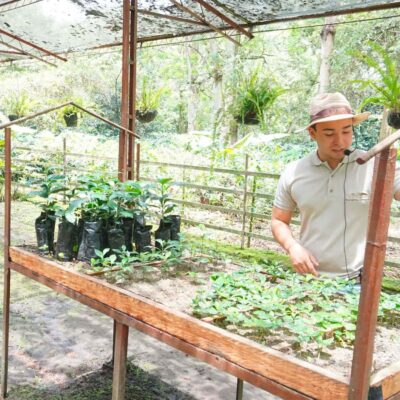 ★ 4.5From Bogotá: Coffee Farm and Tequendama Falls TourFrom $85130 reviews
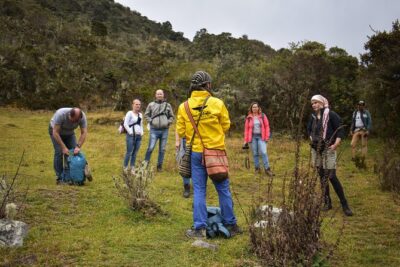 ★ 5.0Sumapaz Páramo Private Hike TourFrom $12152 reviews
 ★ 4.9From Bogota: La Chorrera Waterfall Guided HikeFrom $9746 reviews
 ★ 4.7From Bogotá: Chingaza National Park Eco TourFrom $15828 reviews
 ★ 4.7FROM BOGOTA: Tour to La Chorrera, Colombia’s highest waterfall.From $13521 reviews
 ★ 4.9Visit Colombia’s Highest Waterfalls & Guadalupe HillFrom $10320 reviews
 ★ 4.9Sumapaz National Park Hike TourFrom $13613 reviews
 ★ 5.0Tequendama Falls and Coffee Hacienda Day Trip from BogotáFrom $15012 reviews
Browse the lists this tour appears in