
Reviewed · LA CANDELARIA OLD TOWN WALKS
Bogota Walking Tour Teusaquillo, a different part of the city
Bogotá has a politics-and-beer side. This walking tour through Teusaquillo ties together museums, architecture, street art, and the social forces that shaped the city. I like that it doesn’t just point at sights; it explains why they matter.
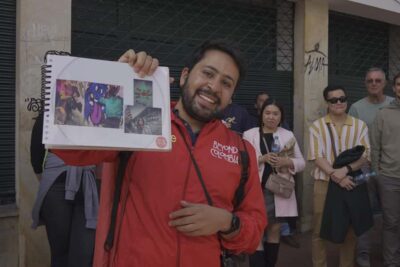
I especially like the coffee tasting and craft beer included along the way, because it turns breaks into part of the story, not just downtime. The other big win is the focus on political and sociocultural context, guided by Condor Tours guide Daniel, who brings the neighborhood to life with clear, connected explanations.
One consideration: it’s a walking tour with no lunch included, so plan comfortable shoes and think about a meal before or after the 2 hours 30 minutes.
In This Review
- Key highlights you’ll feel on this walk
- Teusaquillo: a quieter Bogotá with sharper edges
- Starting at Museo Nacional and why the first stop sets the tone
- The museum stop: art, architecture, and political memory
- Cavas and Falcas: how the beer industry maps Bogotá’s growth
- A house tied to a turning point in Colombia’s political conflict
- Street art gallery: modern voice in a historic city
- ParkWay zone: 50s architecture, cafés, and a meeting point for creative life
- Coffee tasting and craft beer: the included breaks that matter
- Price and why $28 feels fair for this specific mix
- Who this walking tour fits best
- Should you book the Bogotá Teusaquillo walking tour?
- FAQ
- How long is the Bogotá Walking Tour Teusaquillo?
- How much does the tour cost?
- Where does the tour start and end?
- What’s included in the tour price?
- Is lunch included?
- Can I cancel for a full refund?
Key highlights you’ll feel on this walk
- Teusaquillo beyond the postcard circuit: a neighborhood that feels like you’ve slipped into another side of Bogotá.
- A national-history museum stop: independence to the present, plus art and architecture tied to Colombian politics.
- Cavas and Falcas beer-company buildings: industrial growth and city expansion, shown through real structures.
- Architecture + political turning points: a house tied to a key figure in Colombia’s conflict story.
- Street art gallery time: major Colombian artists, not just random murals.
- ParkWay at the end: a 50s-era architectural vibe where art, food, cafés, and independent projects overlap.
Still in the old town? A few more La Candelaria walks locals send visitors on

Teusaquillo: a quieter Bogotá with sharper edges
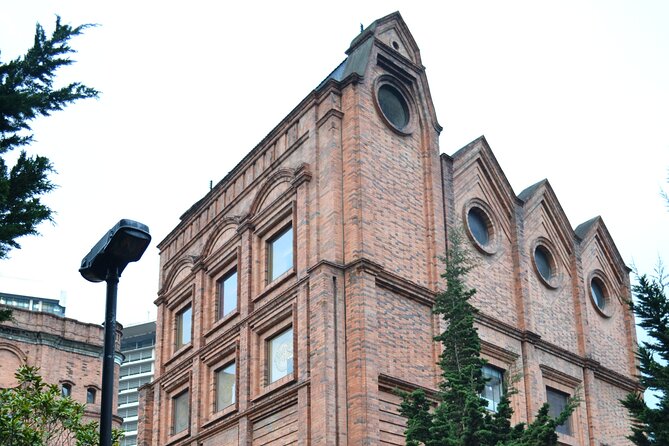
Teusaquillo is one of those Bogotá neighborhoods that gives you a different rhythm than the classic rush-and-route feel. On this tour, you’re walking through a slice of the city where you can read the past on the streets: buildings, design choices, and the way neighborhoods grew as Colombia modernized.
I like how the route stitches together big themes—independence, industrialization, political conflict, and modern culture—without treating any of them like an academic lecture. The balance is practical: you’ll see places you can point to later, and you’ll understand the “why” behind them.
And because the tour maxes at 20 people, you’re less likely to get swallowed by the group. That matters when the guide is doing more than reading a script and actually connecting dots for you.
Starting at Museo Nacional and why the first stop sets the tone
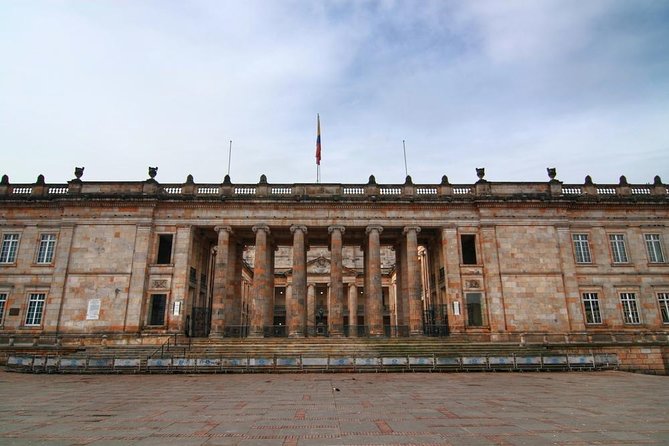
Your walk begins at Museo Nacional Santa Fe, in Bogotá. This first museum stop isn’t just about looking at famous works—it’s framed around the country’s story from independence through the most recent times.
The museum is described as holding the history of Colombia’s independence era to today, with major art and a building whose architecture and walls also carry political weight. That’s a big deal because you start the tour with context, then you move outward into the neighborhood so the later stops make more sense.
A practical tip: museums can be visually dense, so give yourself permission to focus on a few anchors—think themes like political change and national identity—rather than trying to memorize everything. The guide’s job here is to help you pick those anchors, and that’s where Daniel’s reputation really fits this tour style.
The museum stop: art, architecture, and political memory
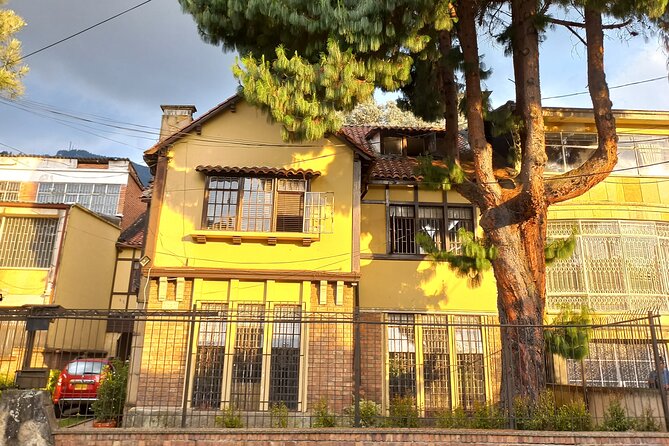
This is the part of the tour where you’ll likely notice the difference between seeing art and understanding it. You’re being guided through the museum’s arc of Colombian history, with special attention to major works and to how the building itself reflects political history.
Why this works: political conflict and national change aren’t abstract when you can point to physical space. The museum stop gives you a set of references you can carry to the later streets, where similar forces show up in architecture and public expression.
What to watch for: if you’re not in the mood for museums, this is the place where the tour could feel like a lot. Still, the payoff is that the rest of the walk becomes less random. You’re not just “walking around”—you’re following a story.
Cavas and Falcas: how the beer industry maps Bogotá’s growth
After the museum, you head to buildings known as Cavas and Falcas, once part of the country’s first beer company. This stop turns industrialization into something you can stand next to, which is far more memorable than a chart.
You’ll learn how the beer industry connected to the broader industrial expansion of Colombia and how that growth influenced city expansion into modern urban areas. The neat trick here is that a brewery isn’t just a brewery—it’s a marker of work, trade, and the kind of investment that changes neighborhoods over time.
From a visitor perspective, this is one of those “aha” moments: you’ll start spotting the city differently. Even if you’re not into industrial history, you’ll come away thinking about how businesses reshape skylines and street patterns.
A consideration: this stop is best if you like explanations tied to the physical place. If you prefer purely visual sightseeing, you might want to keep your expectations flexible and stay engaged with the guide’s narrative.
More Bogotá city tours we point first-timers toward
- Bogotá: Private City Tour, Monserrate, Emerald and Botero★ 4.9 · 798 reviews
- Bogotá City Tour with Monserrate, Gold and Botero Museums★ 4.9 · 584 reviews
- 3-in-1 Panoramic city tour Bogotá-beyond the traditional★ 4.4 · 248 reviews
- Bogotá: City Tour, Monserrate, Gold Museum, Plaza de Bolivar★ 4.7 · 168 reviews
A house tied to a turning point in Colombia’s political conflict
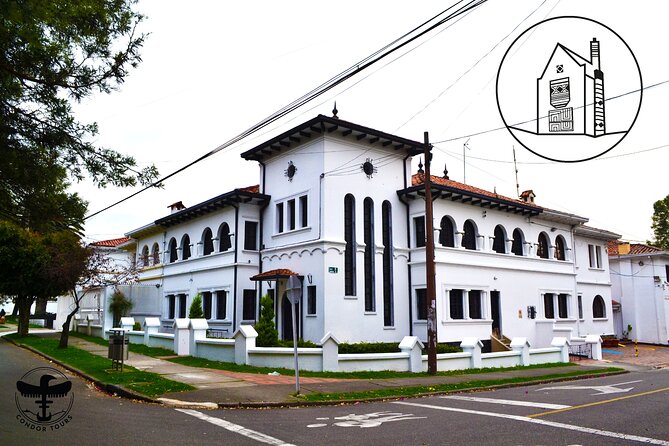
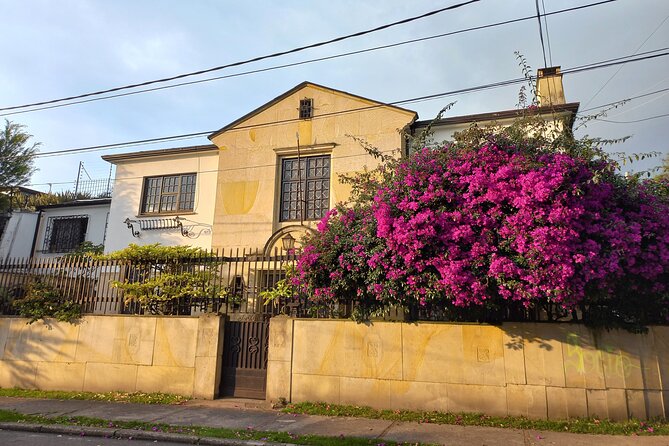
Next comes the house of a character who changed the history of Colombia and marked the beginning of the political conflict in the country. The tour frames it as both historically meaningful and surrounded with some of the nicer architecture in the city.
This is where the walk shifts into more human-scale history. Rather than only covering events and eras, you’re shown a place linked to a key figure, which helps political conflict feel less like a headline and more like a sequence tied to specific people and spaces.
Why the architecture detail matters: you’re learning the “story” of the neighborhood through design choices and building context. The city’s political identity isn’t only in government buildings—it leaks into residential space, street layout, and how communities expressed themselves.
If you’re a history fan, you’ll probably enjoy this stop a lot. If you’re not, still treat it as a chance to understand why some streets and houses feel more significant than others.
Street art gallery: modern voice in a historic city
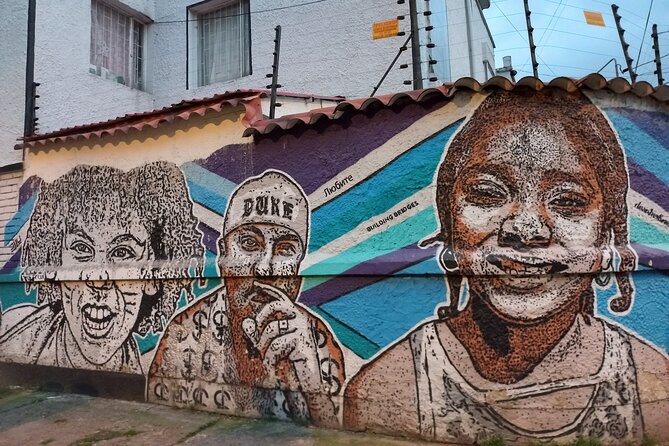
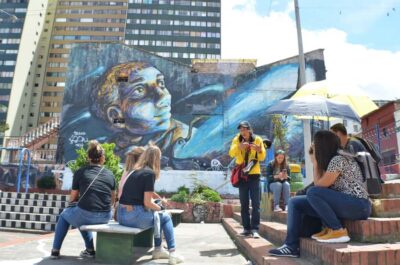
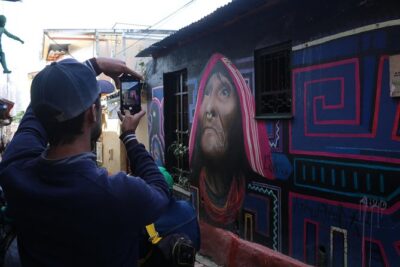
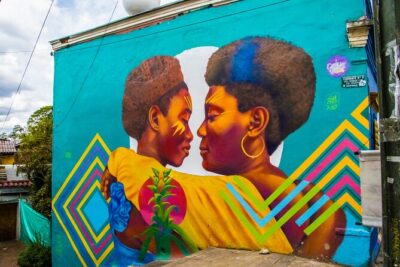
Then the tour moves into a street art gallery area, featuring some of the greatest artists of Colombia. This isn’t described as a random mural walk. It’s positioned as a focused stop where you can see standout work by major artists.
To me, this is the cultural counterweight to the museum and political stops. After learning about independence, conflict, and industrial change, street art gives you the present-tense version of expression—how artists respond, comment, and claim public space.
Practical mindset: street art is often best when you slow down for a few minutes and let the meanings settle. The guide’s job here is to point out what you might miss at a quick glance, especially if you’re not already deep into Colombian contemporary art.
ParkWay zone: 50s architecture, cafés, and a meeting point for creative life
The final stop is one of Bogotá’s iconic meeting points, and the tour ends in the ParkWay area (Cl. 39a). Here, you’ll find art, restaurants, cafés, and independent projects—plus architecture from the Bogota of the 50s and a bohemian spirit.
This is a strong way to end a walking tour because it gives you momentum instead of a hard stop. You’re not just finished—you’re dropped into a zone where you can extend the evening based on what you feel like eating or exploring next.
I also like the “meeting point” angle. A place where creators, cafés, and food overlap tends to be easier to enjoy right away, even if it’s your first time in Bogotá. It’s a good landing spot when you want something social and low-stress after history-heavy content.
Coffee tasting and craft beer: the included breaks that matter
Your tour includes coffee tasting and alcoholic beverages in the form of craft beer. These stops aren’t filler. They’re built into the experience so you get a reset from walking and also a taste of Bogotá’s everyday culture.
Why it’s good value: you’re already paying for a guided route and a sequence of stops, and the tastings turn that price into something you can actually feel in your day. Plus, shared tastings make it easier to chat with your guide and other group members without forcing long conversations.
A quick heads-up: since alcoholic beverages are included, you’ll want to pace yourself. If you’re sensitive to alcohol or prefer to stay completely sober, you can still enjoy the tour for the tastings, but it’s smart to plan accordingly.
Price and why $28 feels fair for this specific mix
At $28 per person, this tour sits in a price zone that often decides whether a walking tour is worth it or just another ticket for sightseeing. The key is what’s included and how the route is structured.
You’re getting a guide from Condor Tours, multiple historically and culturally themed stops, coffee tasting, and craft beer. You’re also getting a museum entry experience as part of the guided flow, plus street art time and an ending in a food-and-art area where you can keep going on your own.
The duration—about 2 hours 30 minutes—is long enough to feel like a real neighborhood experience, but not so long that you’ll burn your whole day. And the group limit of up to 20 travelers helps keep the tour personal enough for questions.
Would I do it if you’re not into history, art, or urban stories? Maybe not. But if you like understanding how cities work—politics, industry, architecture, and culture—this price looks like a good deal for Bogotá.
Who this walking tour fits best
This is a great match if you want Bogotá’s Teusaquillo side: the history-and-culture overlap, not the one-note highlights. It also works well for people who like guides who explain context clearly and keep things entertaining, which Daniel is known for in the feedback.
You’ll especially enjoy it if you:
- like walking routes with story connections between stops
- want political and sociocultural context, not just dates and facts
- enjoy street art and contemporary expression after museum time
- want a food-and-drink moment built into the pacing
It may feel less satisfying if you only want short photo stops or if museums aren’t your thing. In that case, you can still have a good day, but treat the tour as a guided story first, sightseeing second.
Should you book the Bogotá Teusaquillo walking tour?
If you want a Bogotá walking tour that explains the city, not just shows it, I’d book this one. The mix of a national history museum, the Cavas and Falcas beer-industry buildings, a politically significant house, street art, and a cool ending in ParkWay makes the neighborhood feel understandable fast.
Book it sooner rather than later. It’s commonly reserved about 18 days in advance, which suggests it’s popular enough that you shouldn’t wait until the last minute. Also, wear walking shoes and plan to eat after, since lunch isn’t included.
If that sounds like your kind of Bogotá day, this tour is a smart use of a couple of hours.
FAQ
How long is the Bogotá Walking Tour Teusaquillo?
It runs for about 2 hours 30 minutes.
How much does the tour cost?
The price is $28.00 per person.
Where does the tour start and end?
It starts at Museo Nacional Santa Fe, Bogotá, Colombia, and ends in the ParkWay area on Cl. 39a, Bogotá, Colombia.
What’s included in the tour price?
Included items are a Condor Tours guide, coffee tasting, and alcoholic beverages craft beer.
Is lunch included?
No, lunch is not included.
Can I cancel for a full refund?
Yes. You can cancel up to 24 hours in advance for a full refund. If you cancel less than 24 hours before the start time, the amount paid is not refunded.
More Tours in Bogota
- Bogota: Bicycle City Tour
★ 4.9 · 2,156 reviews - Zipaquirá: Salt Cathedral Group Tour with Pickup
★ 4.8 · 1,606 reviews - Bogotá: Guided La Candelaria Walking Tour
★ 4.8 · 1,229 reviews - Bogotá: Private City Tour, Monserrate, Emerald and Botero
★ 4.9 · 798 reviews - Bogotá´s Barrios: El Paraíso Favela Tour with Cable Car
★ 4.8 · 731 reviews - Bogota: Guatavita and Salt Cathedral Daily Group Tour
★ 4.7 · 615 reviews
More Tour Reviews in Bogota
- Bogota: Bicycle City Tour
★ 4.9 · 2,156 reviews - Zipaquirá: Salt Cathedral Group Tour with Pickup
★ 4.8 · 1,606 reviews - Bogotá: Guided La Candelaria Walking Tour
★ 4.8 · 1,229 reviews - Bogotá: Private City Tour, Monserrate, Emerald and Botero
★ 4.9 · 798 reviews - Bogotá´s Barrios: El Paraíso Favela Tour with Cable Car
★ 4.8 · 731 reviews - Bogota: Guatavita and Salt Cathedral Daily Group Tour
★ 4.7 · 615 reviews
More La Candelaria Old Town Walks
- Bogotá: Guided La Candelaria Walking Tour
★ 4.8 · 1,229 reviews - Bogotá: La Candelaria Graffiti & Urban Art Guided Tour
★ 4.7 · 250 reviews - Shared Tour of Bogota’s Historic Downtown (La Candelaria)
★ 4.7 · 100 reviews - Graffiti Tour in La Candelaria Bogotá with Transportation
★ 5.0 · 68 reviews - VIP Bogota City Tour: Farmers Market, Monserrate, Candelaria, 9hr
★ 5.0 · 66 reviews - Food Tour in La Candelaria Bogotá
★ 5.0 · 63 reviews
Fresh off the review pile: more Bogotá tours to weigh up

La Candelaria Old Town Walks, compared.
 ★ 4.8Guided La Candelaria Walking TourFrom $161,229 reviews
 ★ 4.7La Candelaria Graffiti & Urban Art Guided TourFrom $16250 reviews
 ★ 4.7Shared Tour of Bogota’s Historic Downtown (La Candelaria)From $13100 reviews
 ★ 5.0Graffiti Tour in La Candelaria Bogotá with TransportationFrom $4368 reviews
 ★ 5.0VIP Bogota City Tour: Farmers Market, Monserrate, Candelaria, 9hrFrom $4966 reviews
 ★ 5.0Food Tour in La Candelaria BogotáFrom $6363 reviews
 ★ 5.0La Candelaria Walking Private Tour (3 Hrs.)From $8951 reviews
 ★ 5.0VIP Layover Bogota City Tour: Monserrate, Candelaria, Coffee, 6hrFrom $4445 reviews
Browse the lists this tour appears in